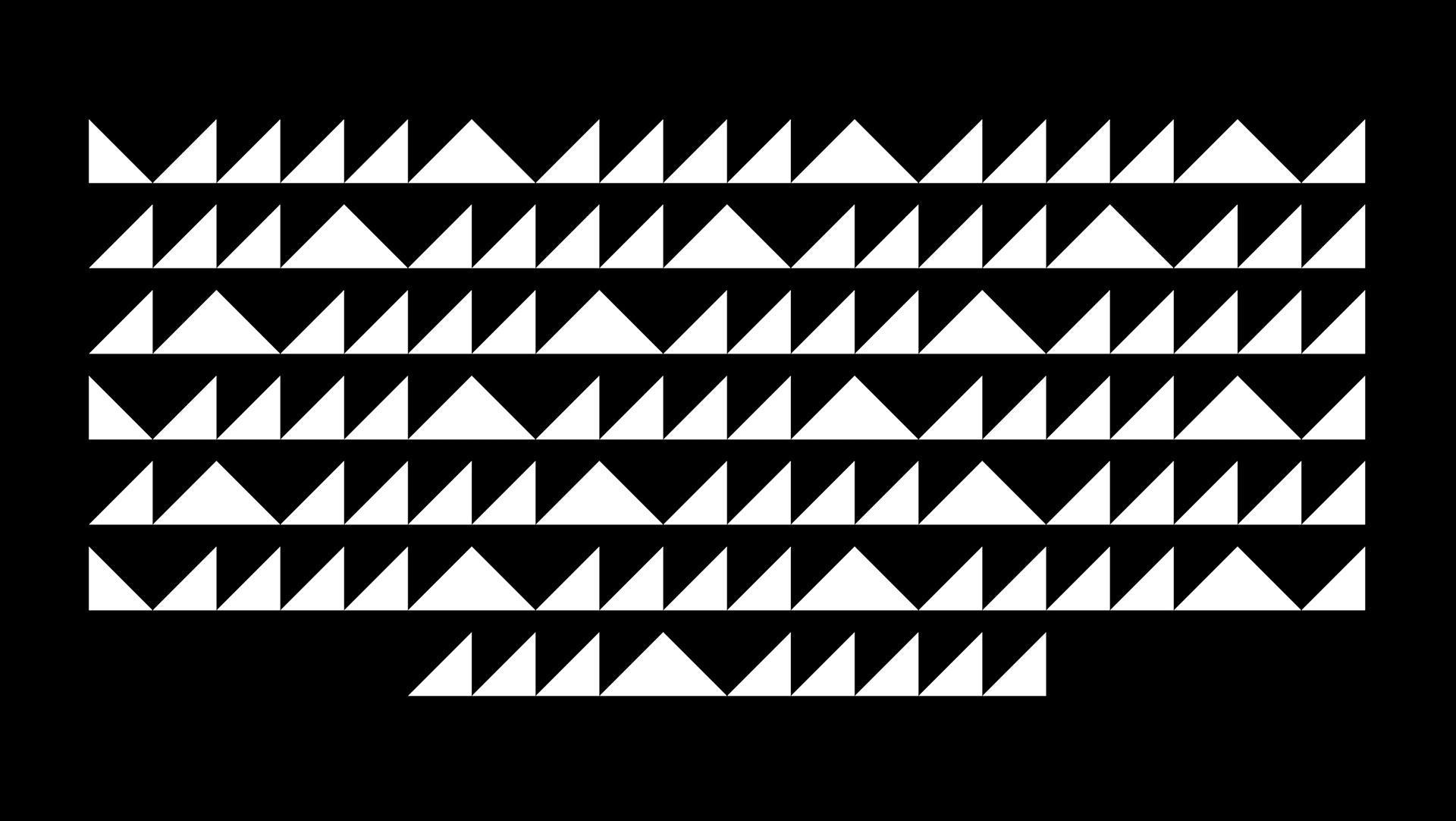
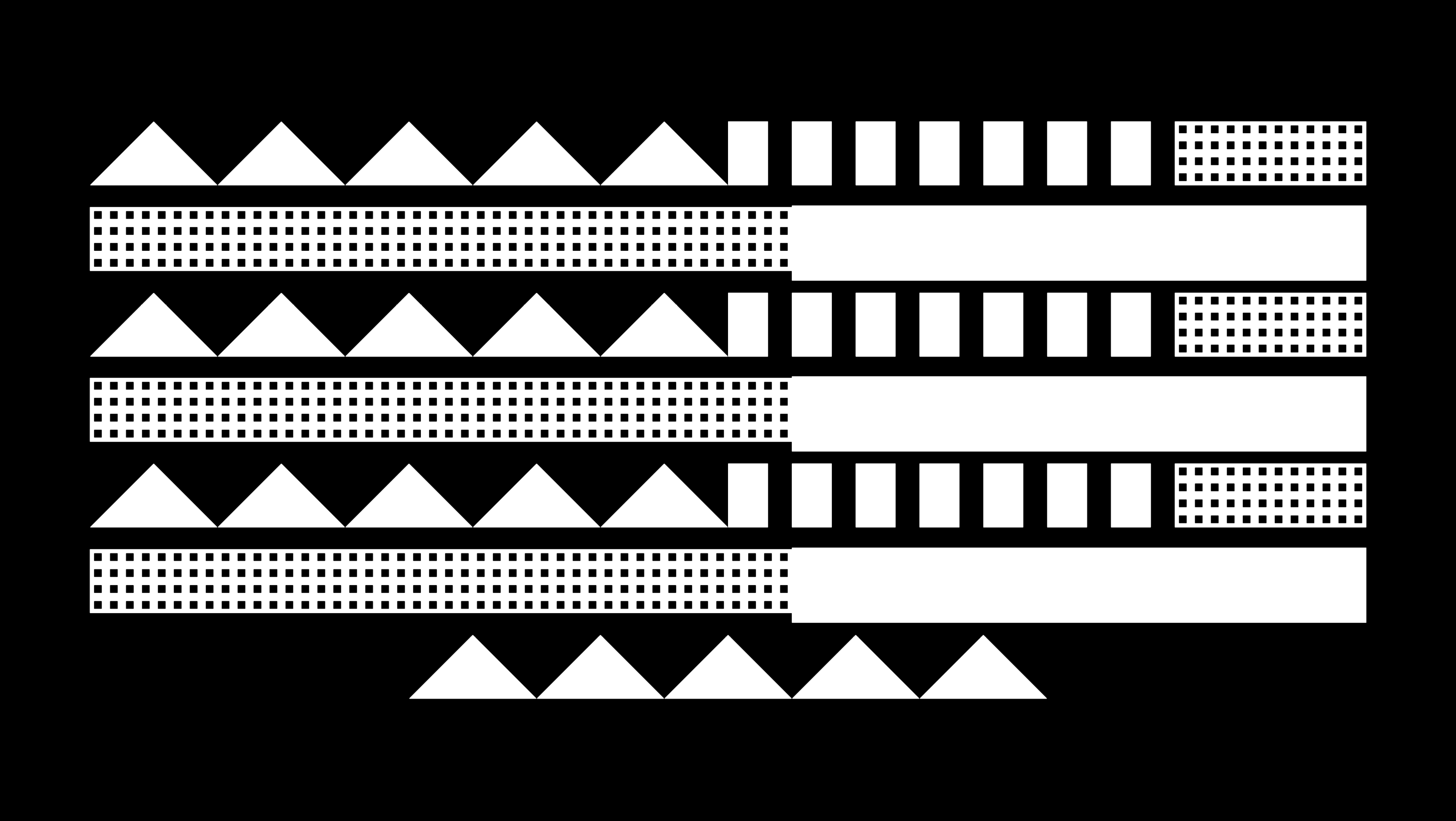
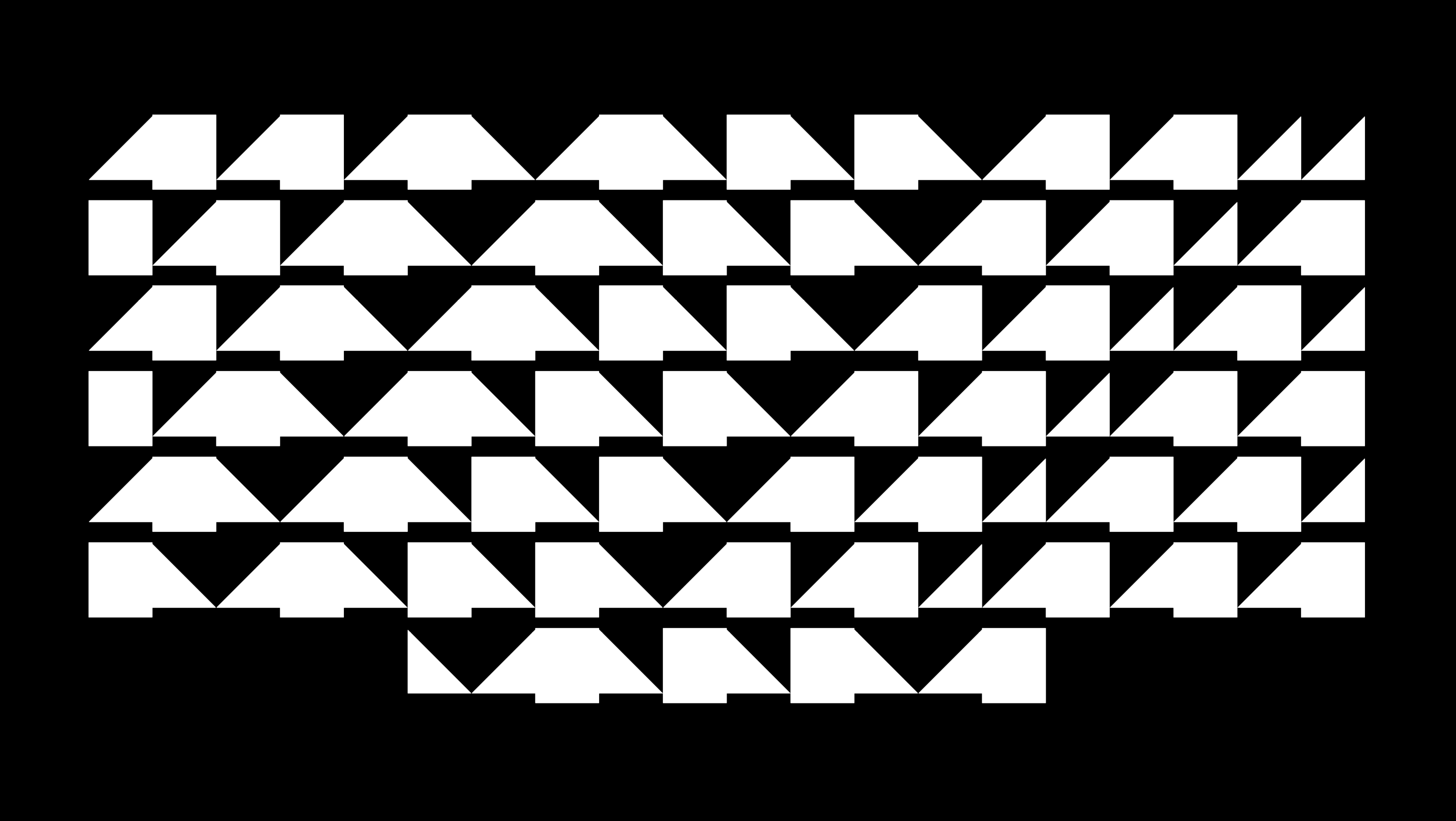
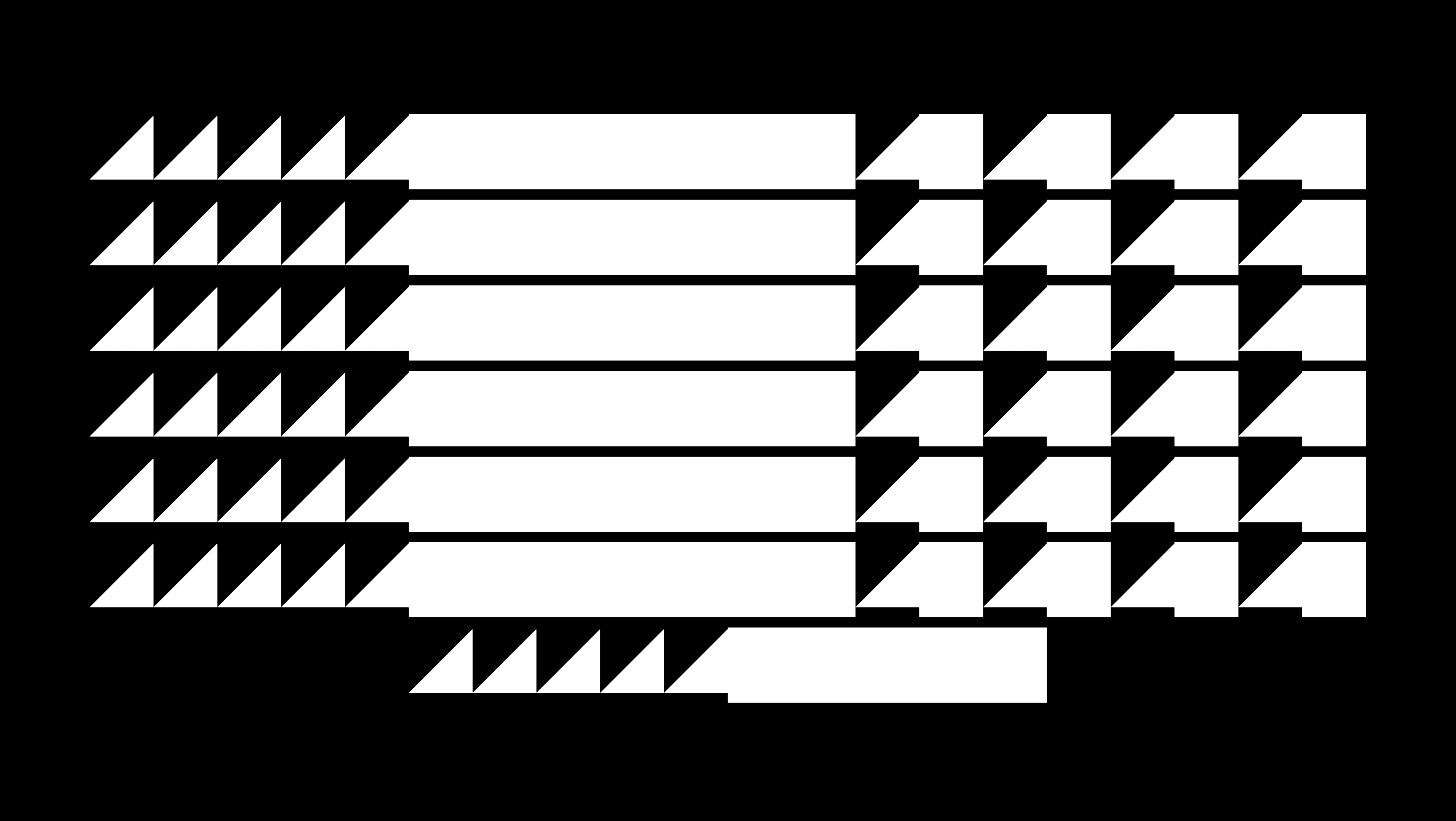
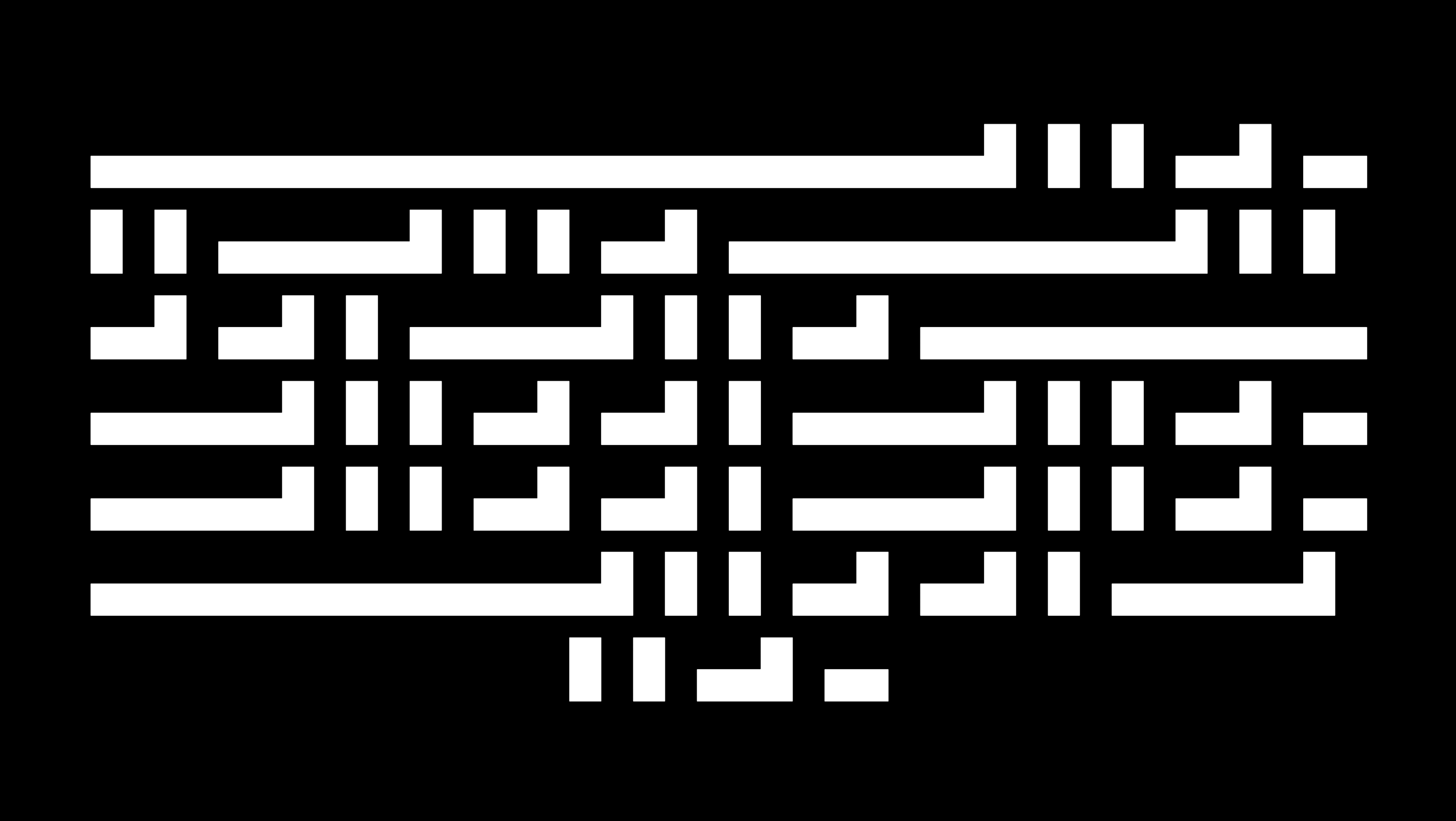
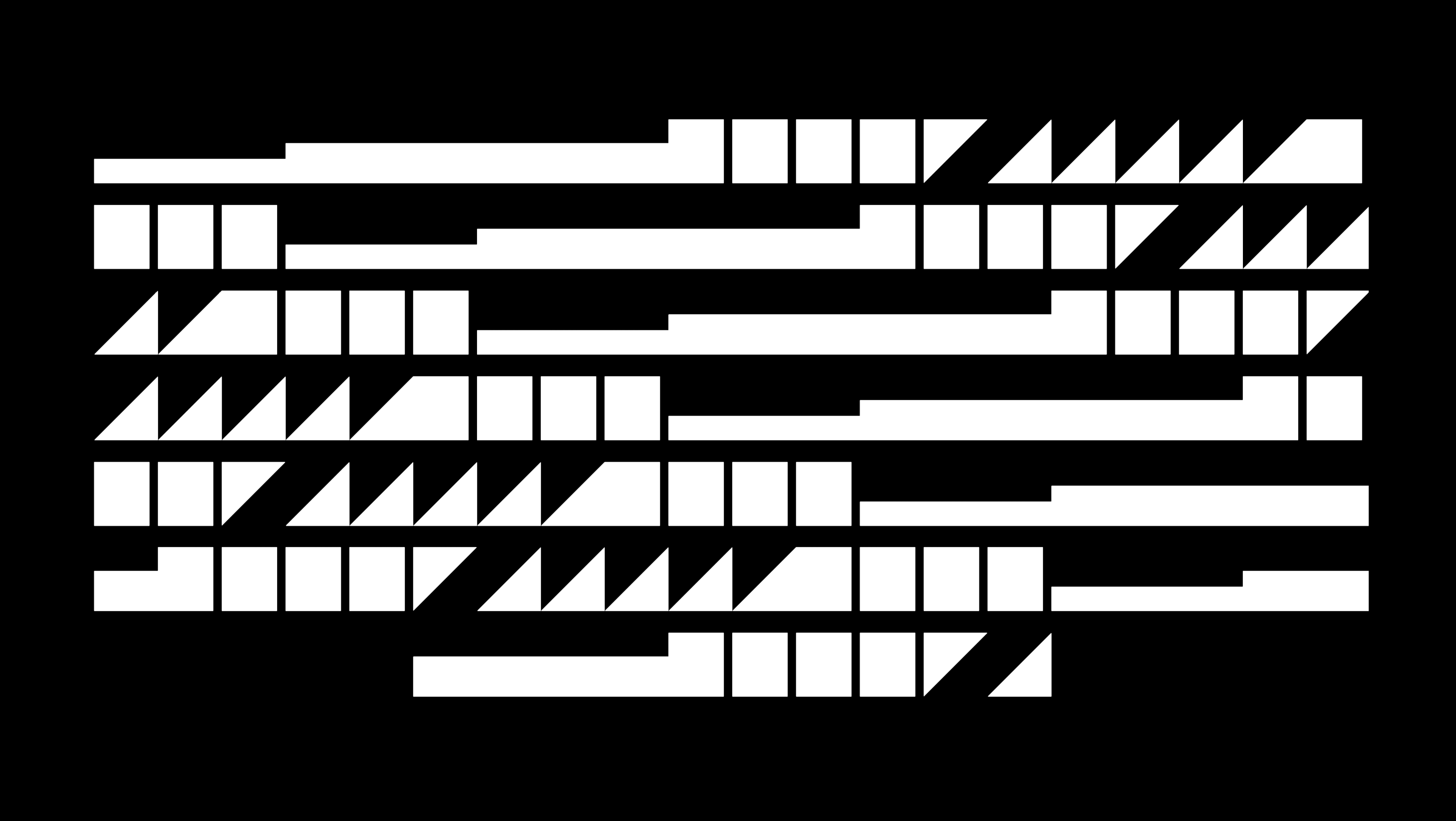
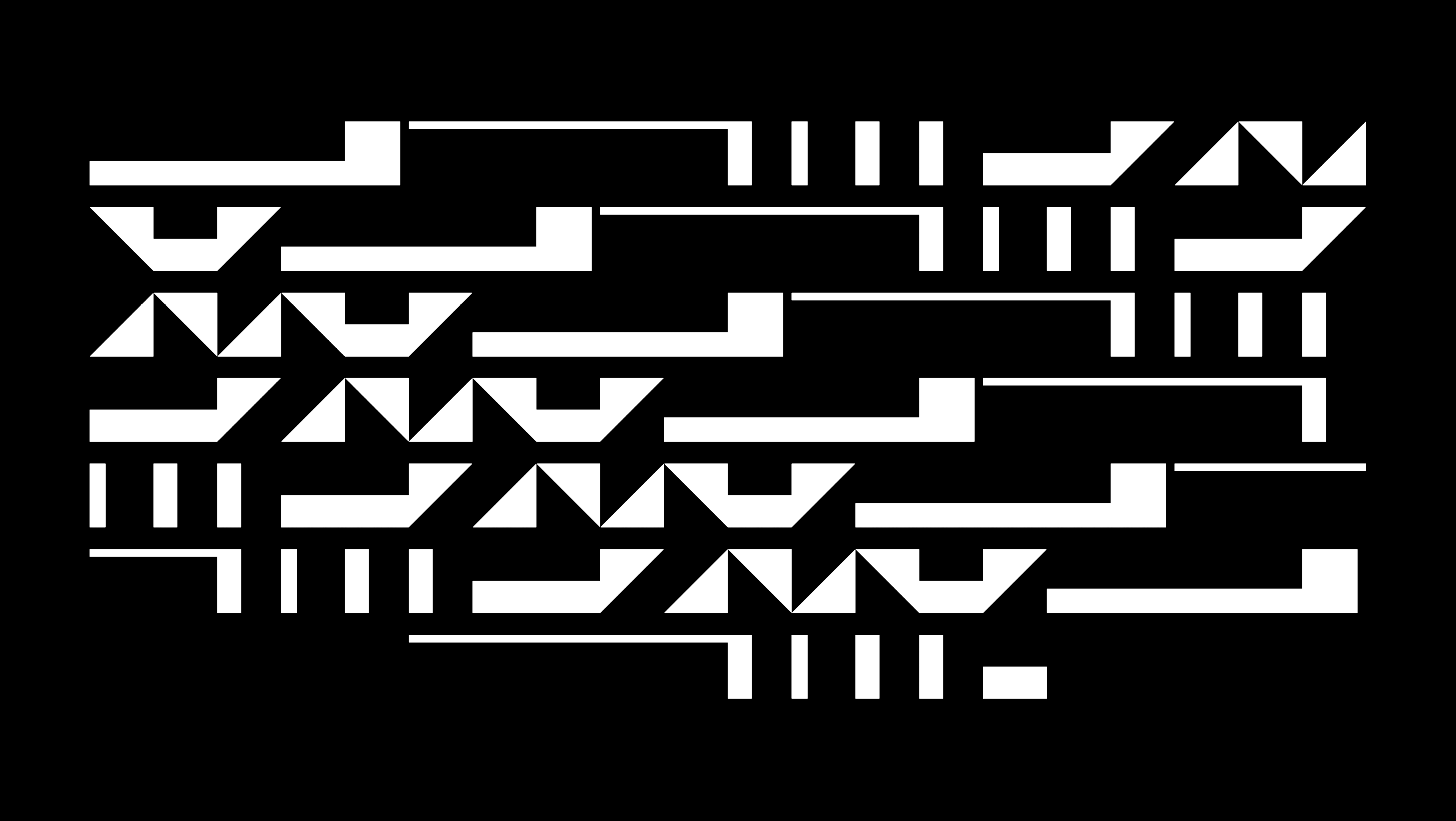
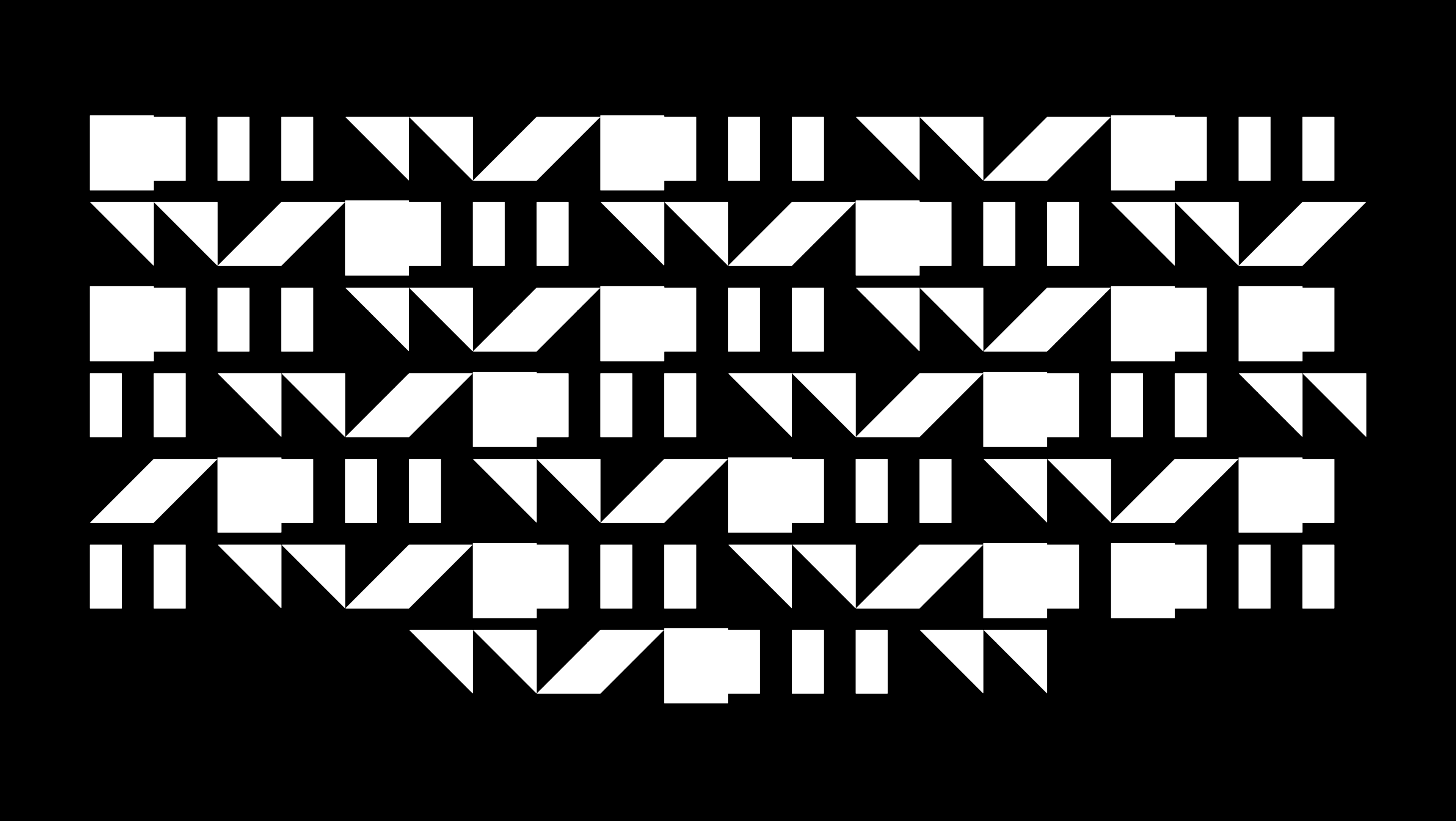
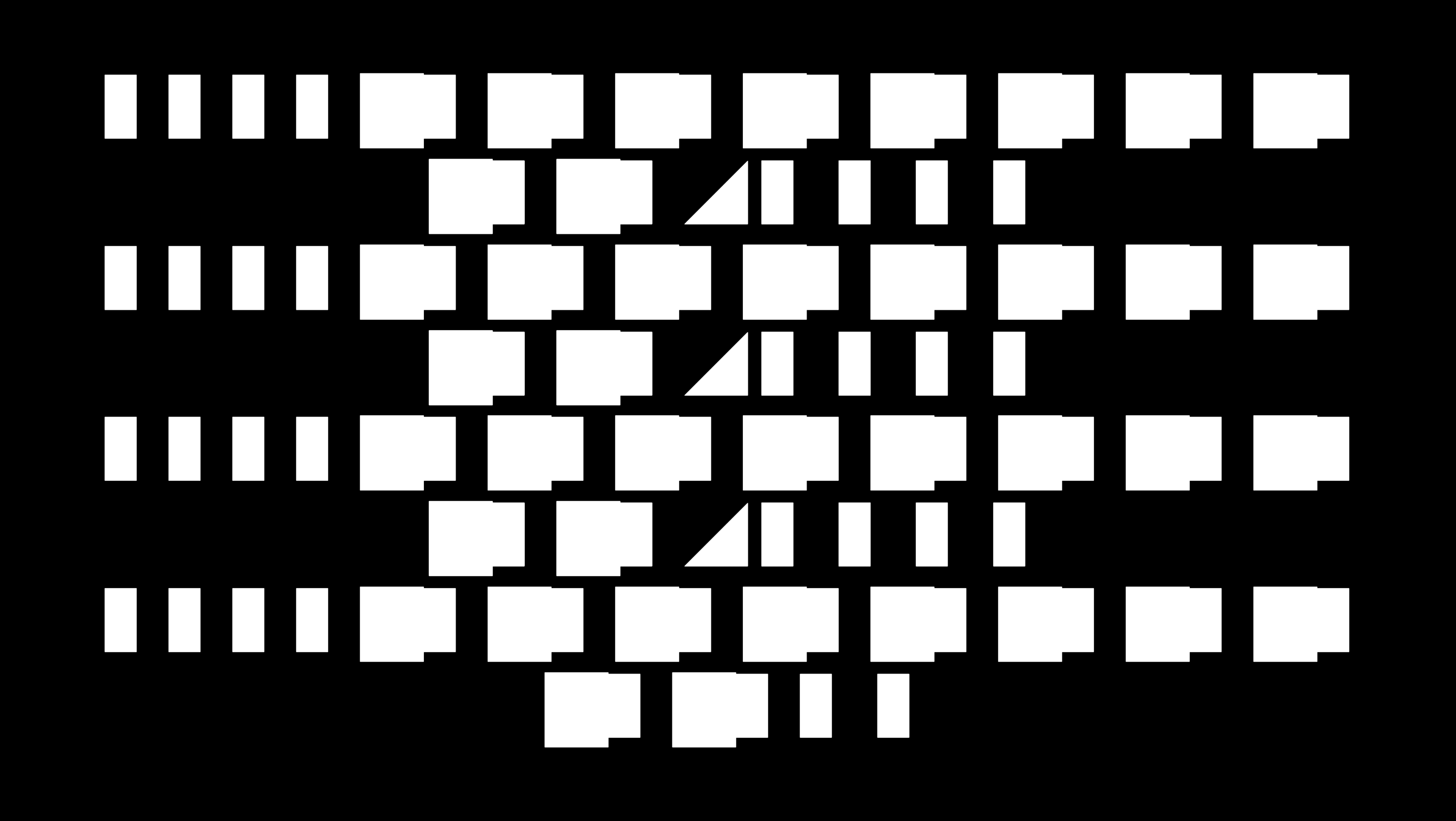
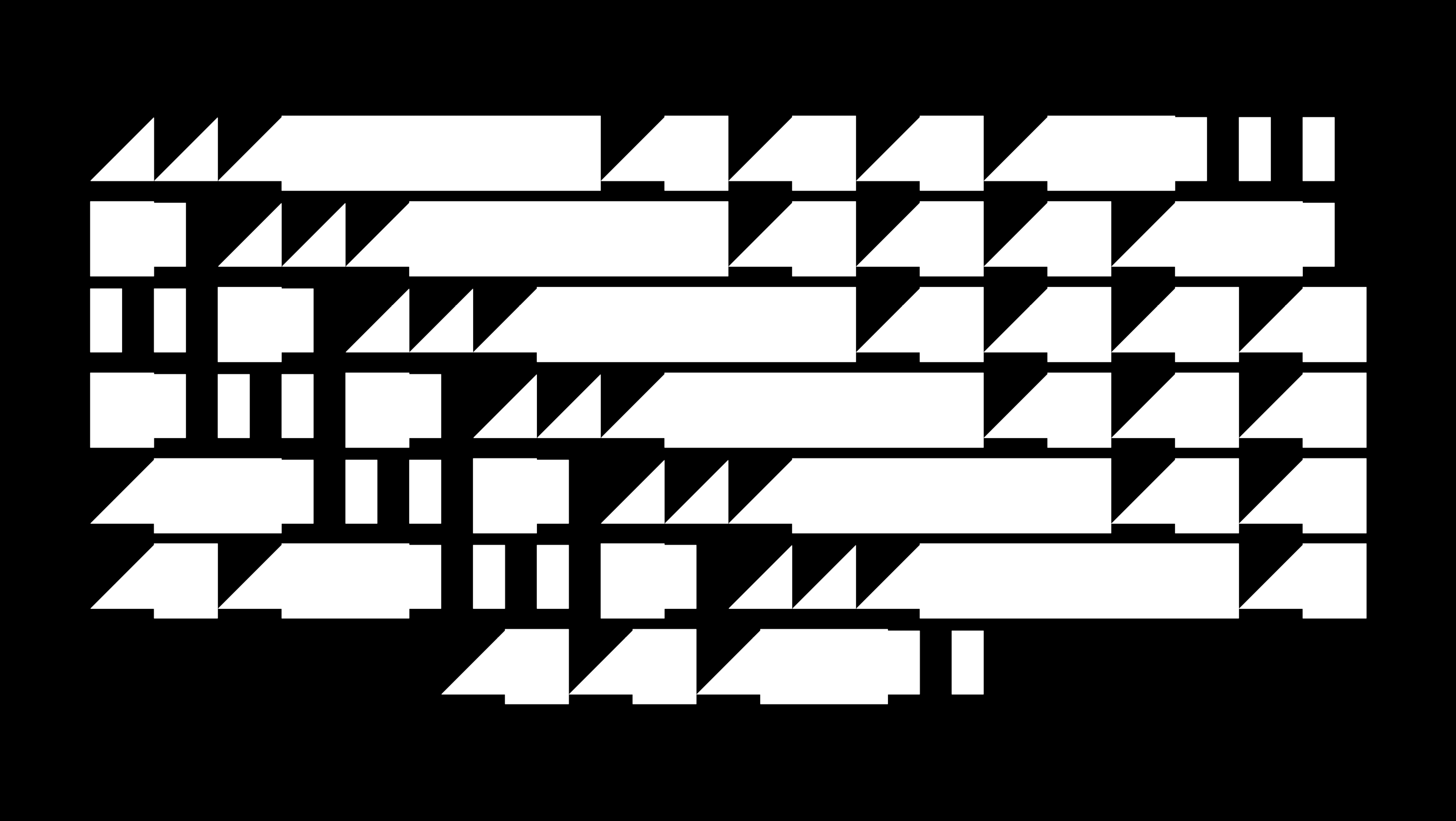
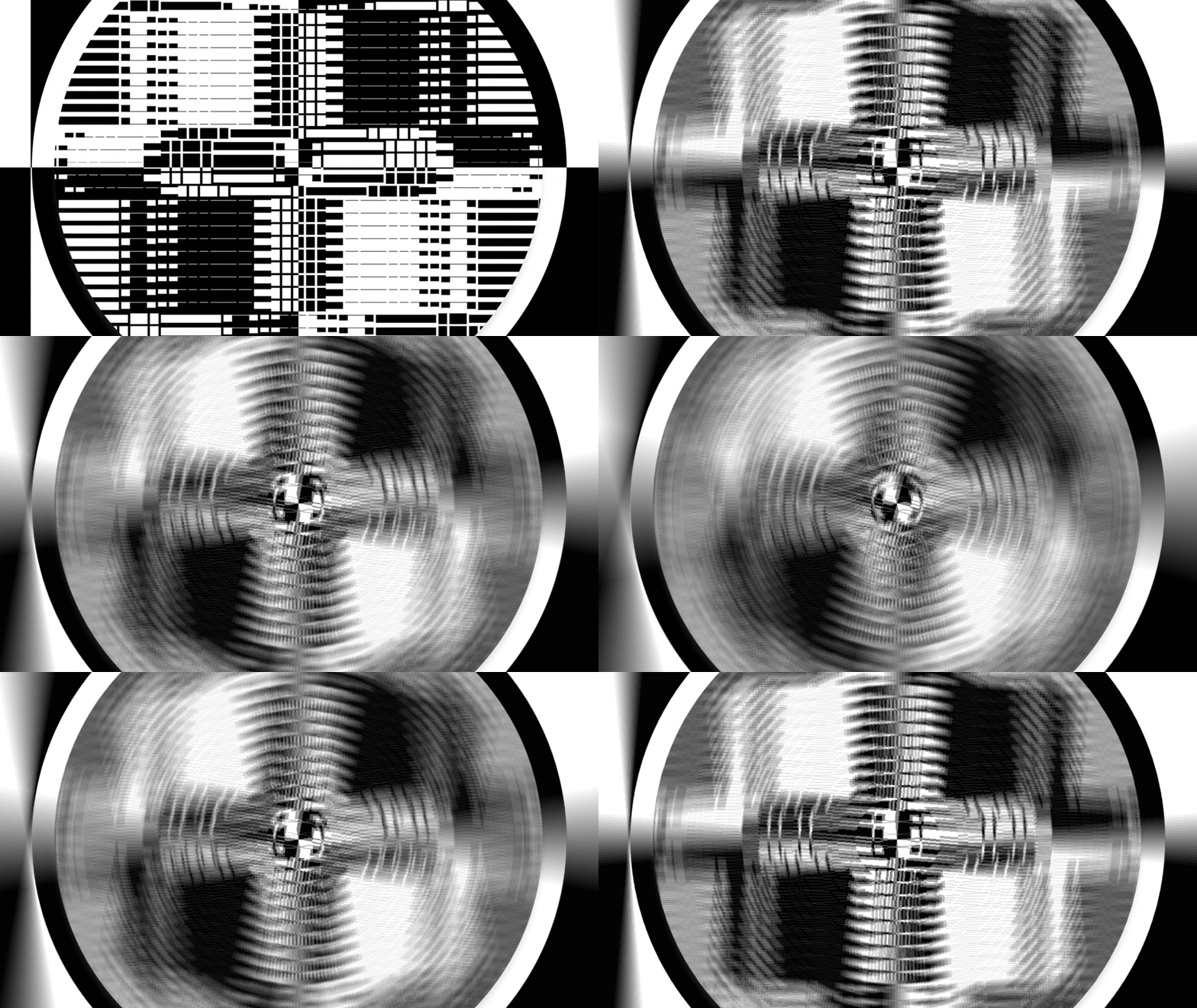
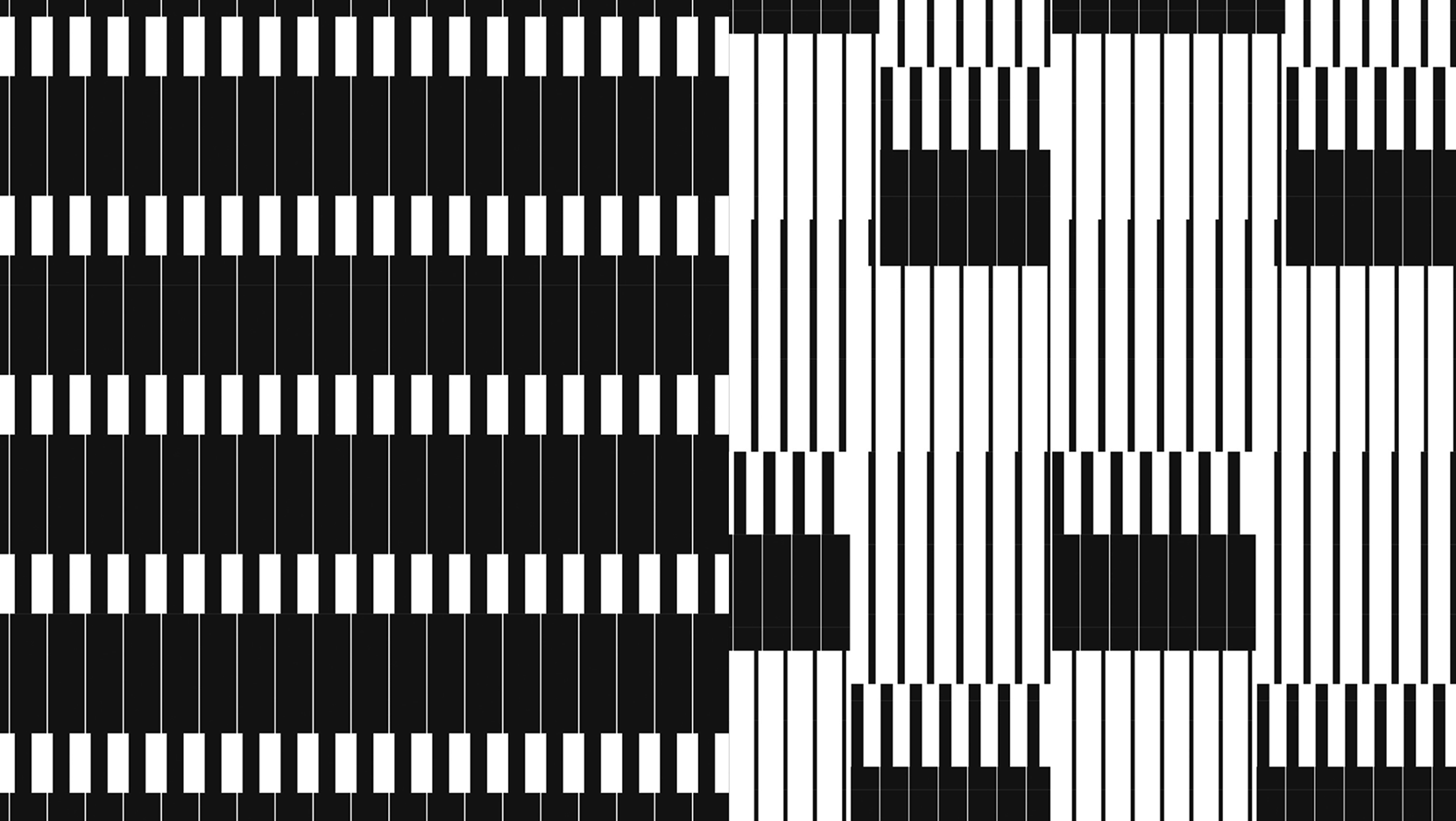
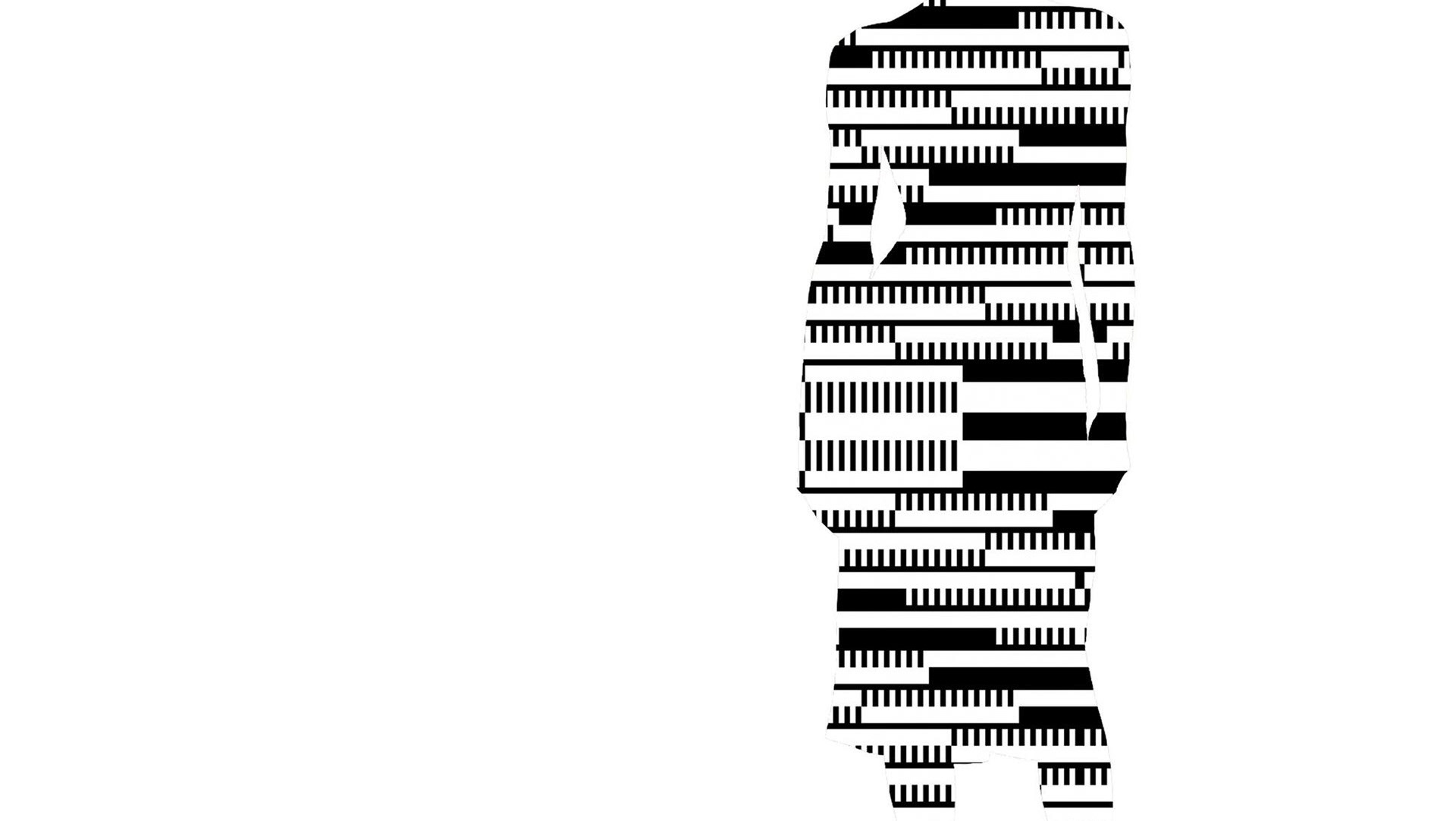
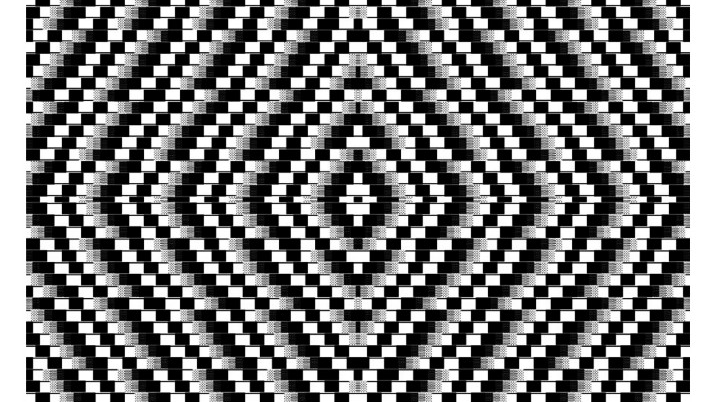
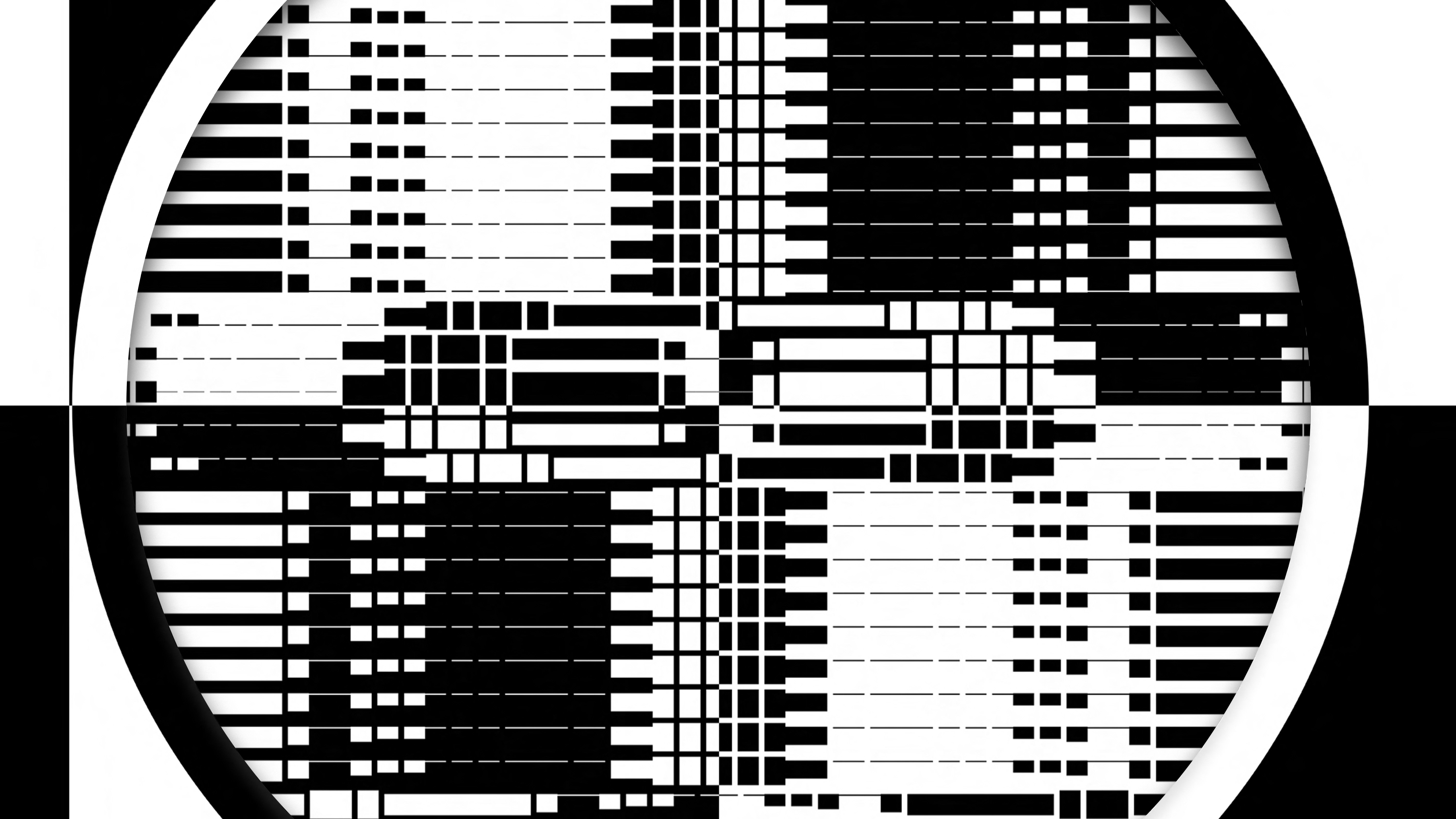
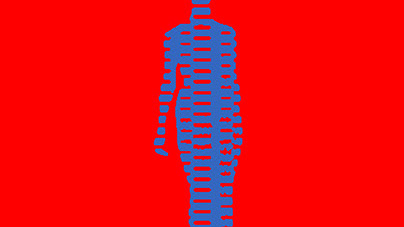
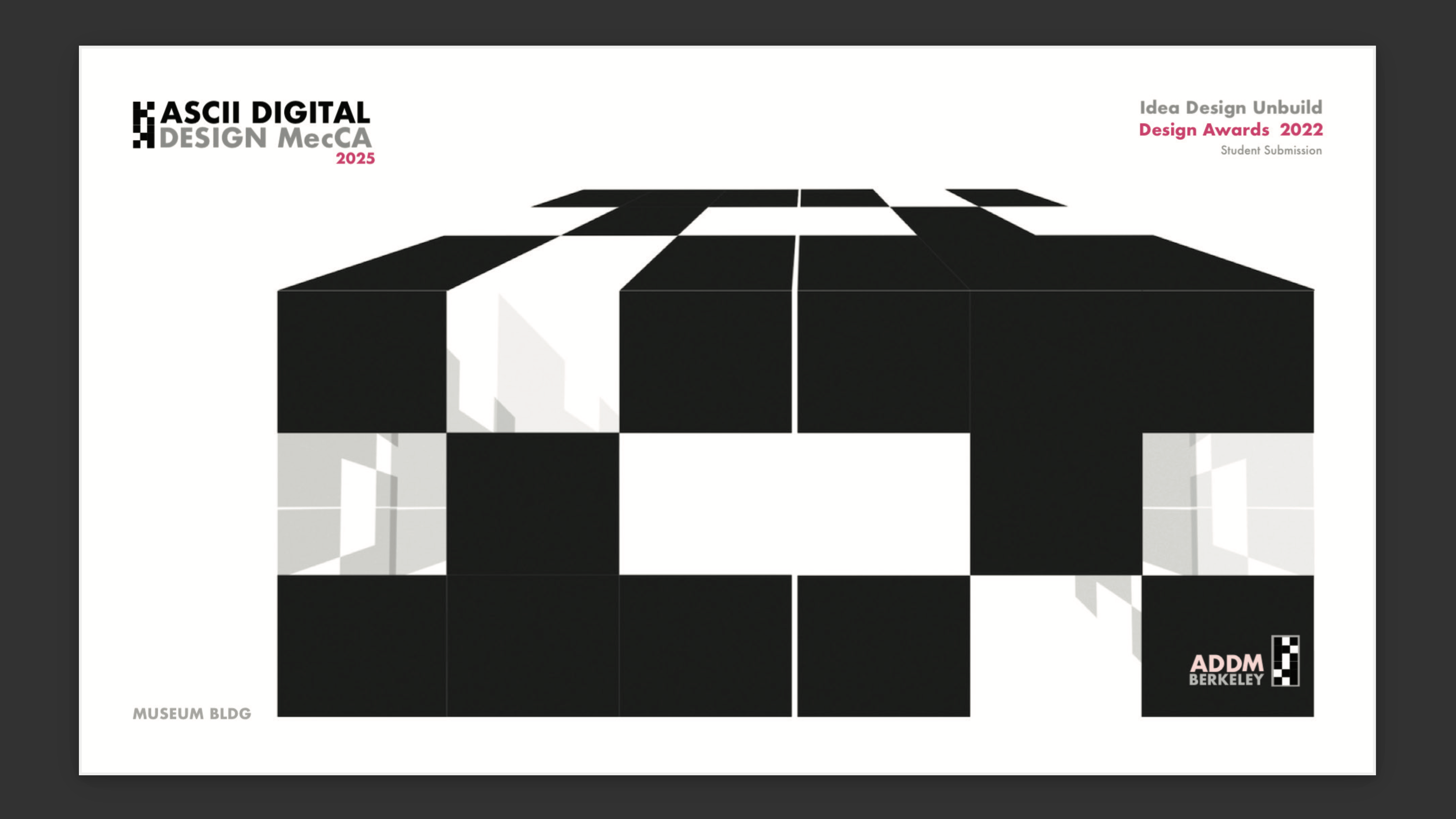
ASCII Glyph Architecture is a systems-based visual research series exploring how typographic glyphs and symbolic characters can function as architectural units. Constructed entirely from ASCII and Unicode characters, the works translate text into spatial logic—forming modular structures, rhythmic grids, and tectonic patterns that operate as visual architecture rather than language.
Developed within live digital text environments, each composition is built character by character, emphasizing repetition, alignment, density, and constraint. Rather than representing buildings or spaces, the series investigates architecture as a method: a rule-based system in which structure emerges through process, sequence, and limitation.
Situated at the intersection of graphic design, digital abstraction, and architectural thinking, ASCII Glyph Architecturetreats code as material and the screen as a site of construction. The works function simultaneously as visual artifacts and research diagrams, contributing to an ongoing inquiry into post-material design, symbolic computation, and text-based spatial systems.
Part of the ASCII Digital Design Museum, this series documents a sustained exploration of glyphs as structural elements—preserving an approach to digital making grounded in logic, constraint, and system-driven form.