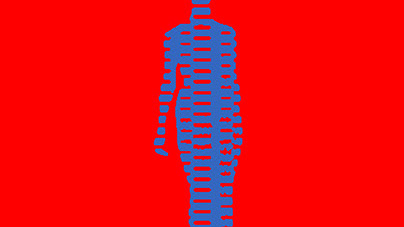
This exposition investigates how ASCII and Unicode character systems function as generative material for architectural and graphic pattern formation. By emphasizing structural consistency, variation, and scalability, the work frames text as a material system rather than linguistic content.
Research Catalogue exposition: https://www.researchcatalogue.net/view/4088106/4088107
Architectural Anchor
ASCII / Unicode Structural Model
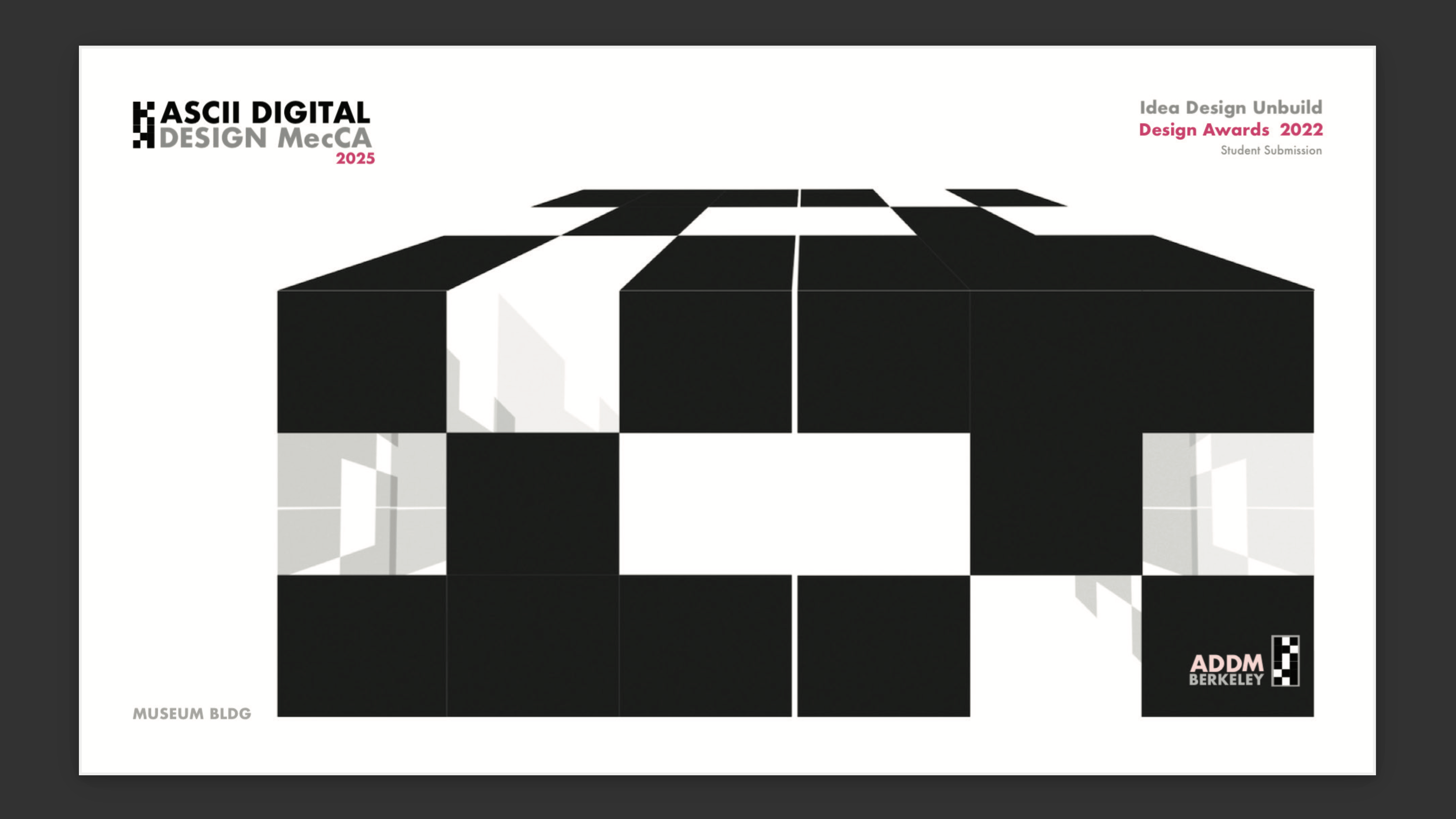
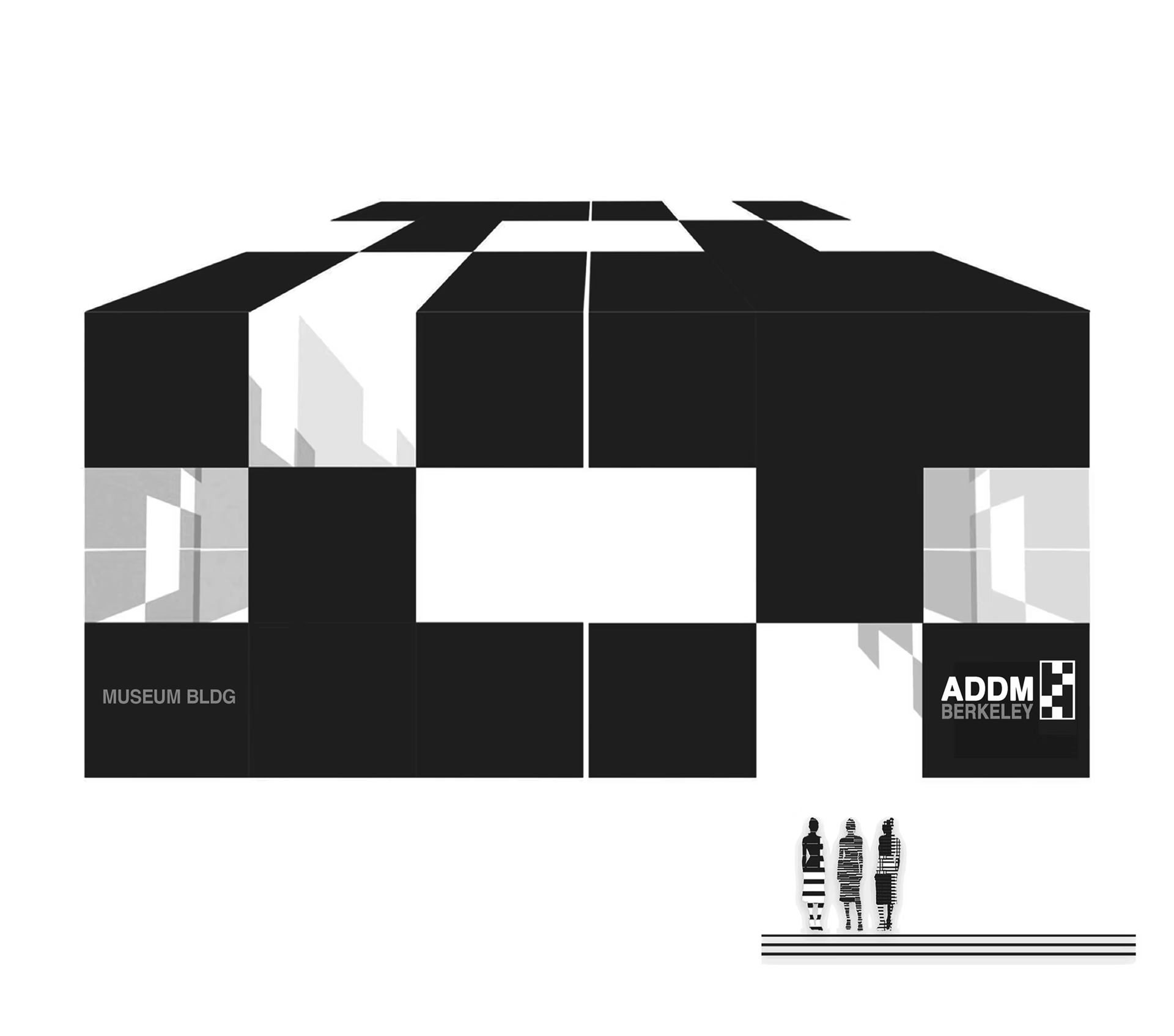
This image establishes the foundational architectural logic of the project, translating ASCII and Unicode characters into a modular spatial system. The composition functions as a structural anchor, demonstrating how rule-based text units operate as load-bearing elements within an abstracted architectural framework.
This image establishes the foundational architectural logic of the project, translating ASCII and Unicode characters into a modular spatial system. The composition functions as a structural anchor, demonstrating how rule-based text units operate as load-bearing elements within an abstracted architectural framework.
System Variation A
Rule-Based Configuration
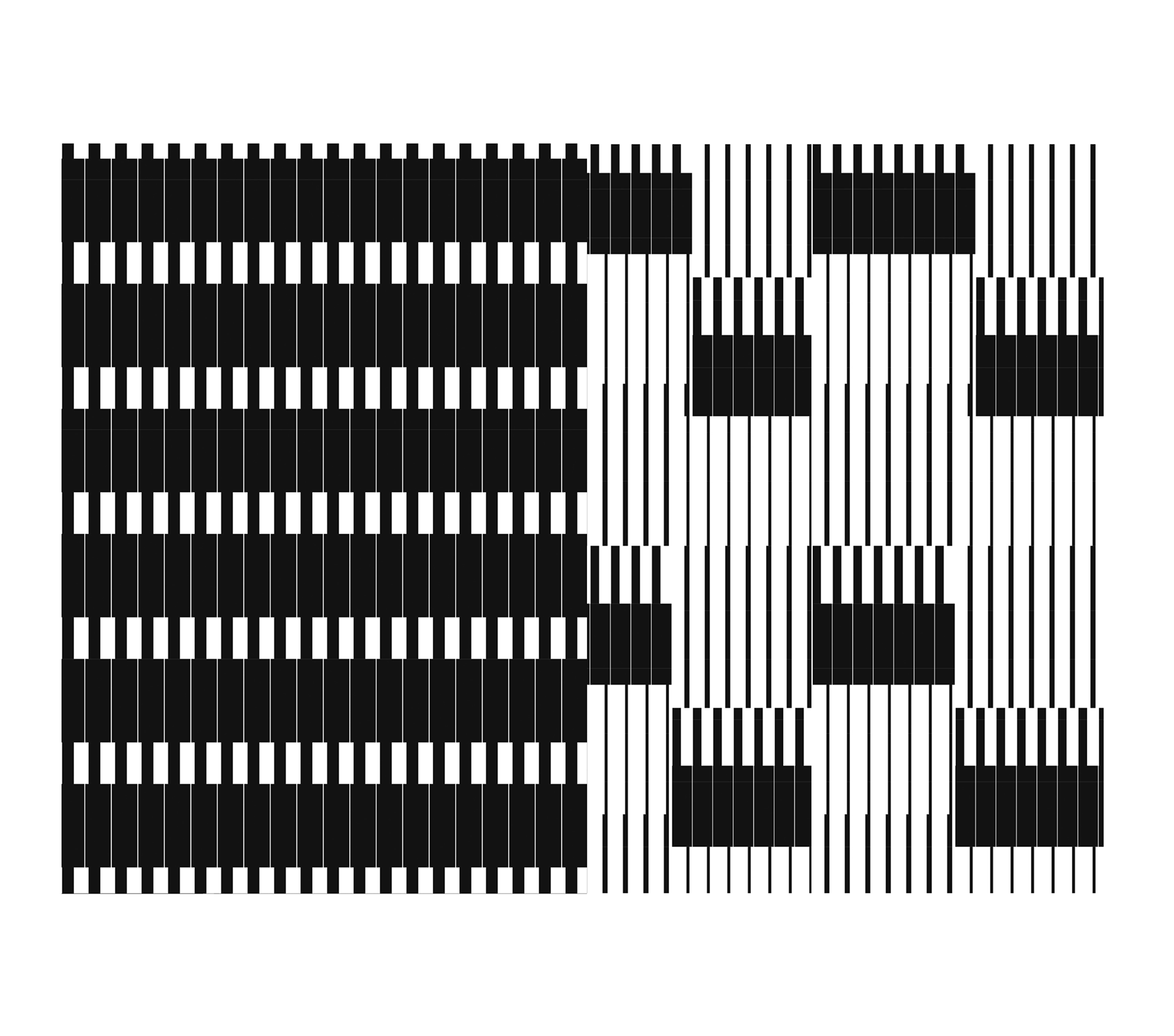
This variation presents a systematic reconfiguration of the underlying character grid, preserving structural logic while altering density and rhythm. The image demonstrates how consistent generative rules produce distinct spatial outcomes without changing the governing system.
This variation presents a systematic reconfiguration of the underlying character grid, preserving structural logic while altering density and rhythm. The image demonstrates how consistent generative rules produce distinct spatial outcomes without changing the governing system.
System Variation B
System Variation B — Alternating Structural Logic
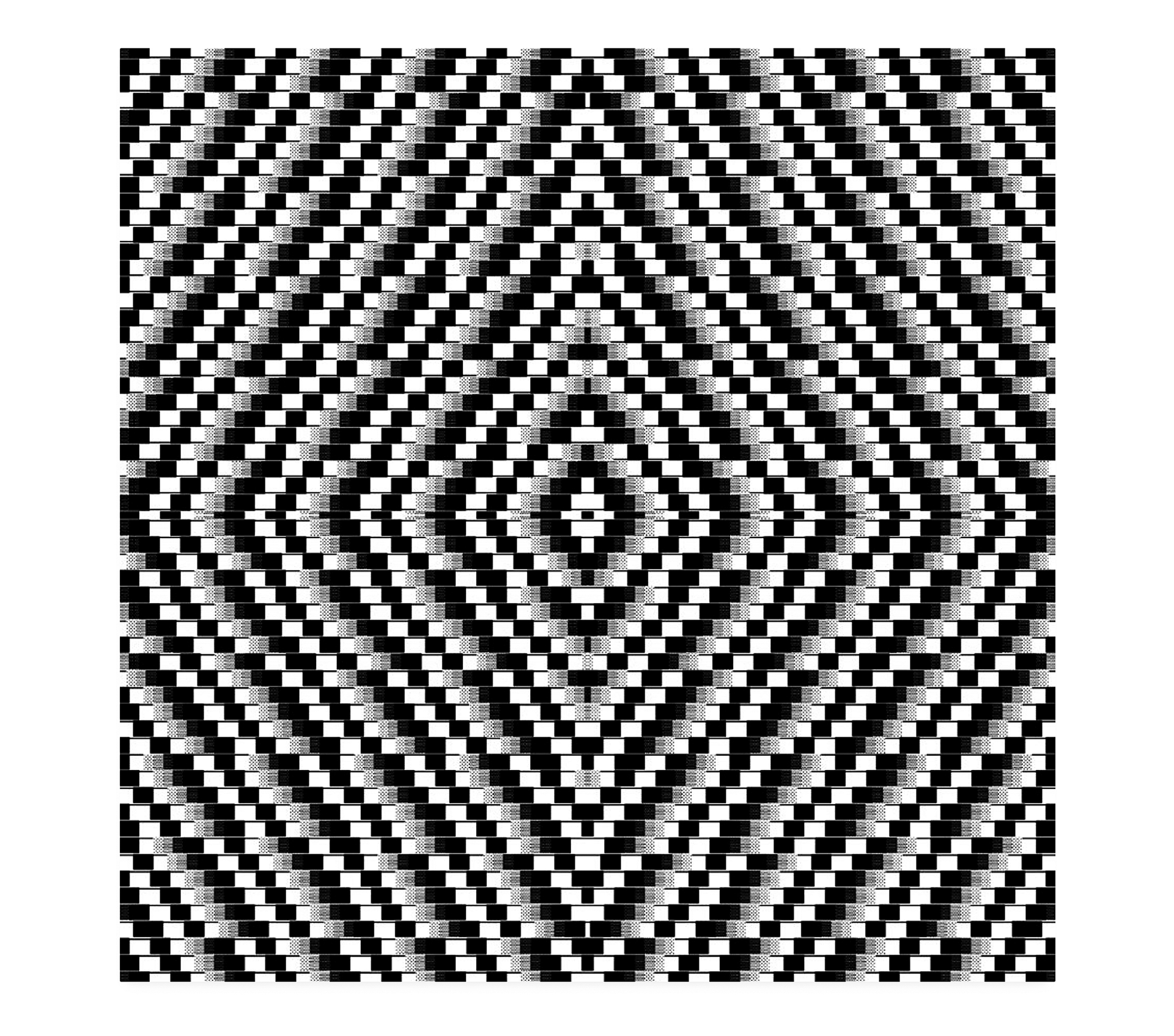
This image extends the system through an alternate distribution of ASCII and Unicode elements, emphasizing contrast and periodic interruption. The variation highlights how minor rule shifts generate perceptible architectural differences within a stable framework.
This image extends the system through an alternate distribution of ASCII and Unicode elements, emphasizing contrast and periodic interruption. The variation highlights how minor rule shifts generate perceptible architectural differences within a stable framework.

Modular Field
Repetitive Pattern Surface
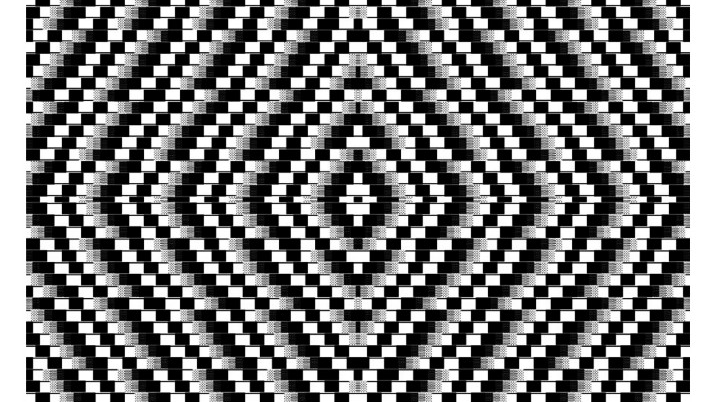
This composition foregrounds repetition and modularity, presenting the system as a continuous field rather than a singular structure. The image demonstrates scalability, showing how the same rule-based logic operates coherently across an expanded visual surface.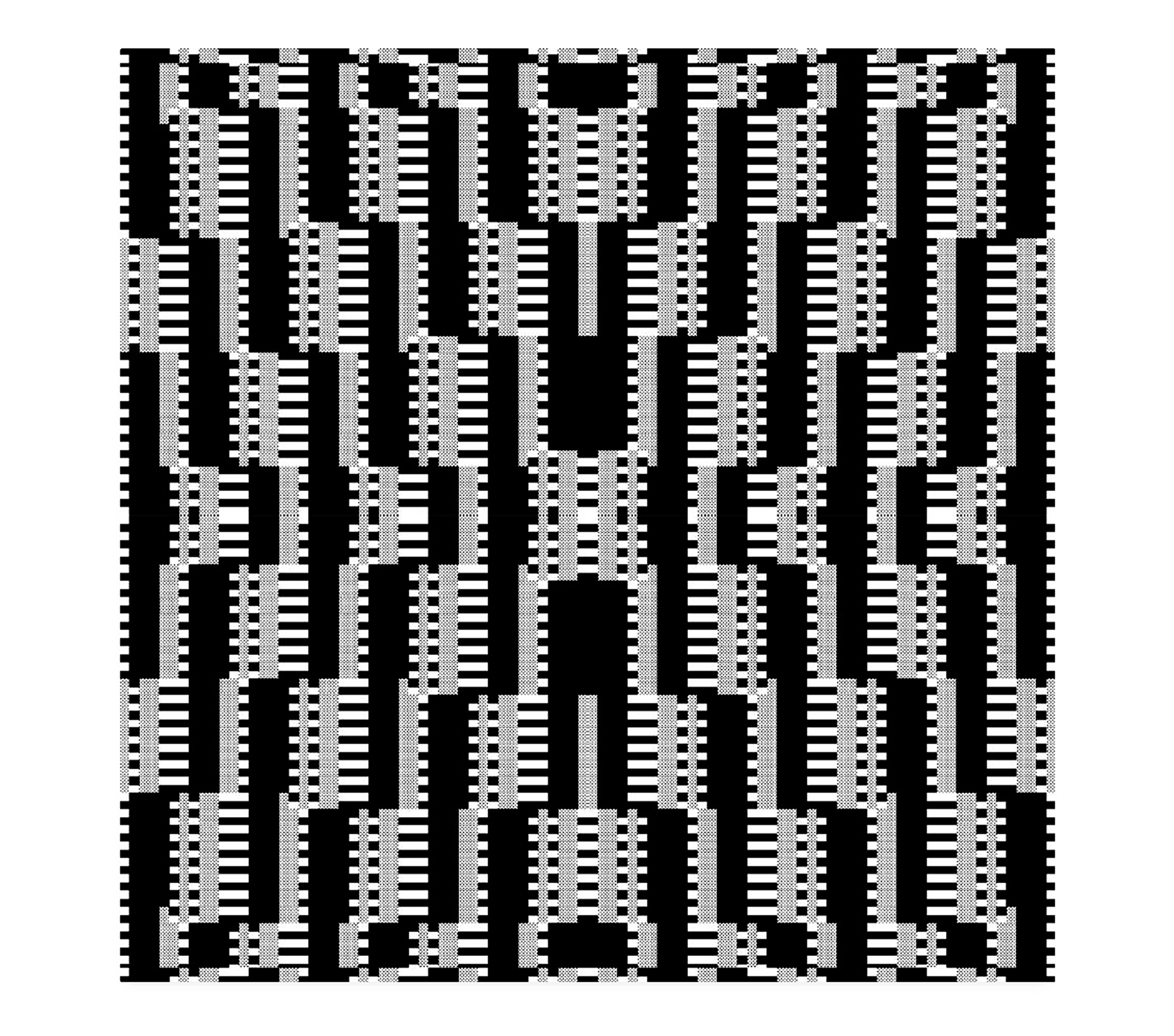
Disruption
Localized Structural Interference
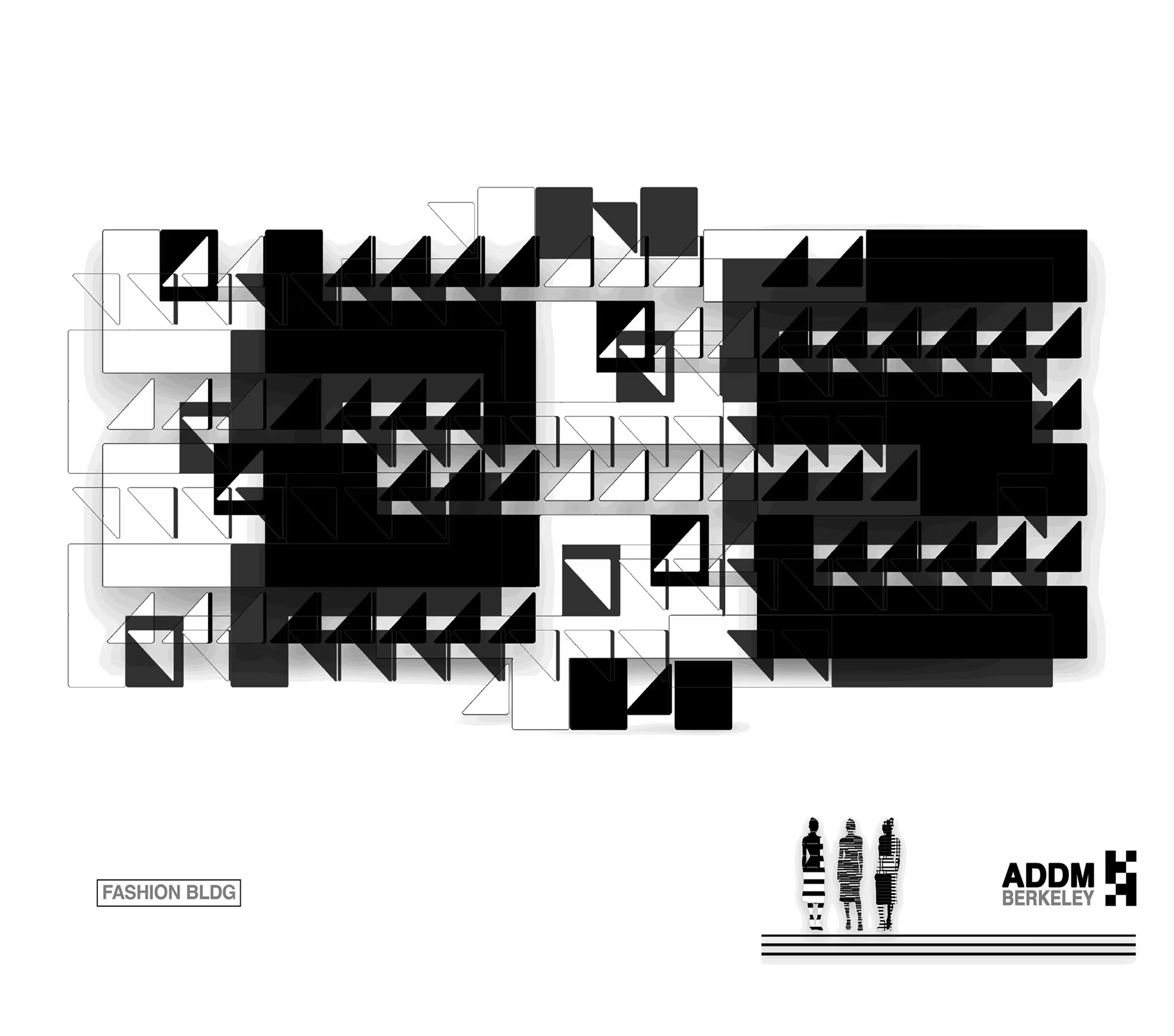
This image introduces controlled disruption into the otherwise consistent system, creating moments of visual noise and fragmentation. The disruption exposes the system’s tolerance for irregularity while maintaining overall structural coherence.
This image introduces controlled disruption into the otherwise consistent system, creating moments of visual noise and fragmentation. The disruption exposes the system’s tolerance for irregularity while maintaining overall structural coherence.
Hybrid Transition
Overlapping System States
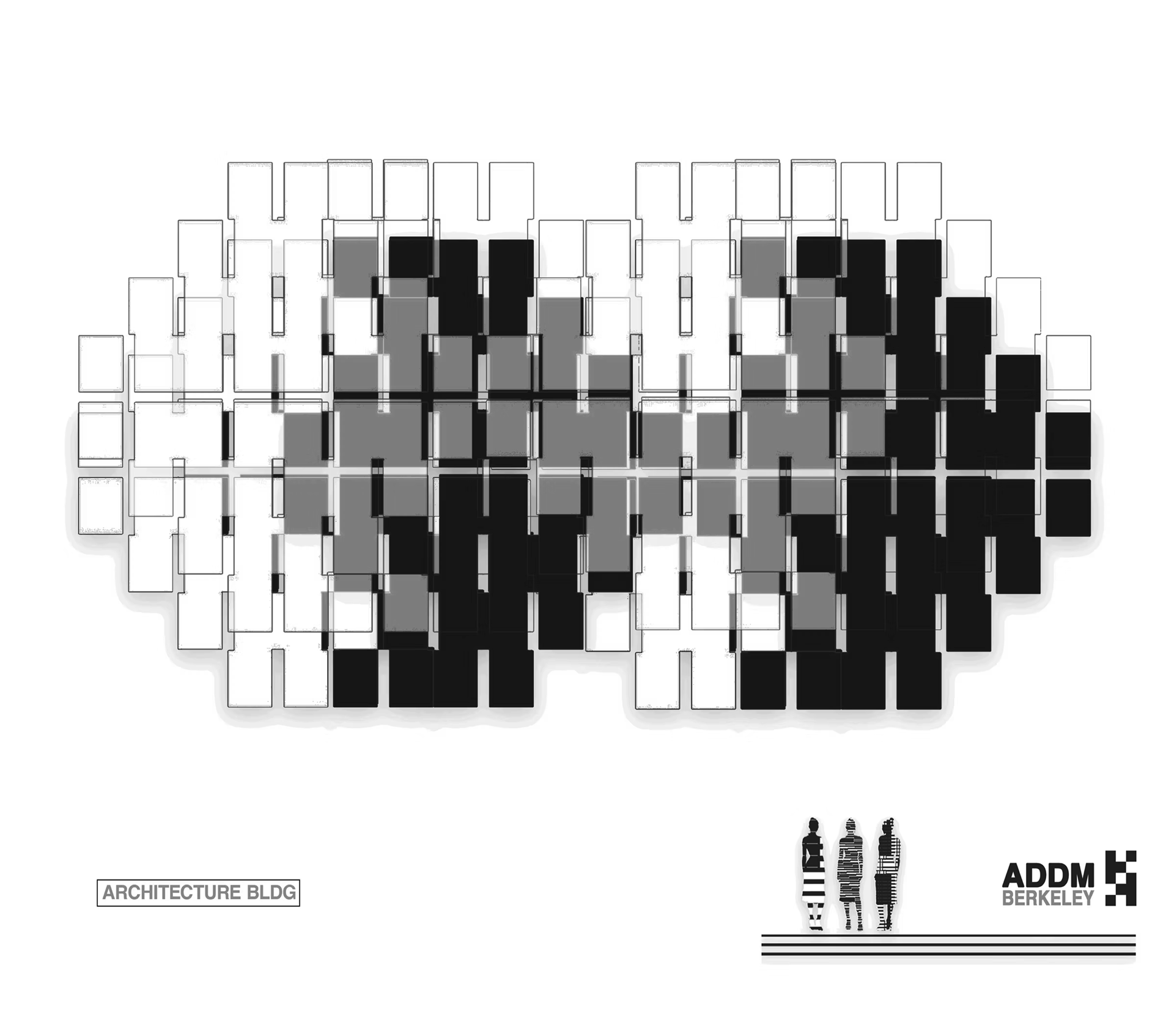
This composition visualizes a transitional state in which multiple rule sets overlap and interact. By layering structural logics, the image demonstrates how hybrid forms emerge through accumulation rather than replacement.
This composition visualizes a transitional state in which multiple rule sets overlap and interact. By layering structural logics, the image demonstrates how hybrid forms emerge through accumulation rather than replacement.
Contextual Reference
Architectural Translation
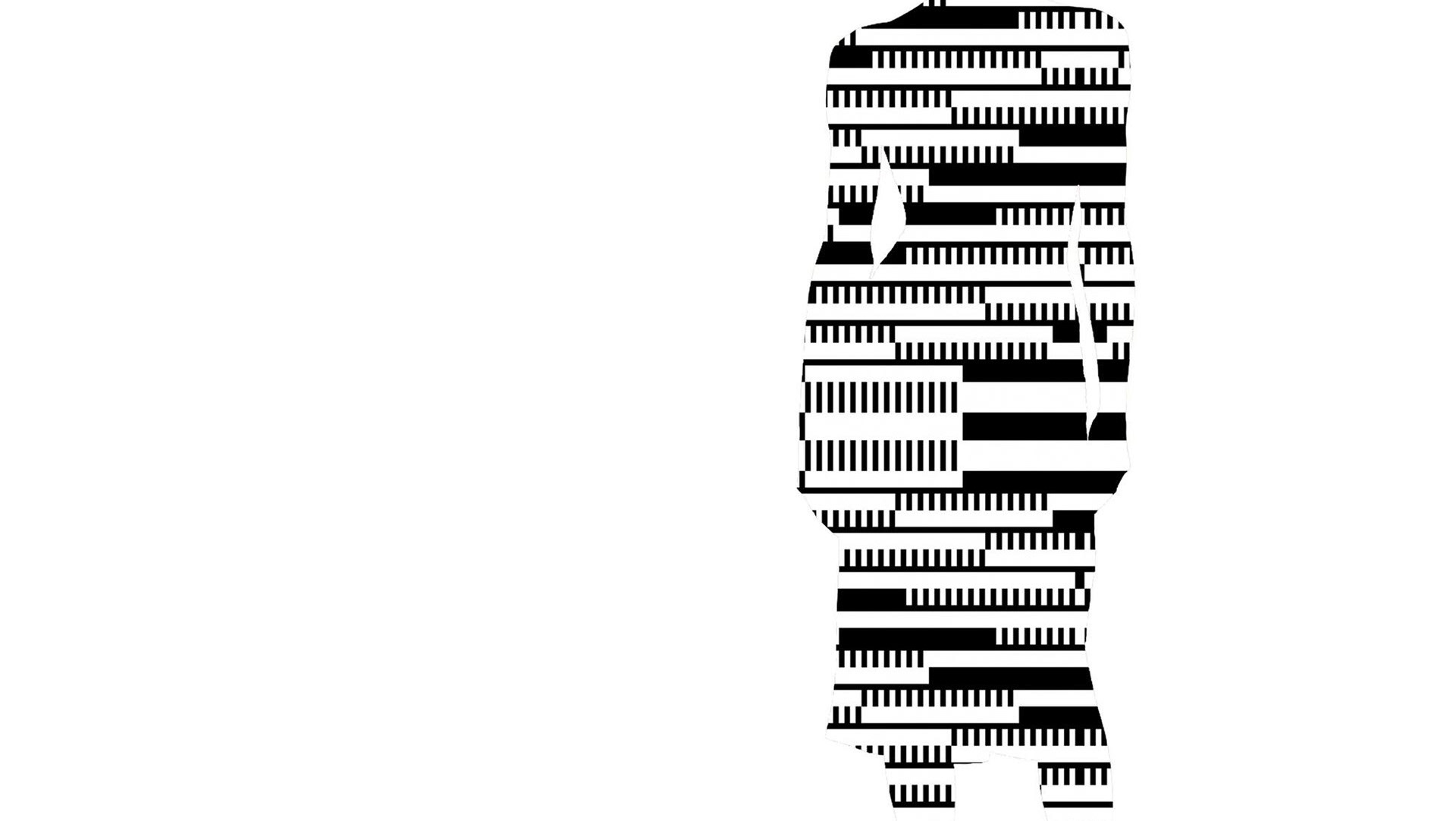
This image situates the generative system within an architectural context, suggesting scale, inhabitation, and spatial reference. The inclusion of figures provides a relational measure, linking abstract pattern systems to embodied experience.
This image situates the generative system within an architectural context, suggesting scale, inhabitation, and spatial reference. The inclusion of figures provides a relational measure, linking abstract pattern systems to embodied experience.