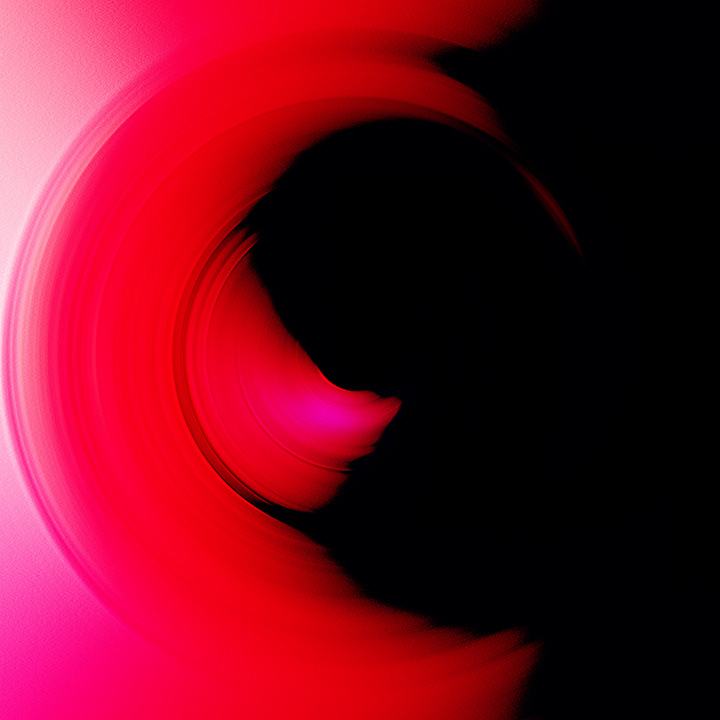
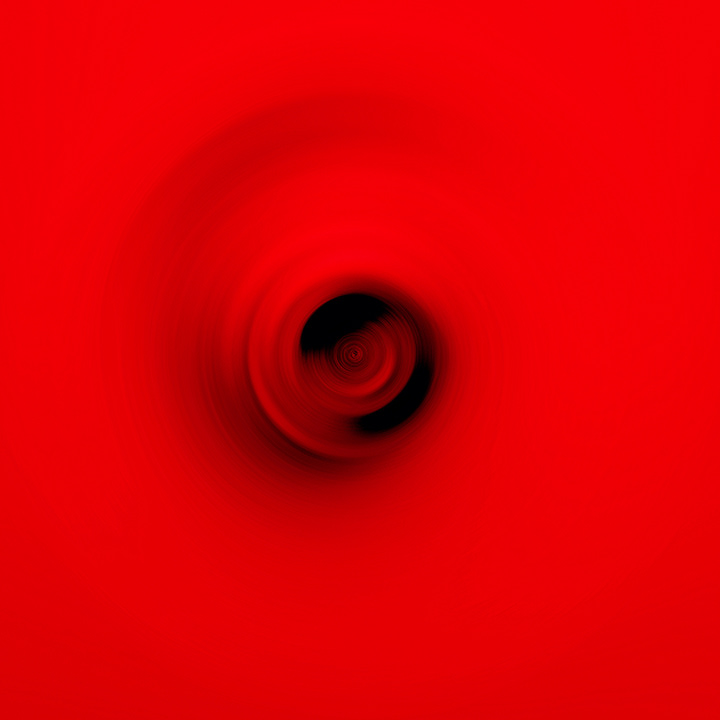
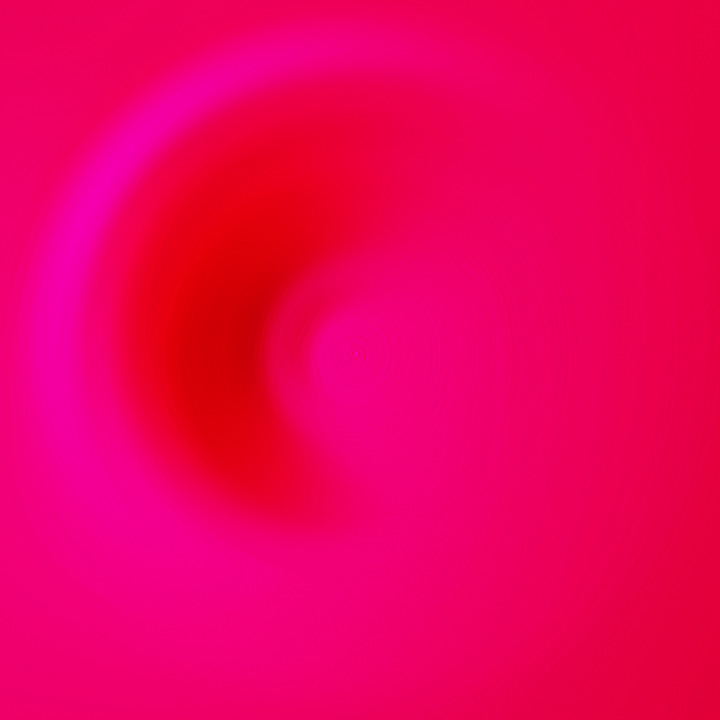
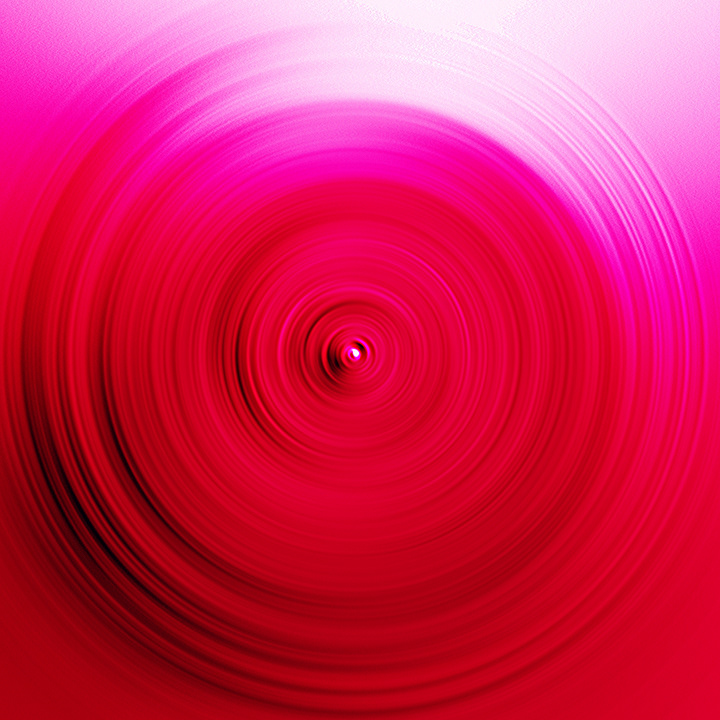
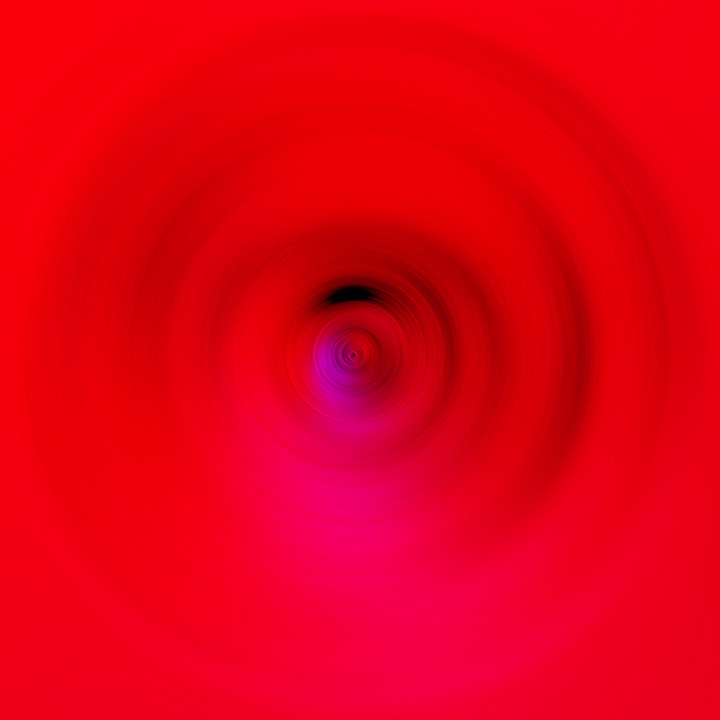
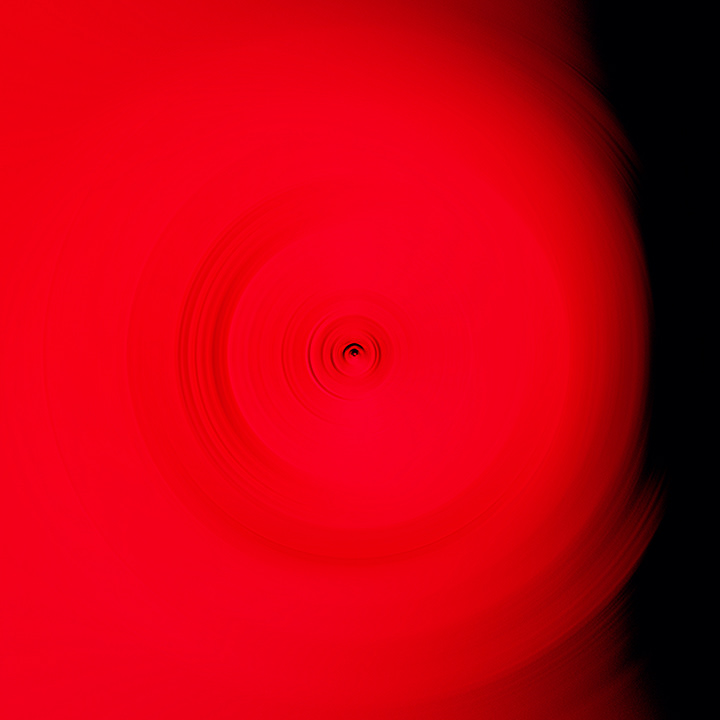
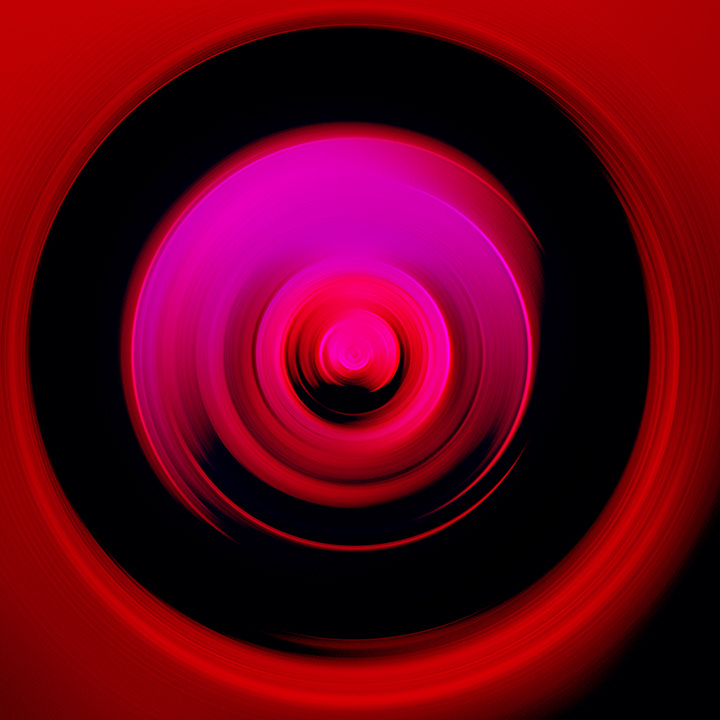
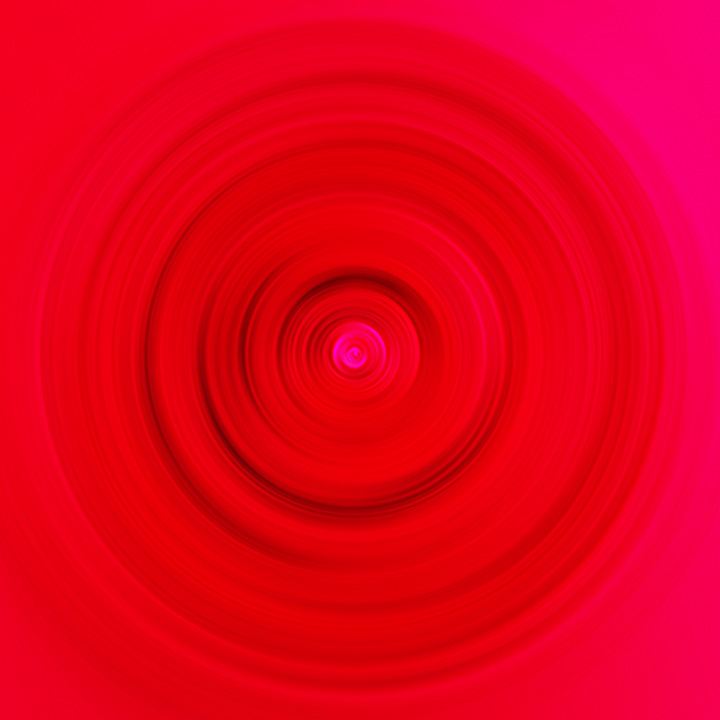
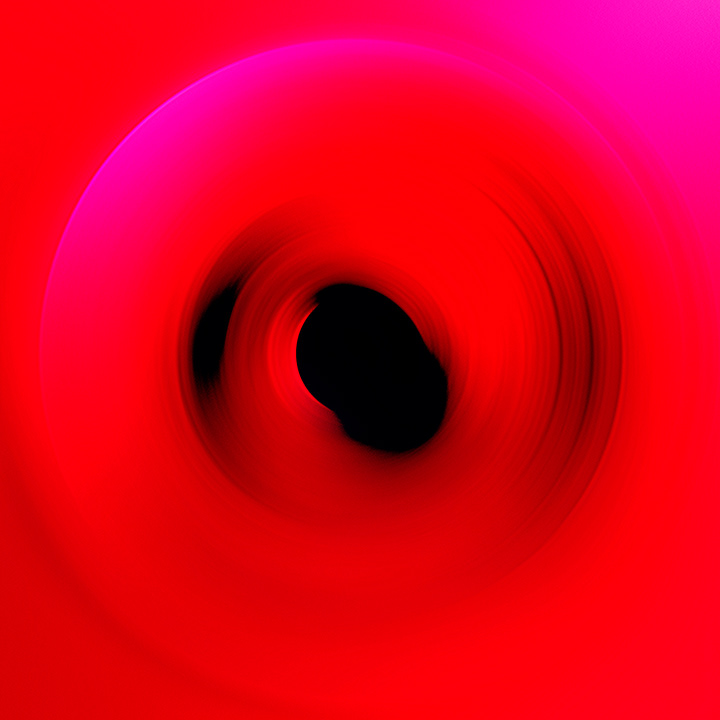
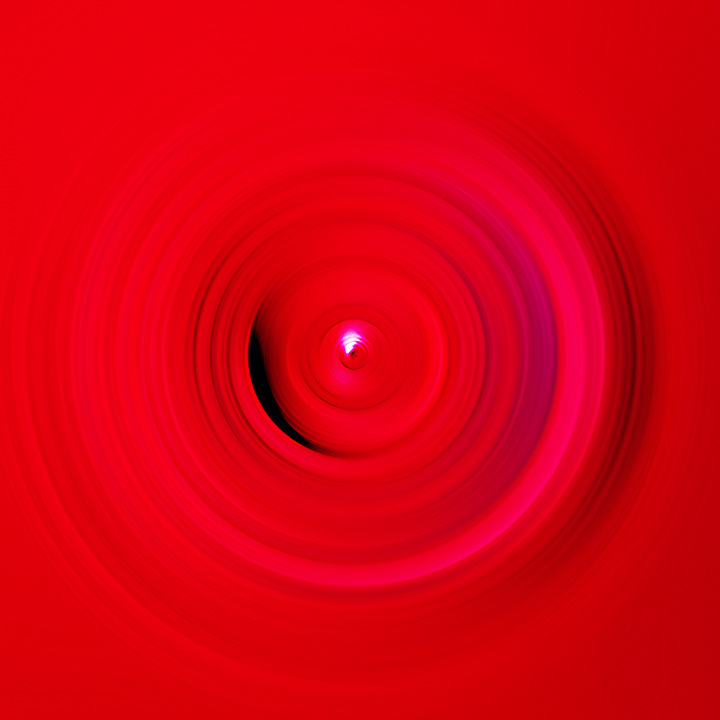
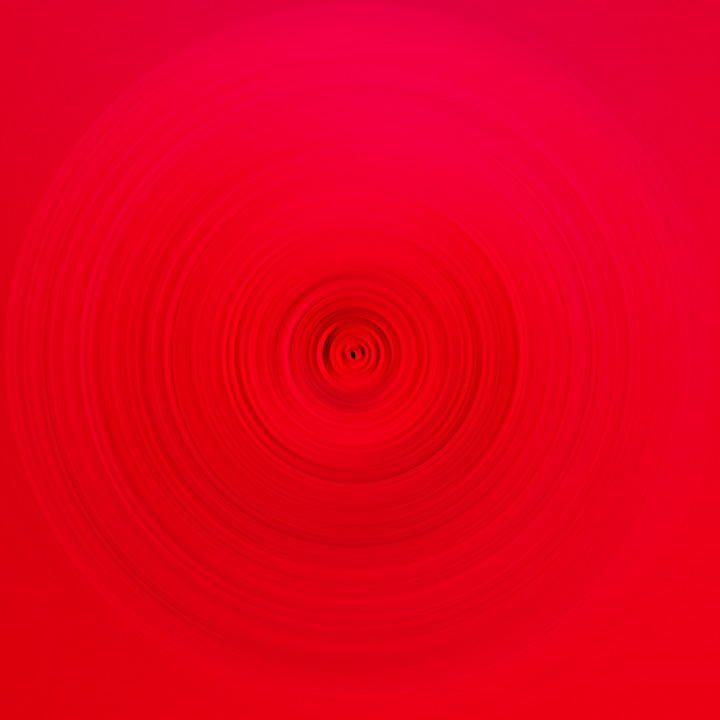
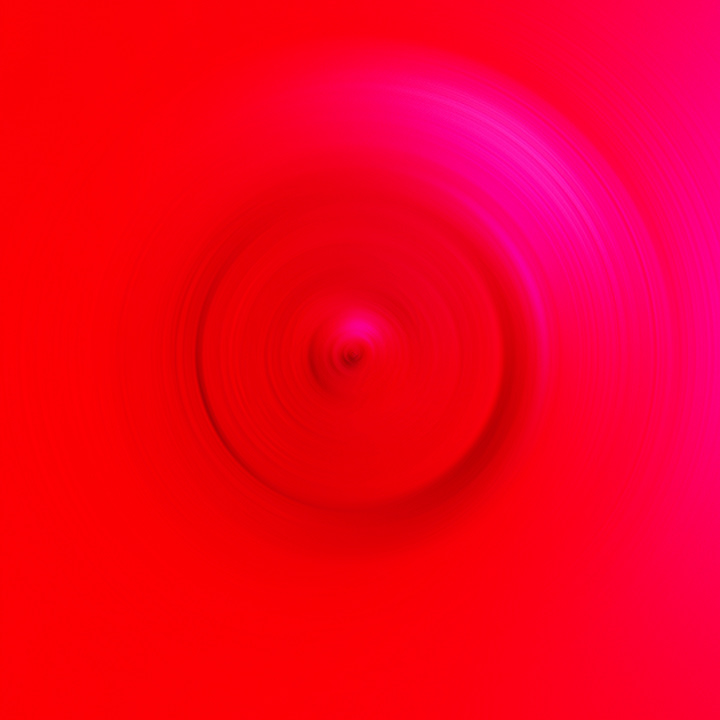
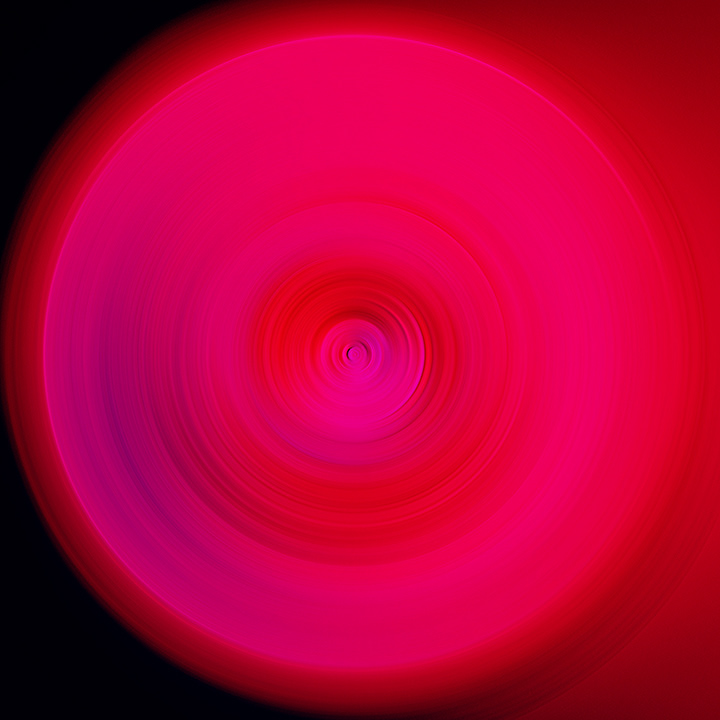
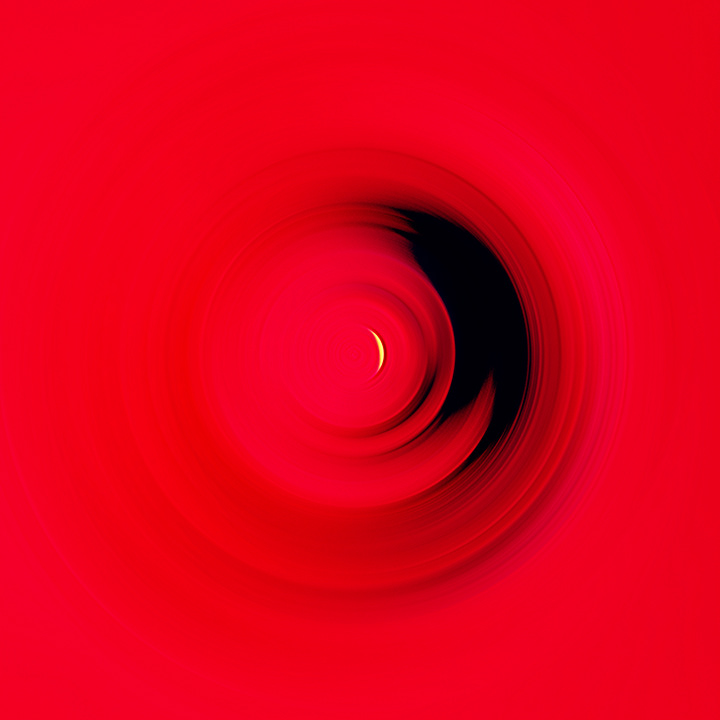
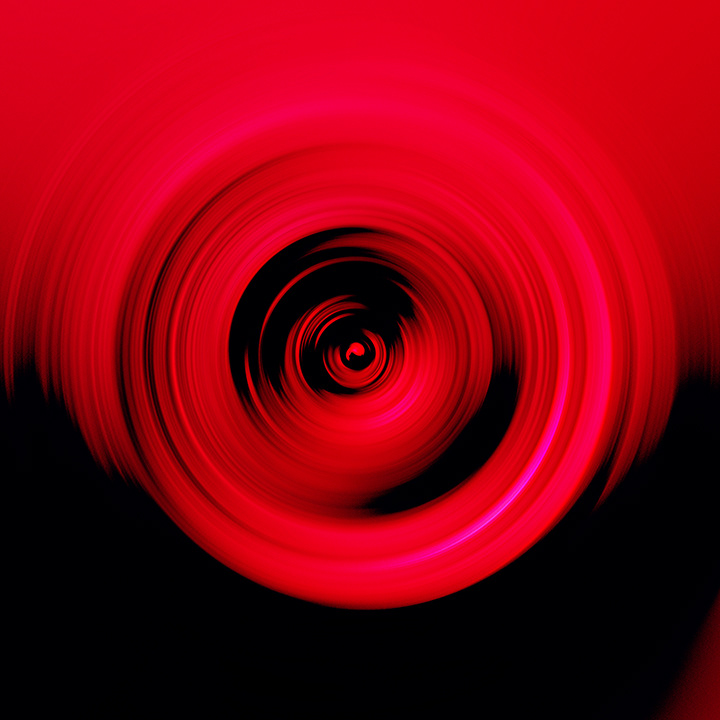
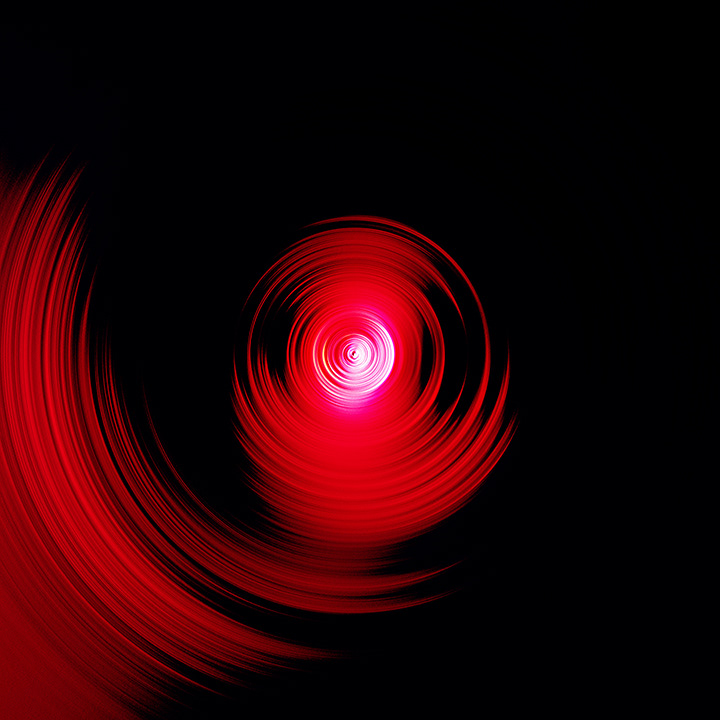
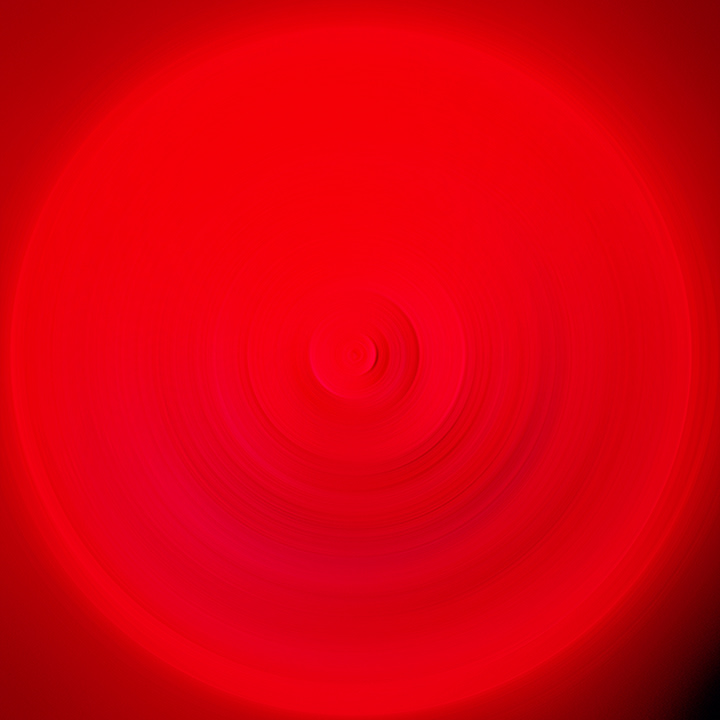
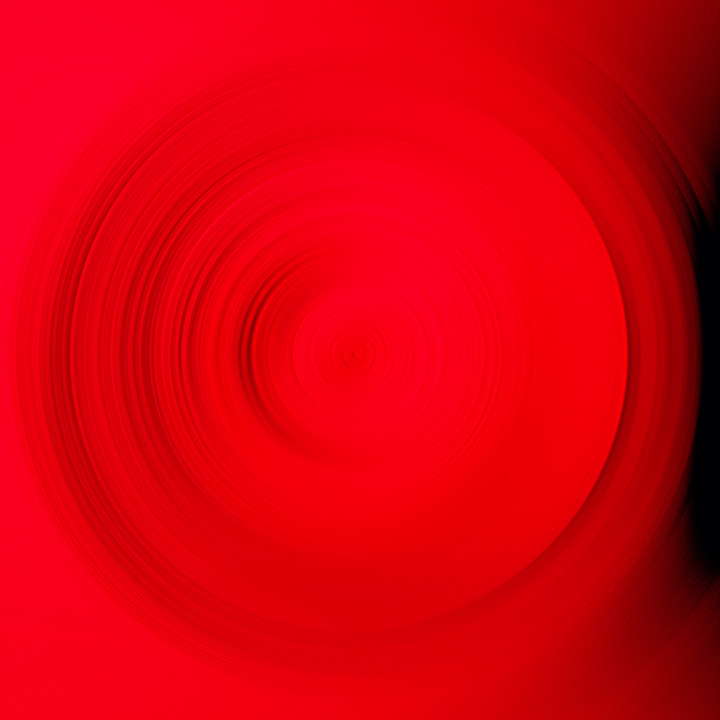
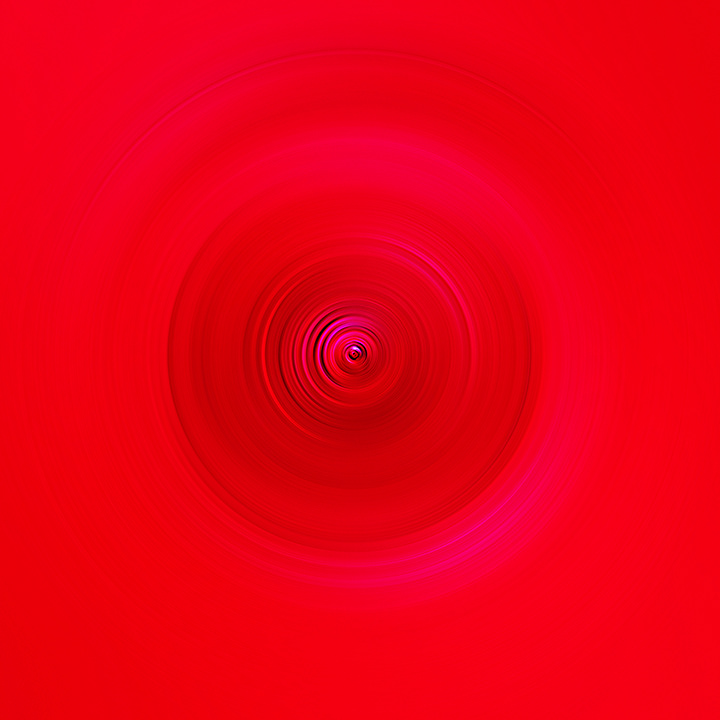
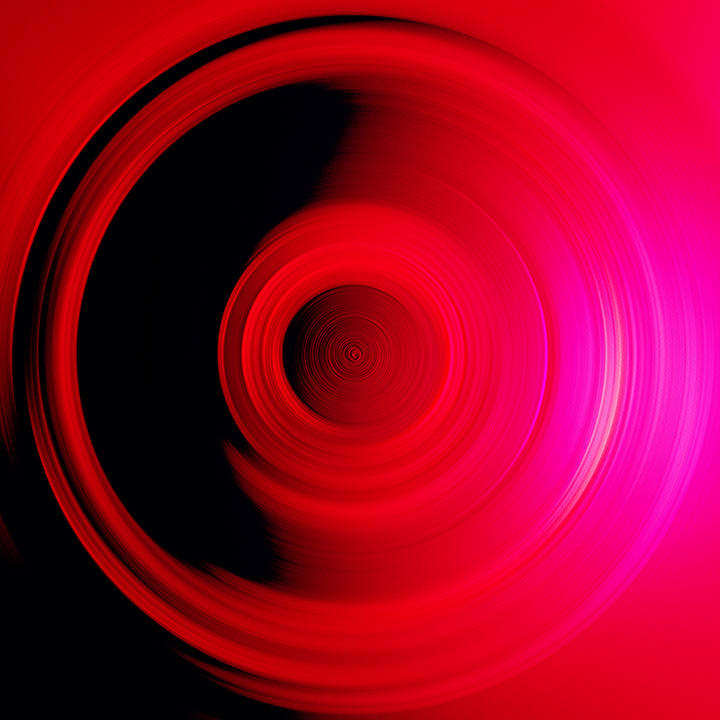
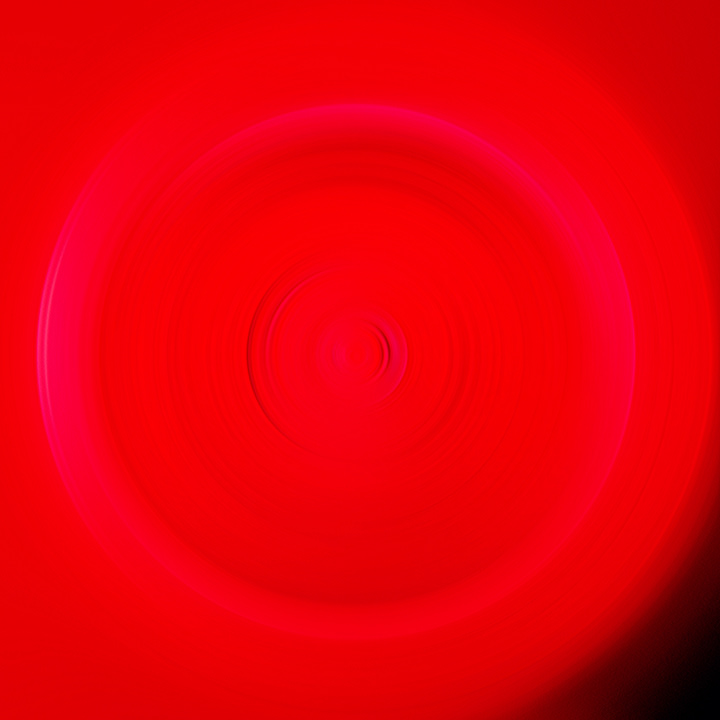
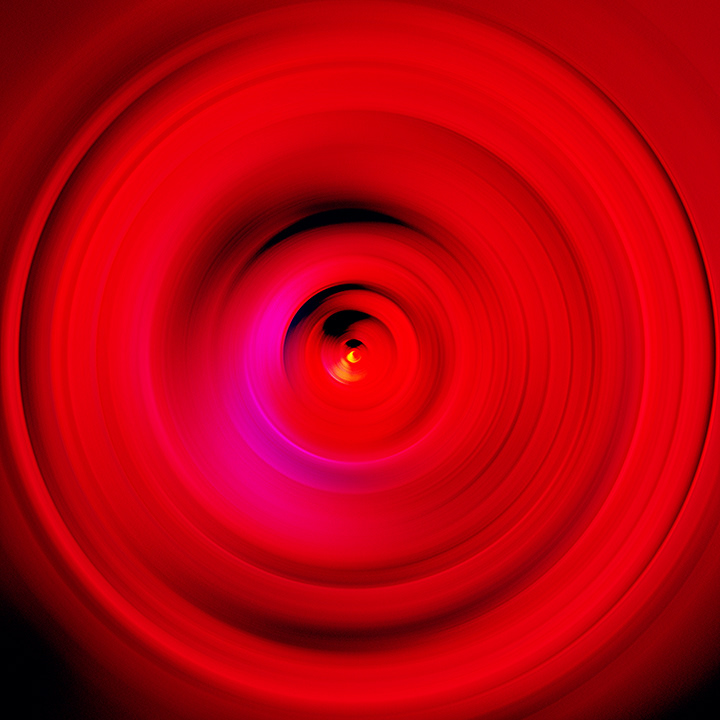
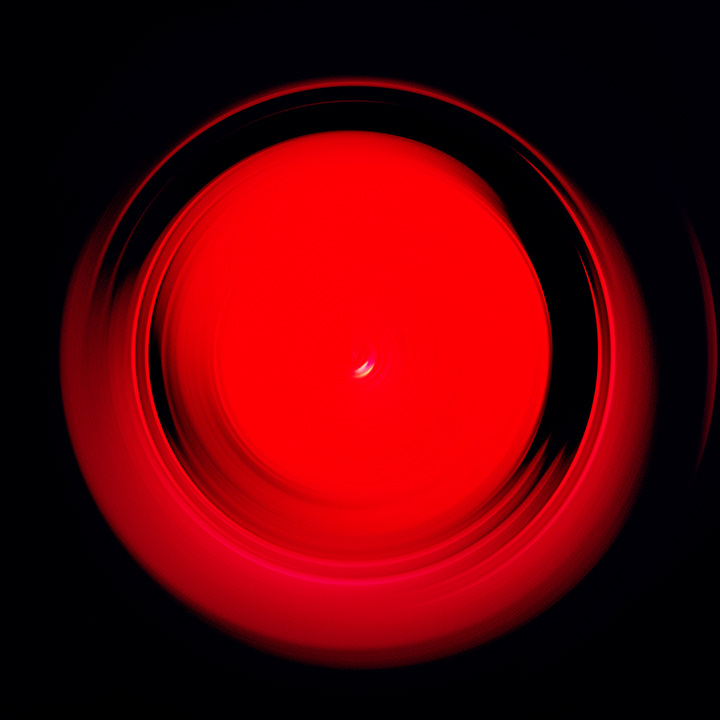
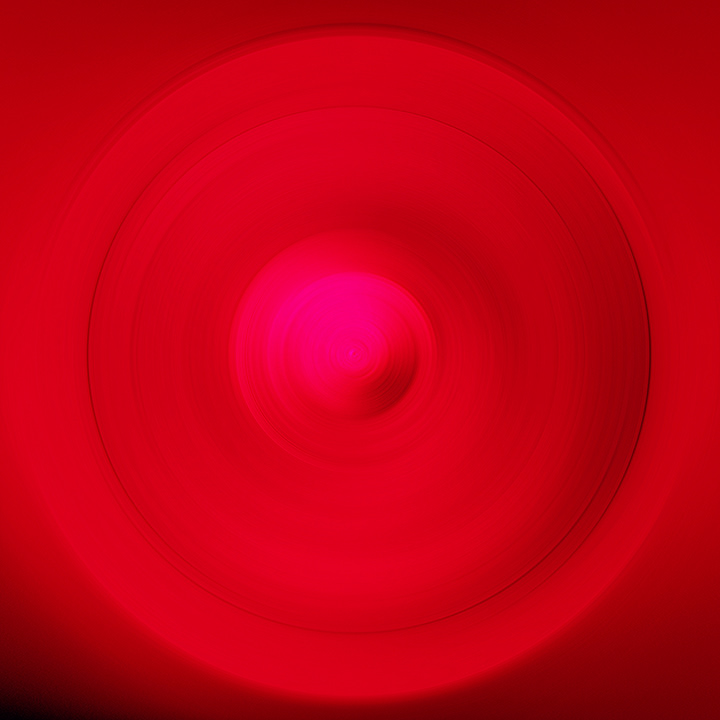
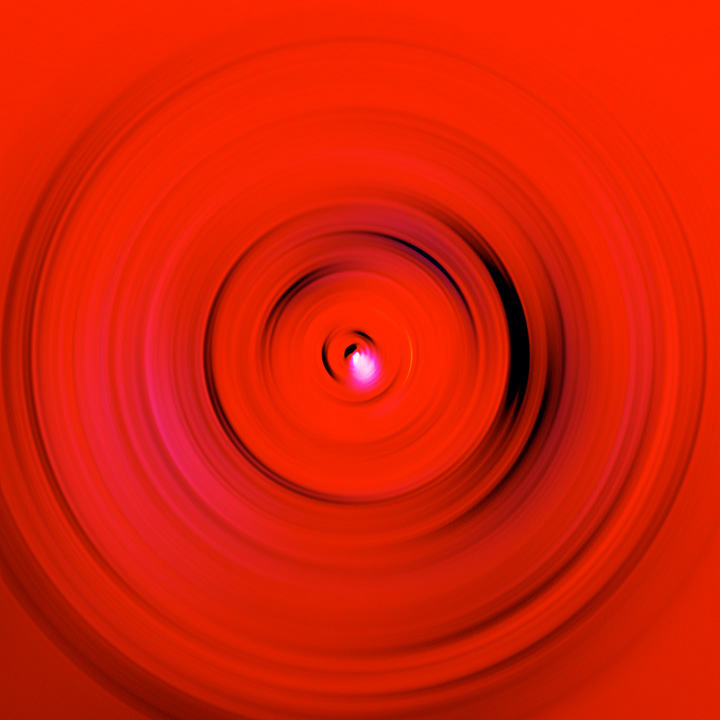
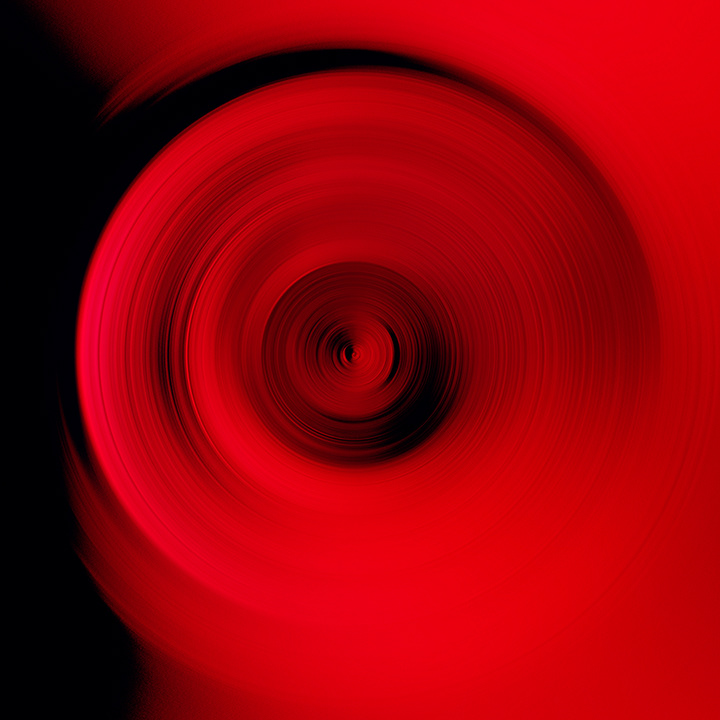
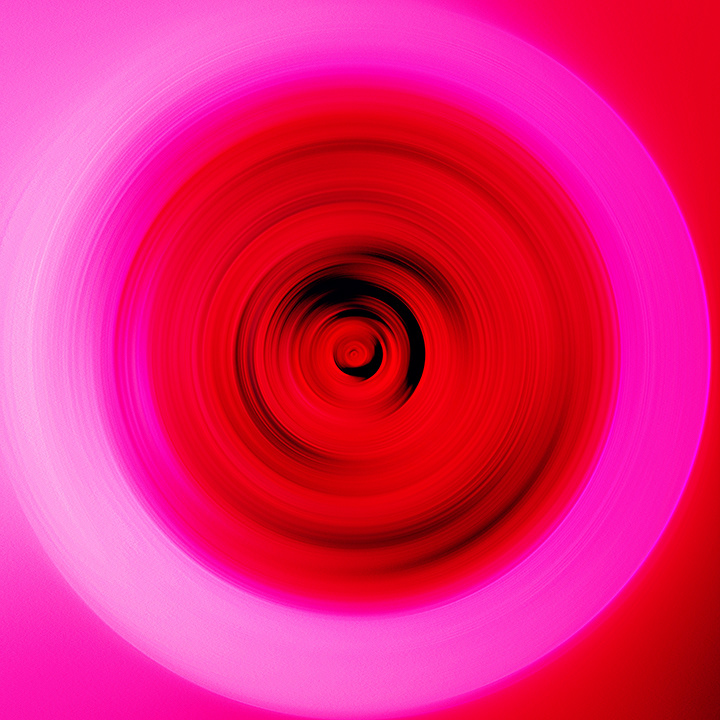
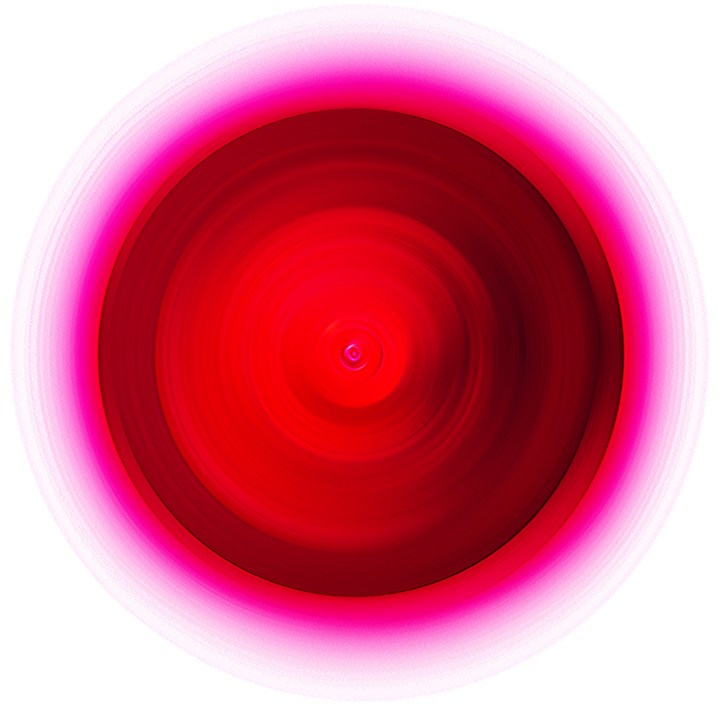
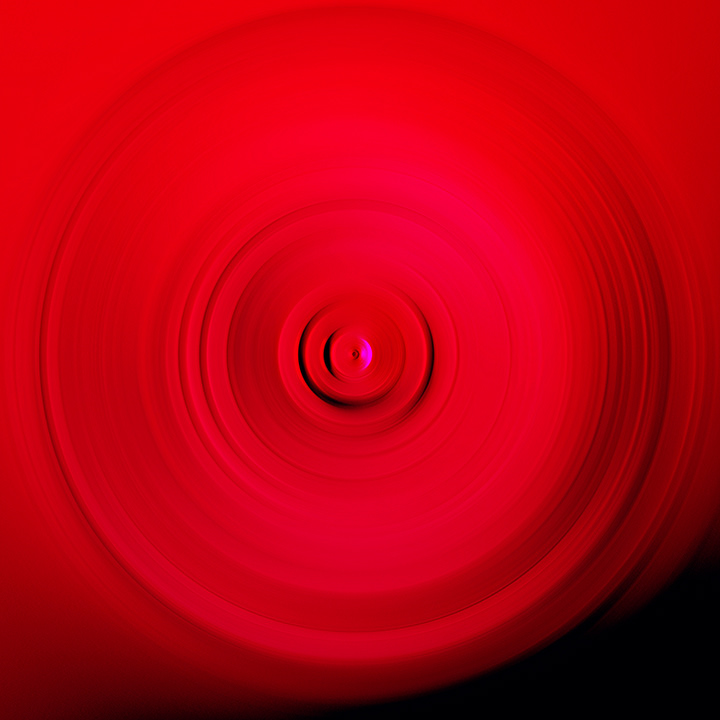
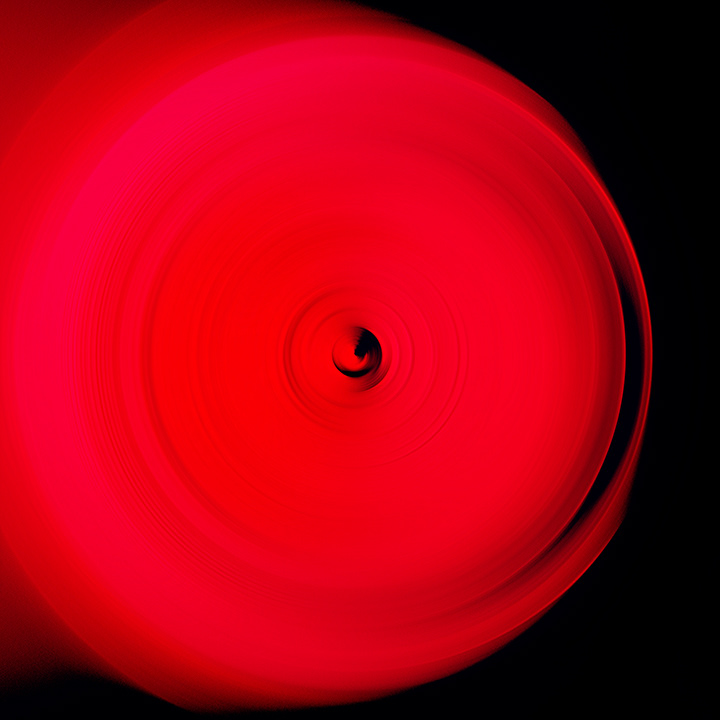
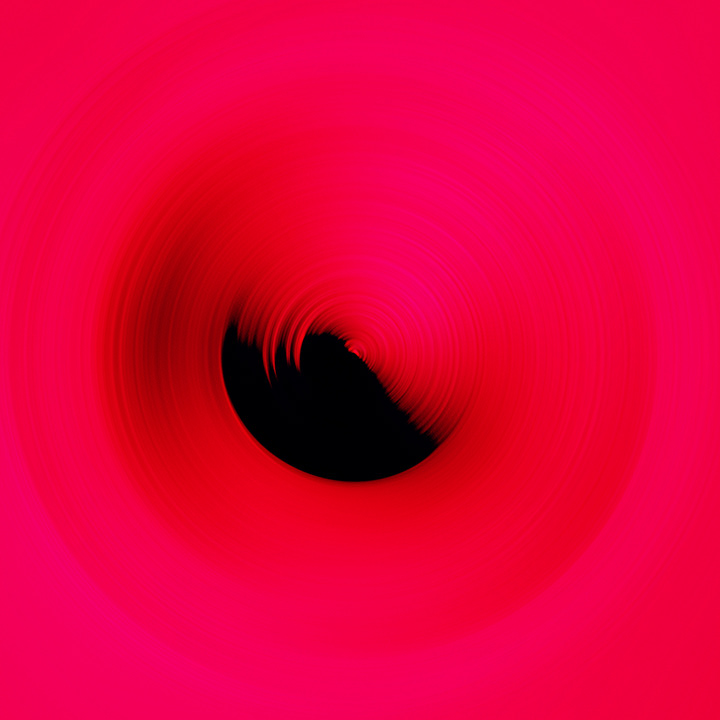
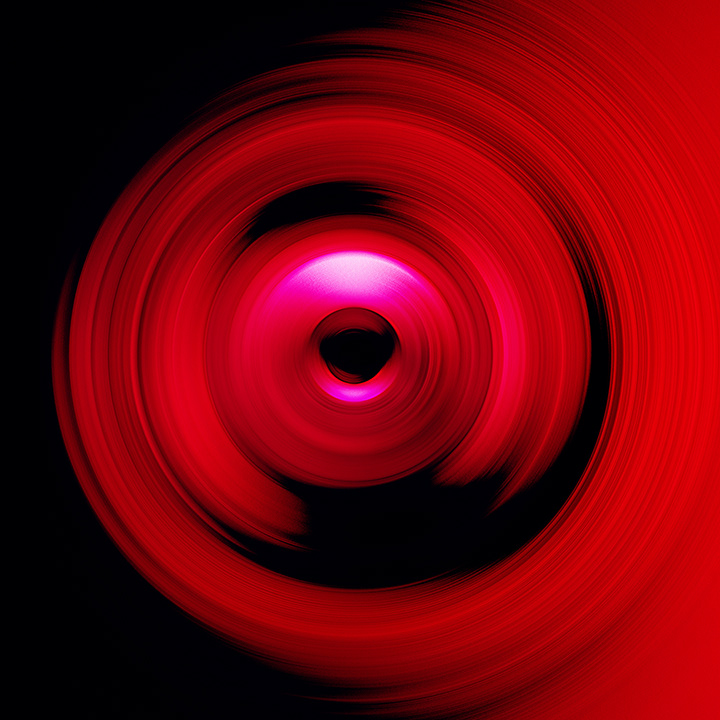
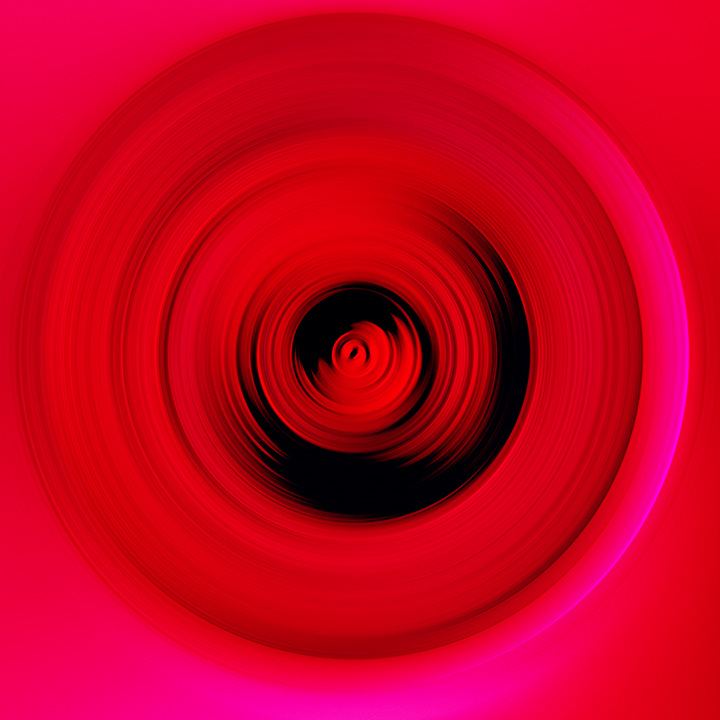
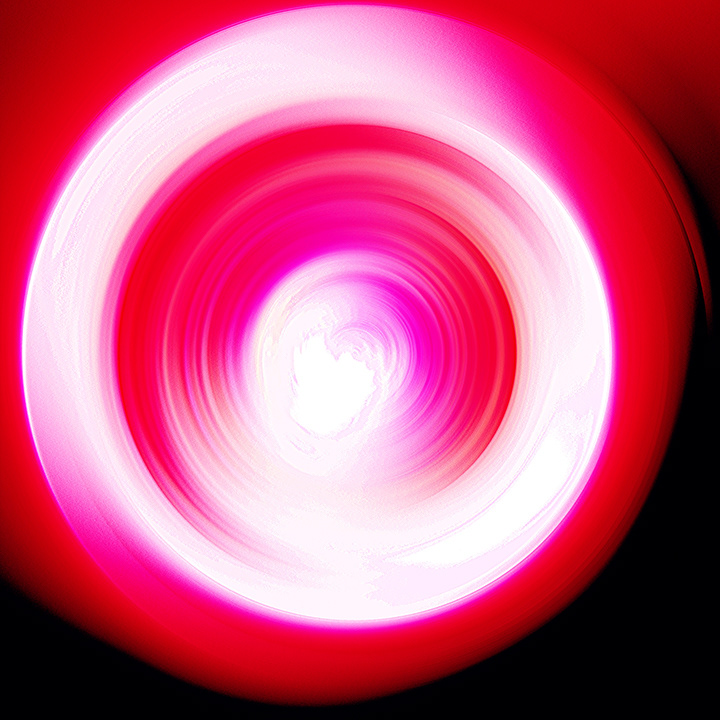
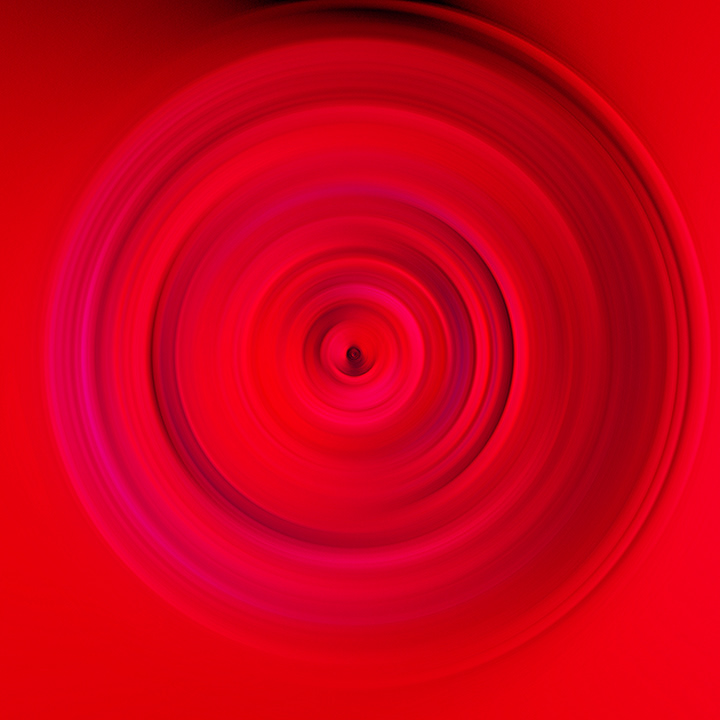
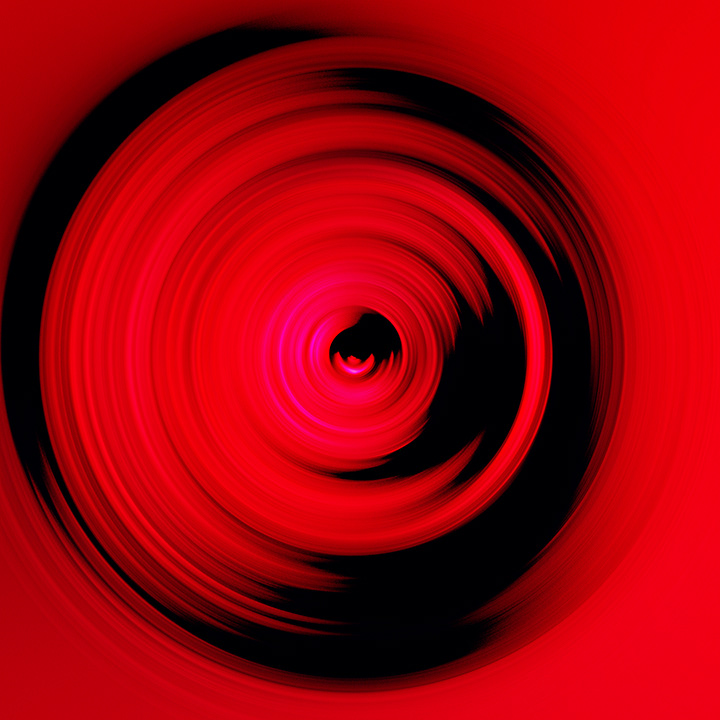
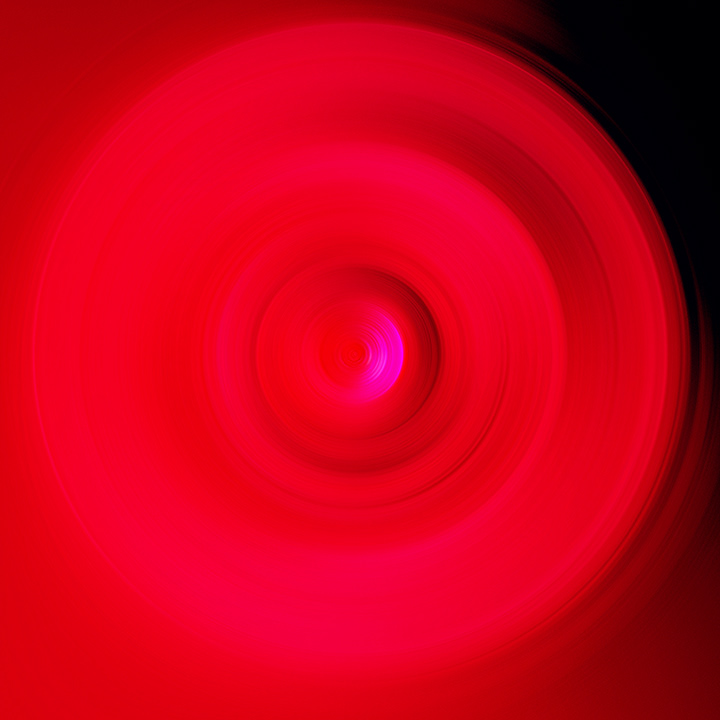
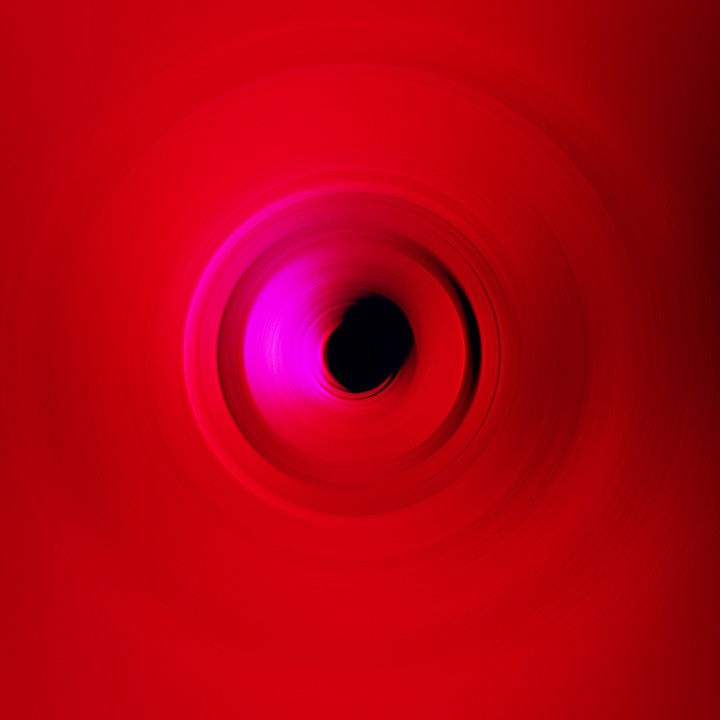
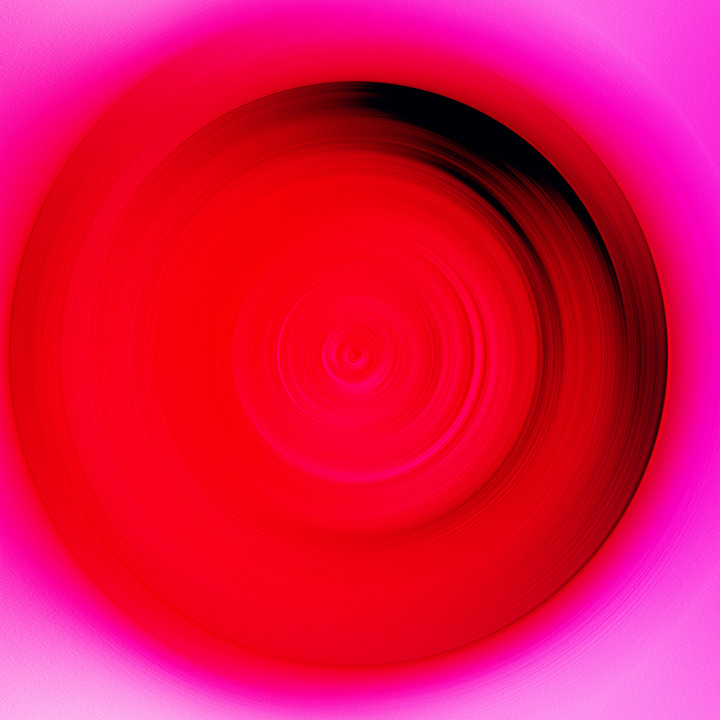
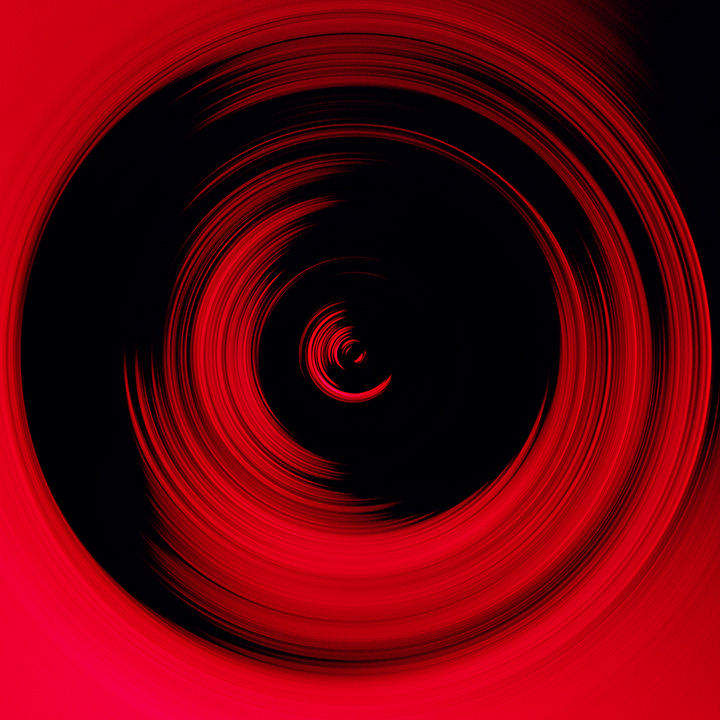
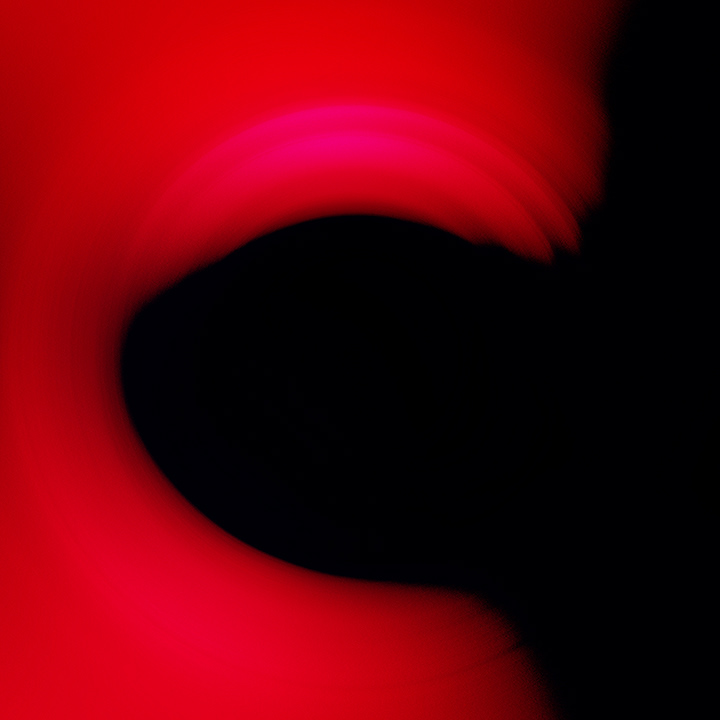
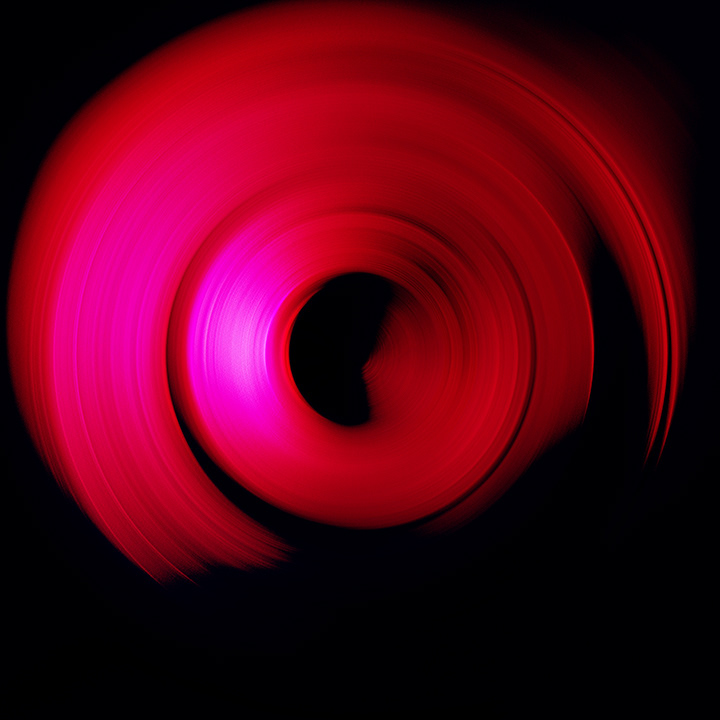
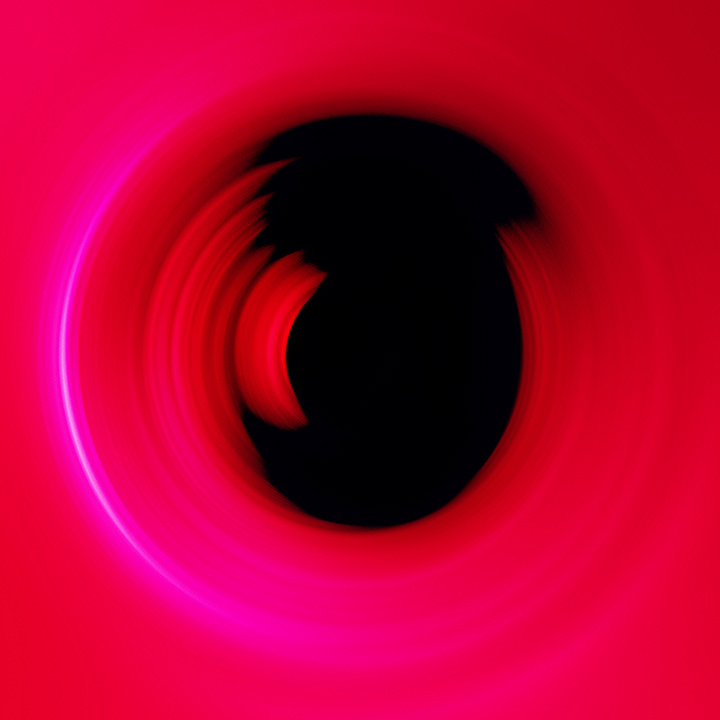
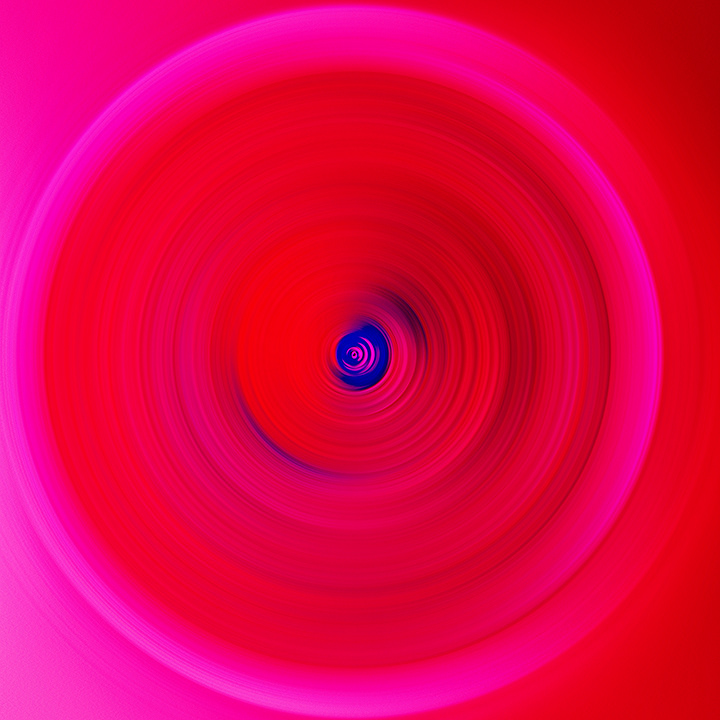
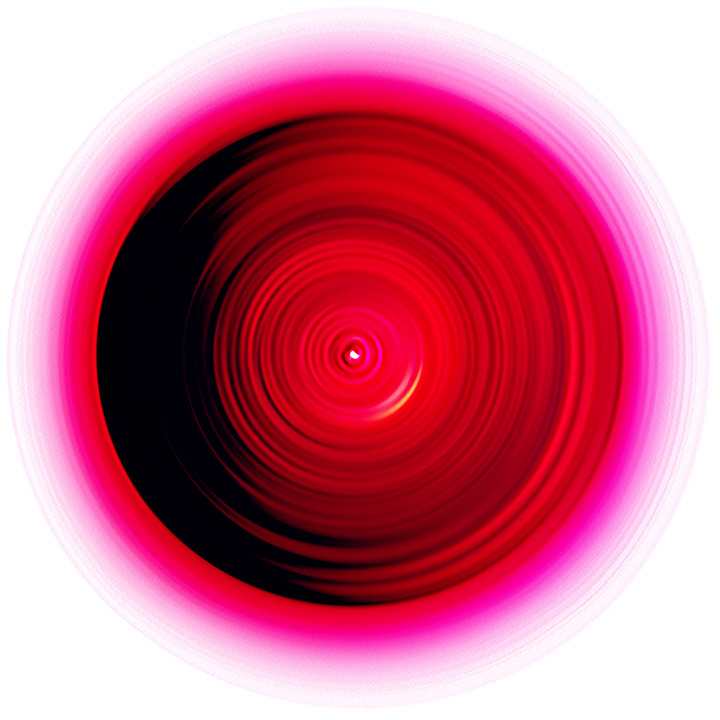
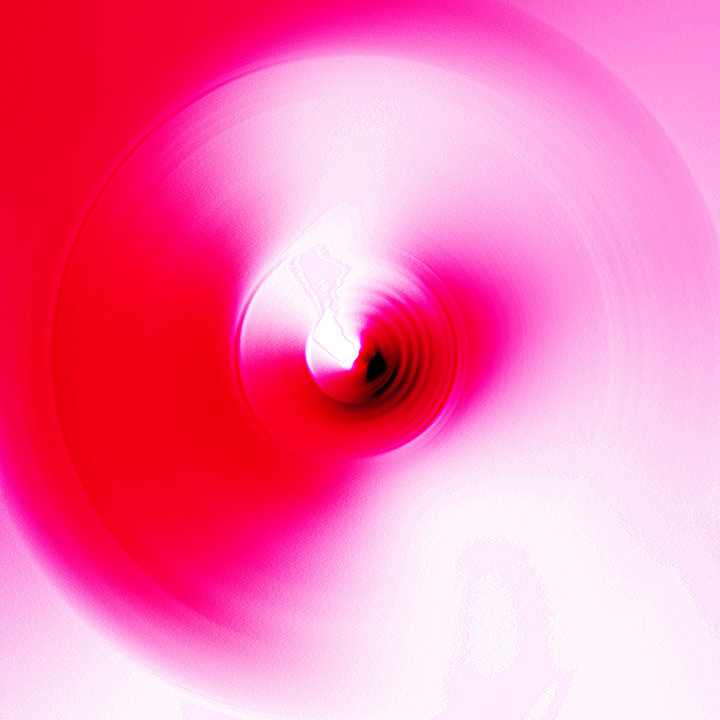
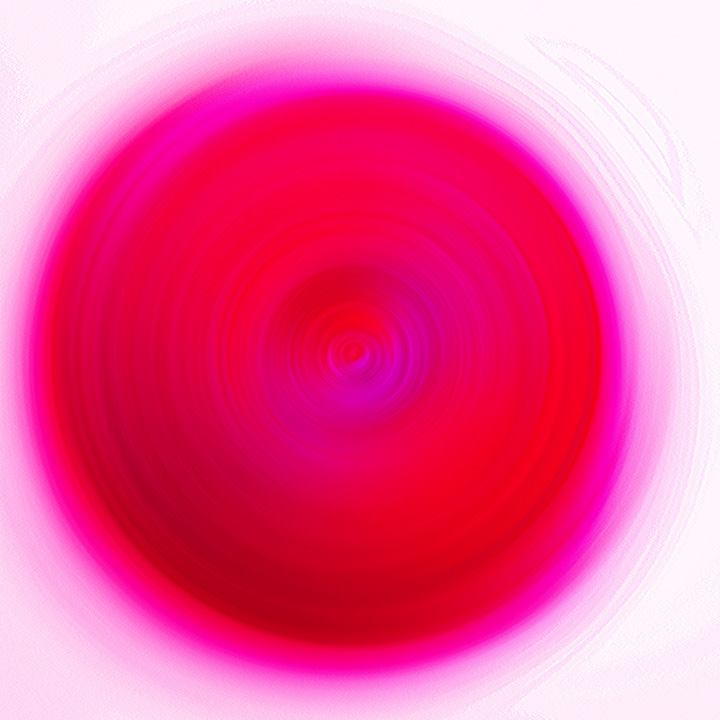
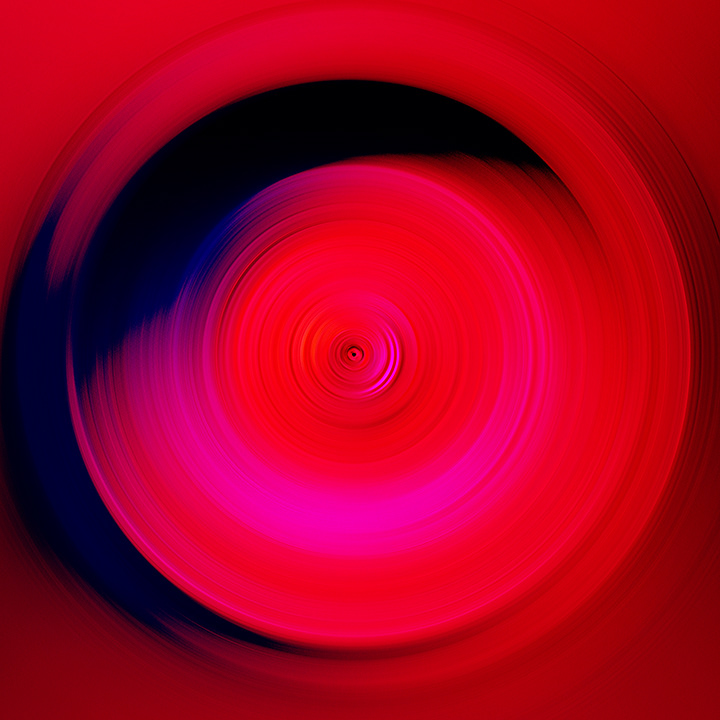
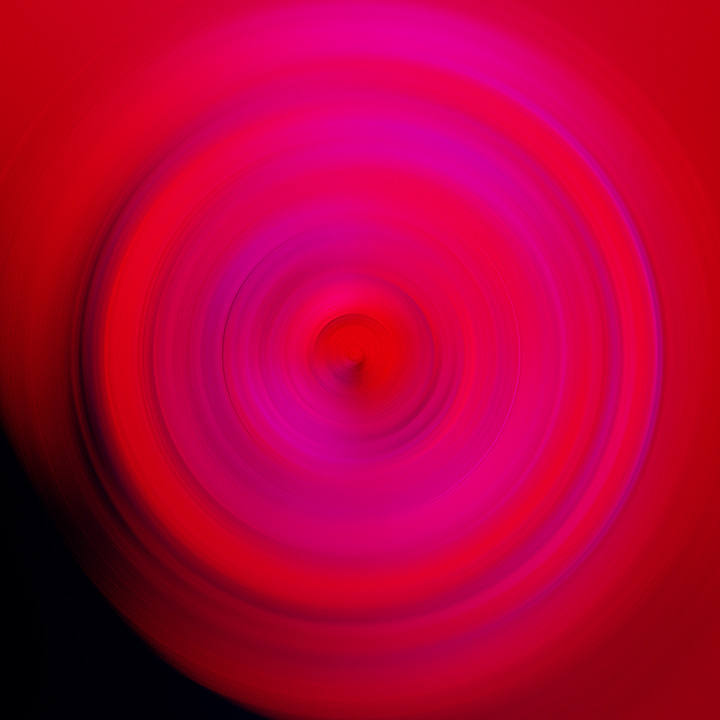
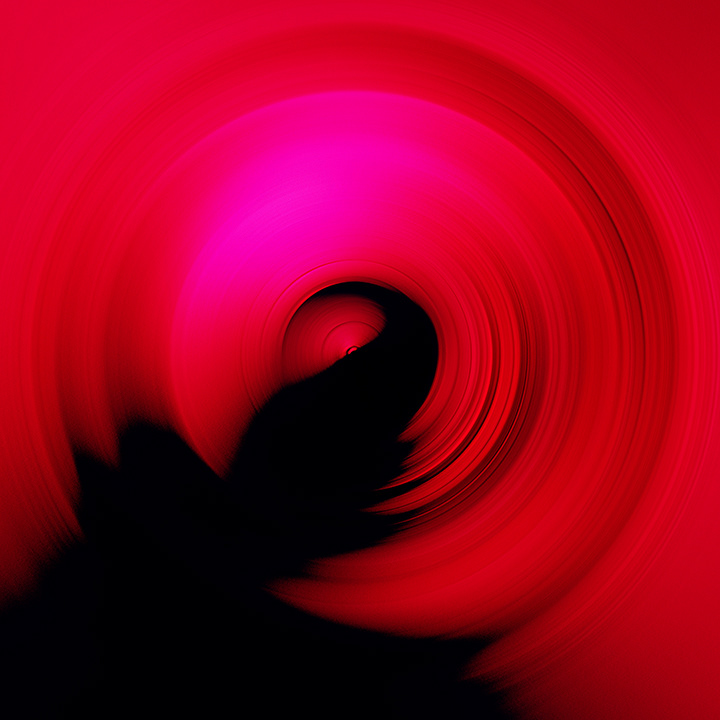
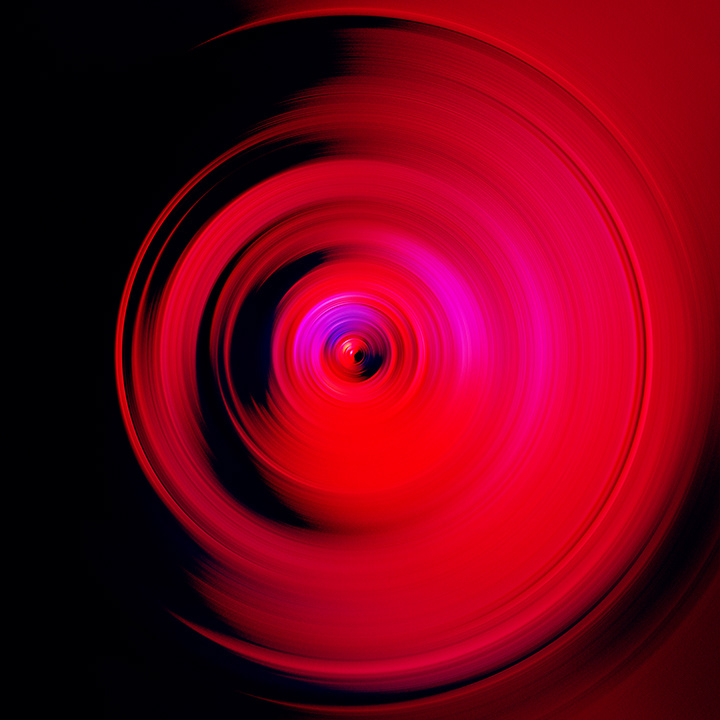
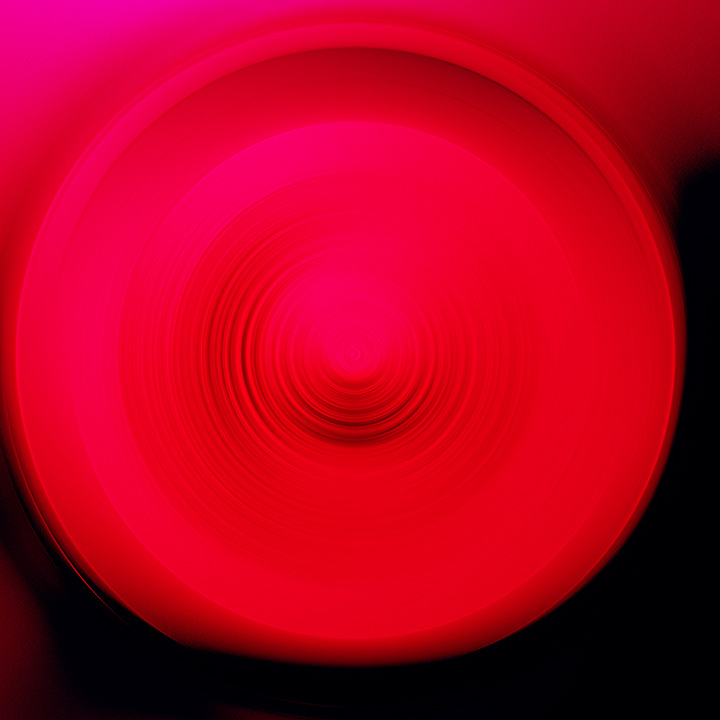
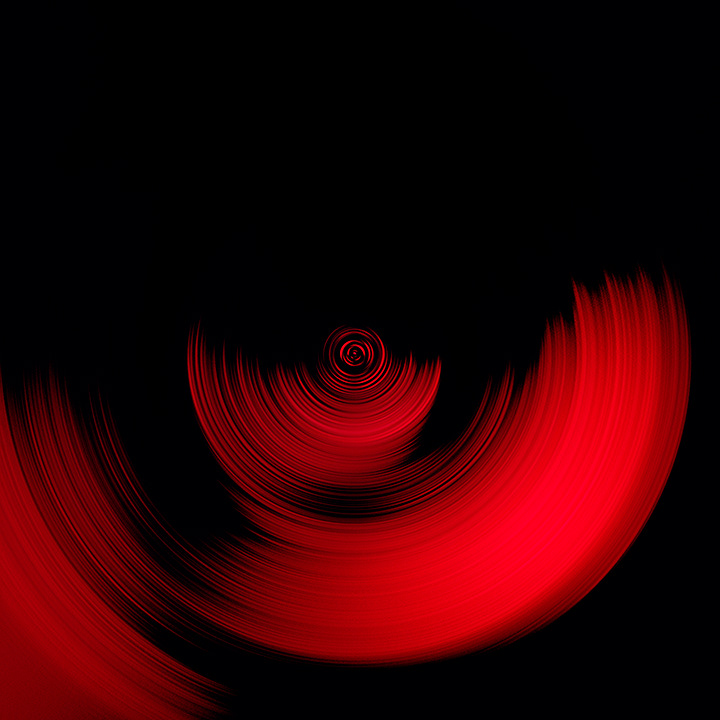
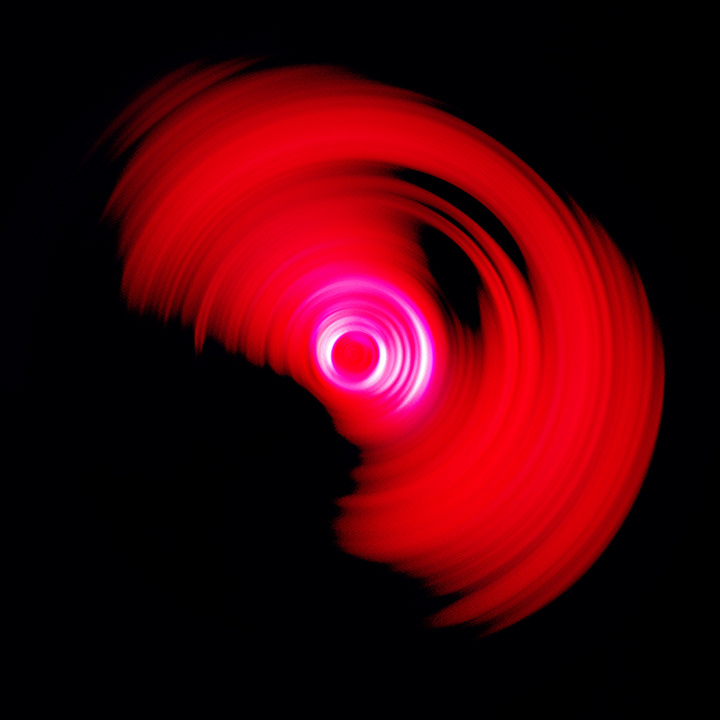
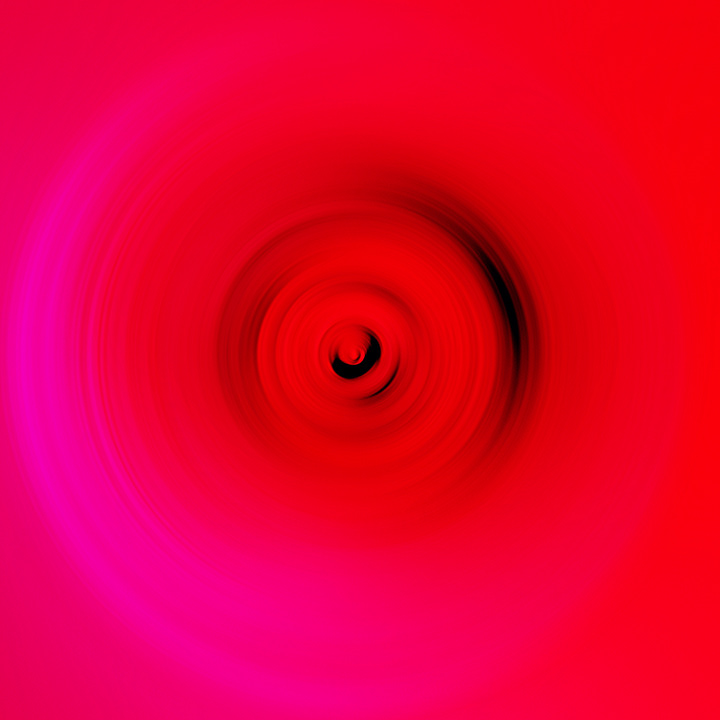
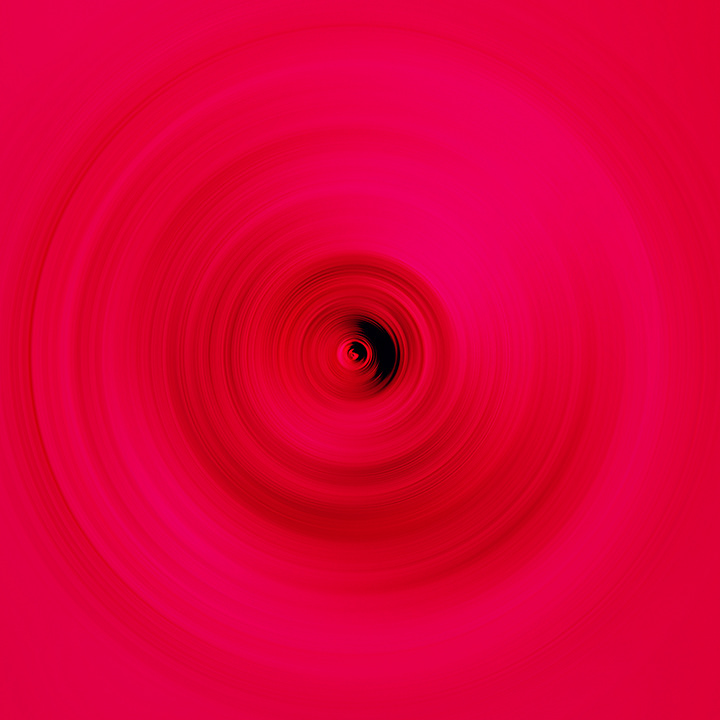
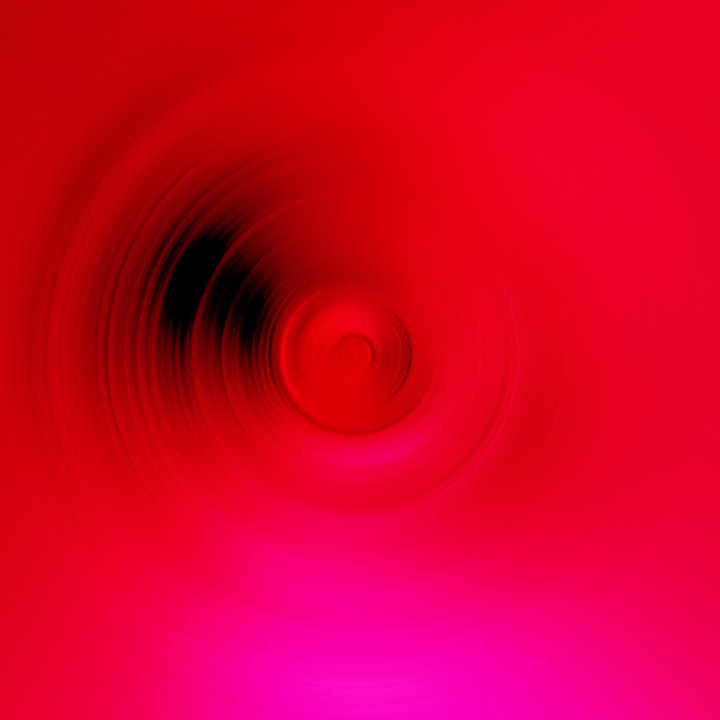
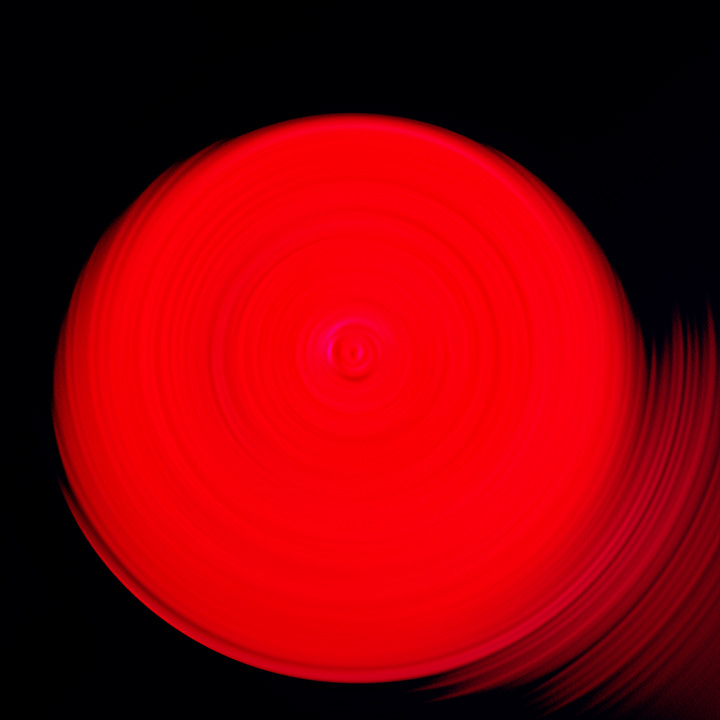
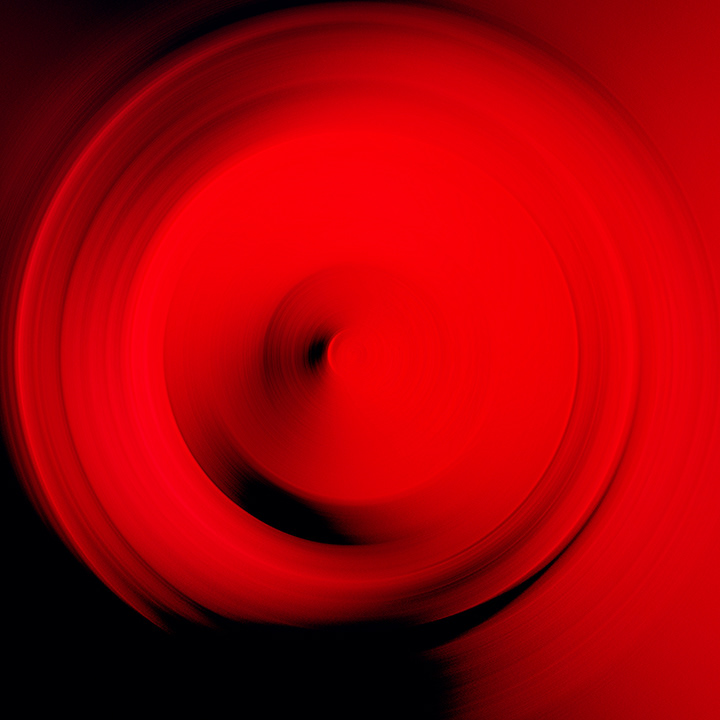
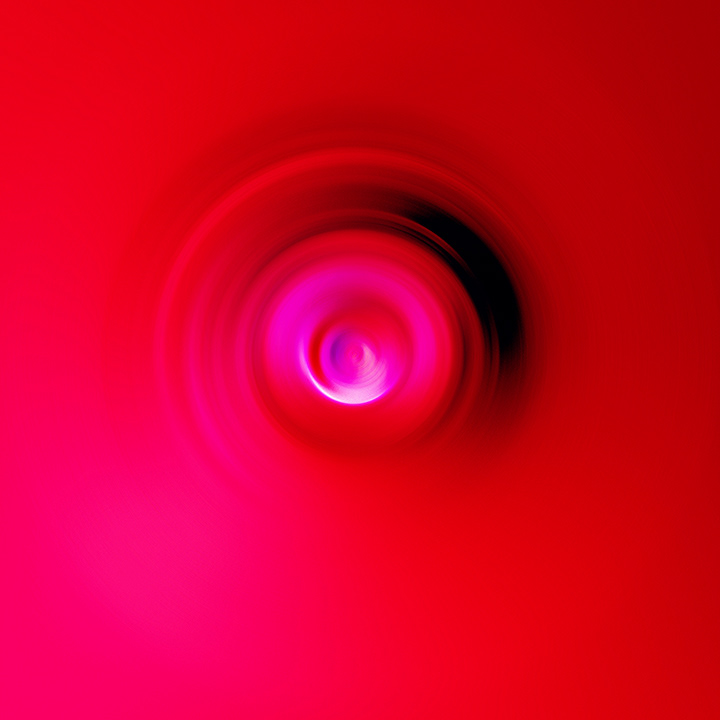
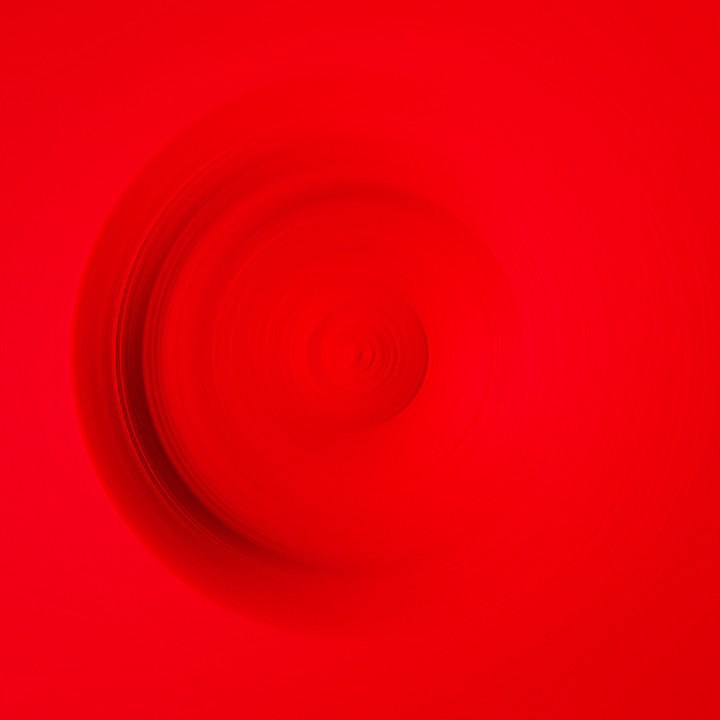
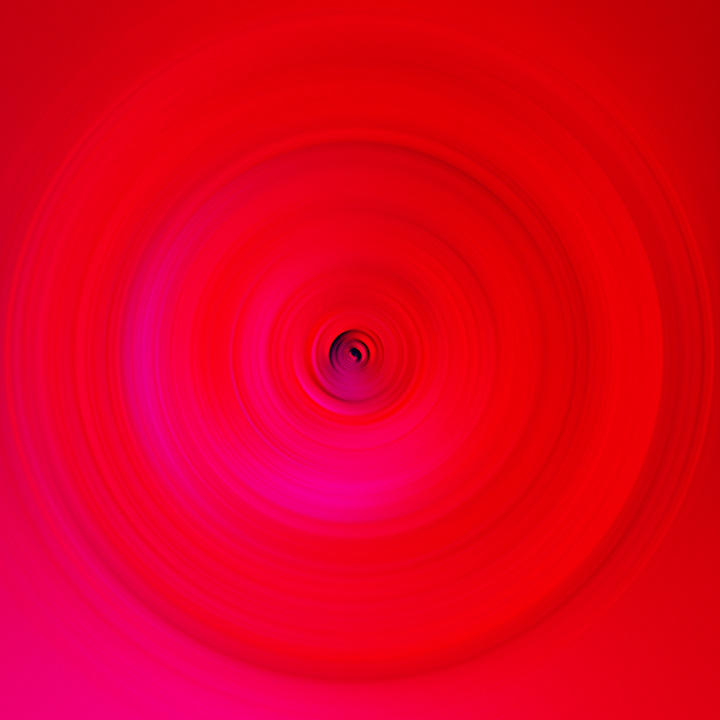
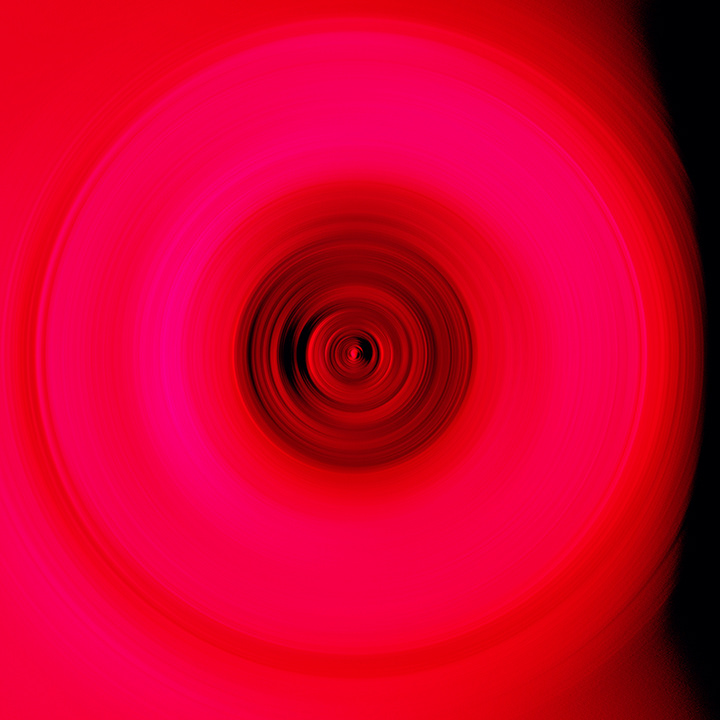
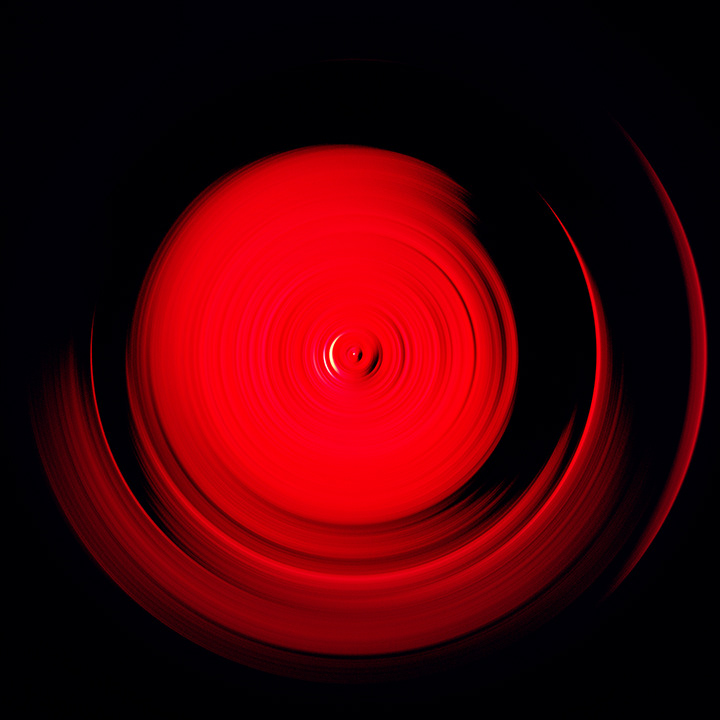
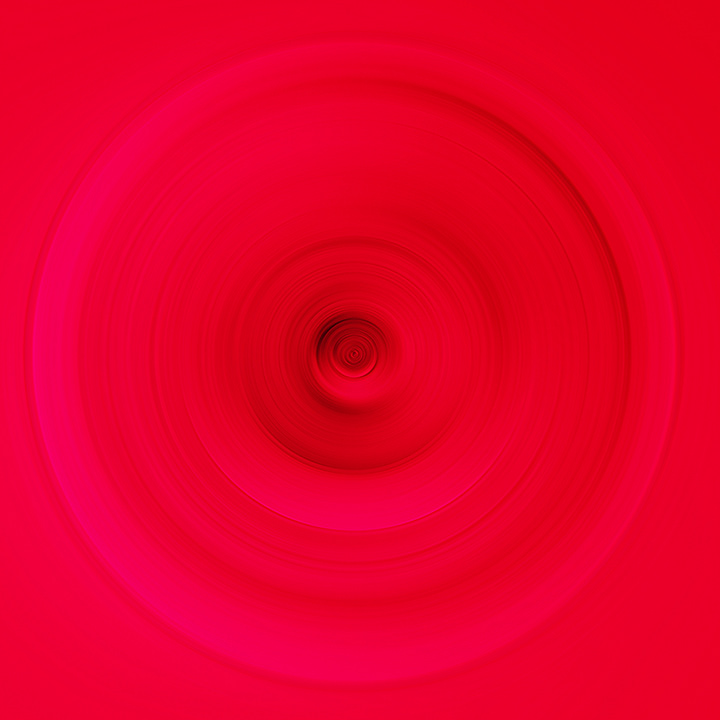
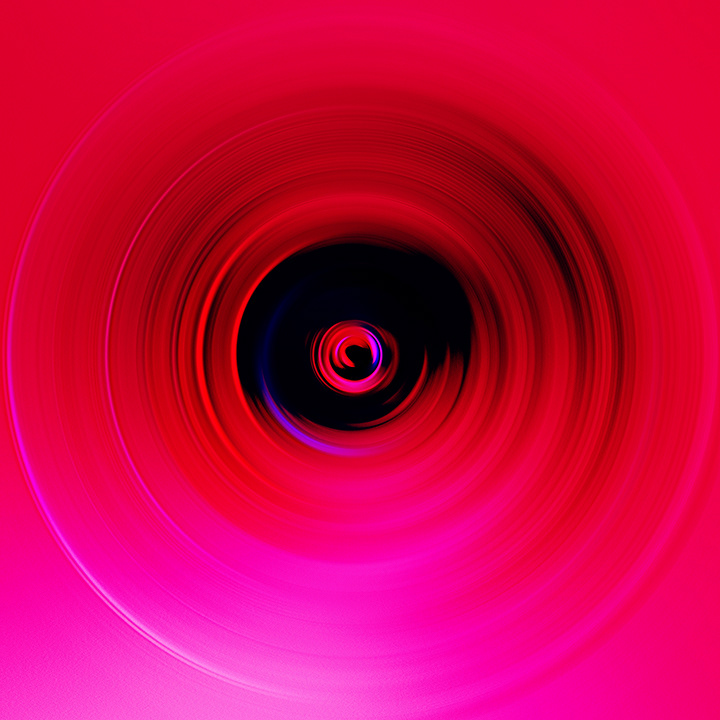
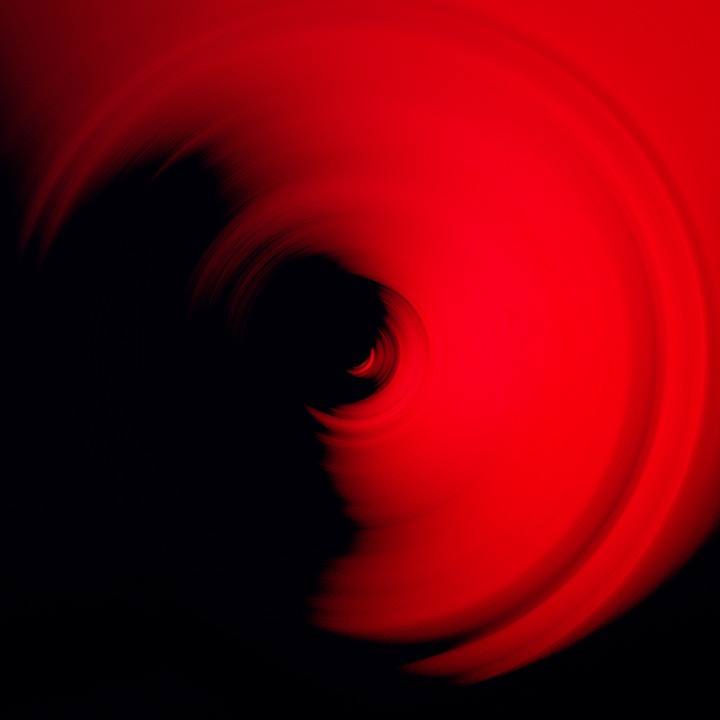
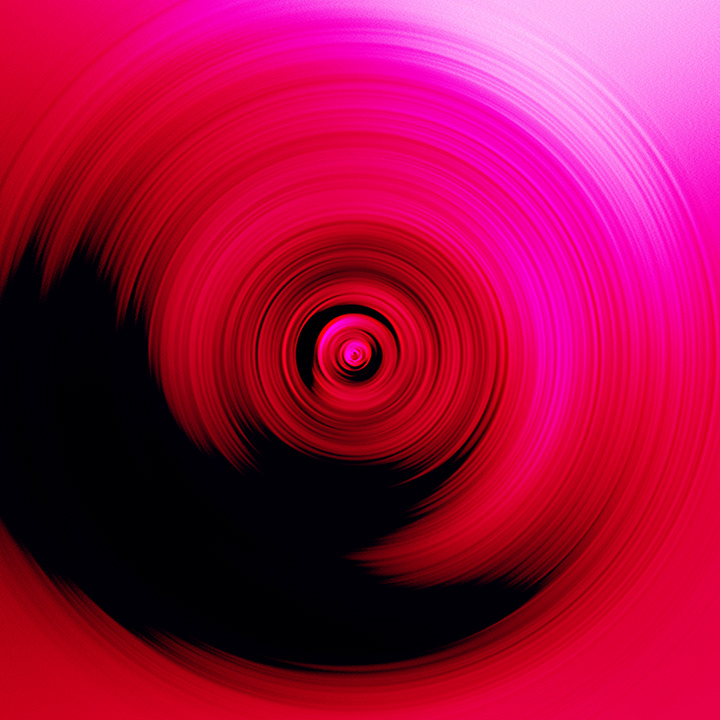
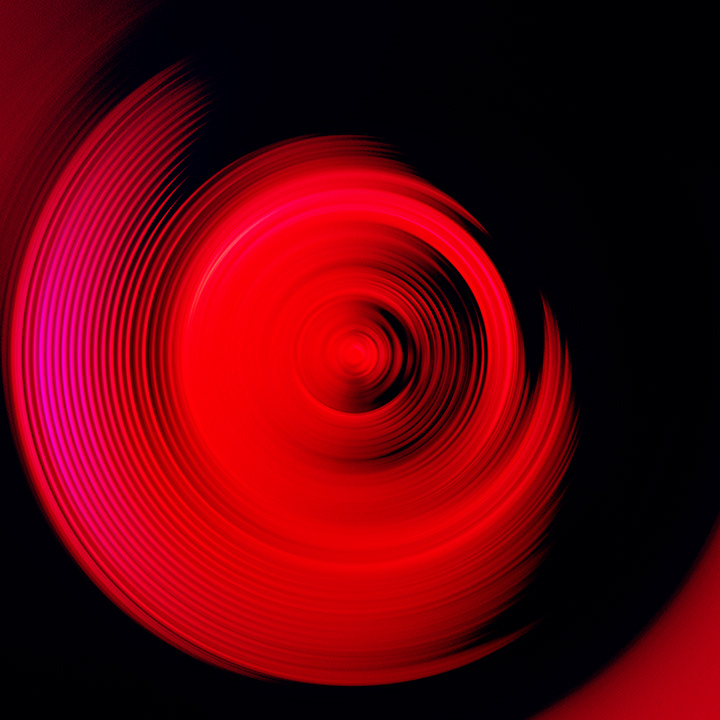
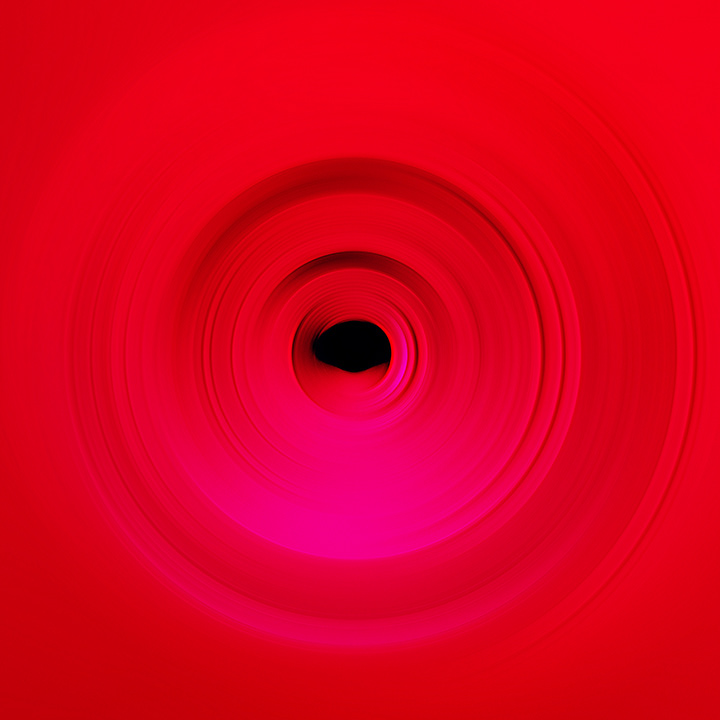
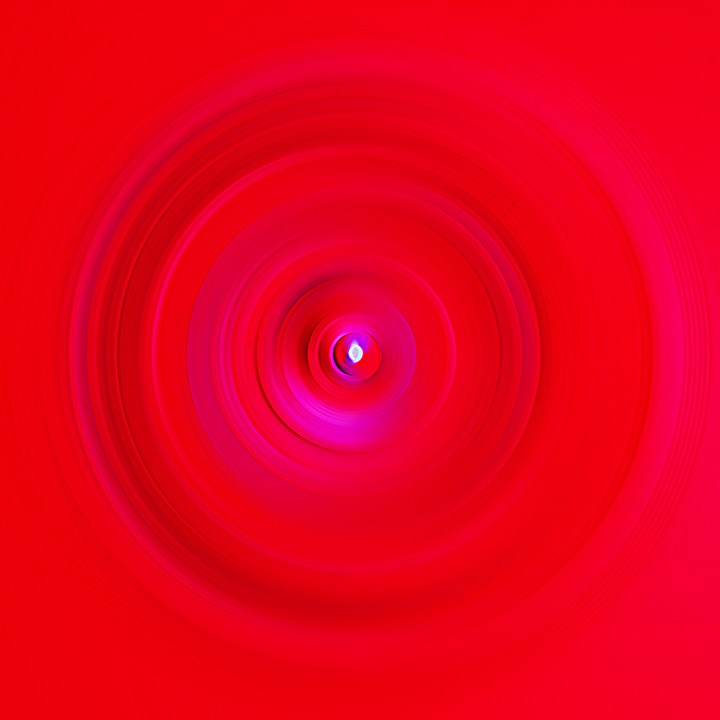
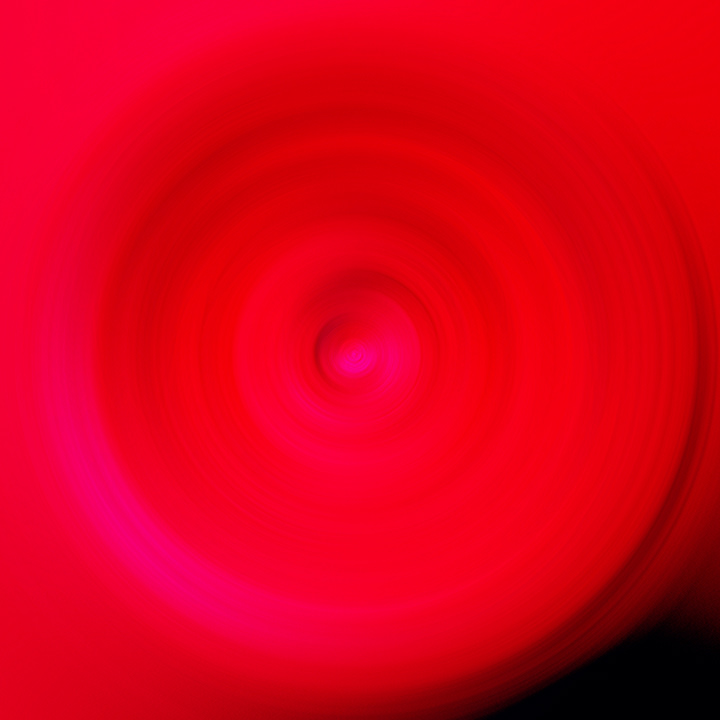
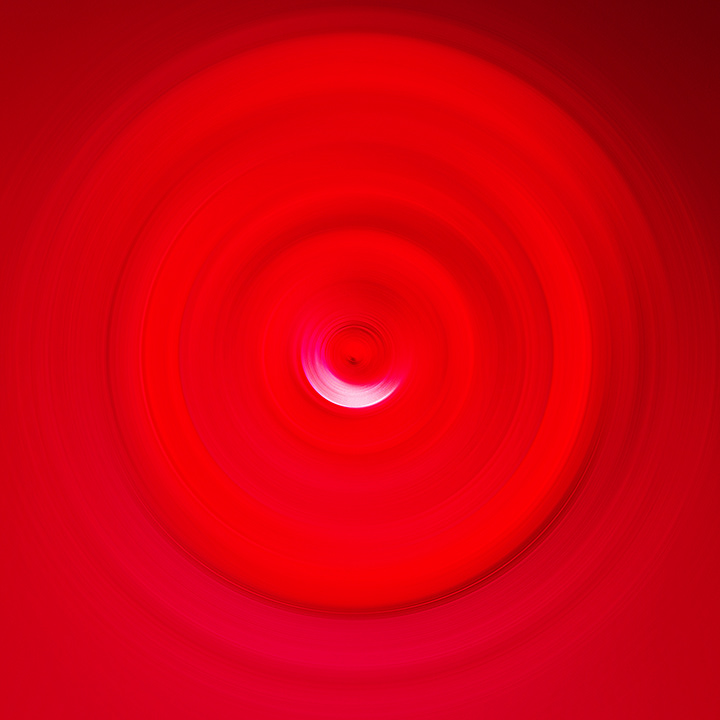
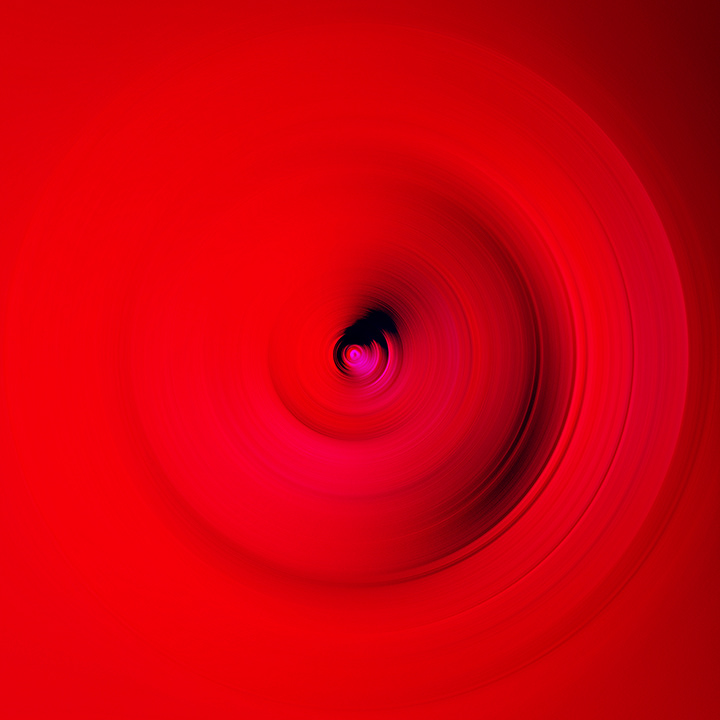
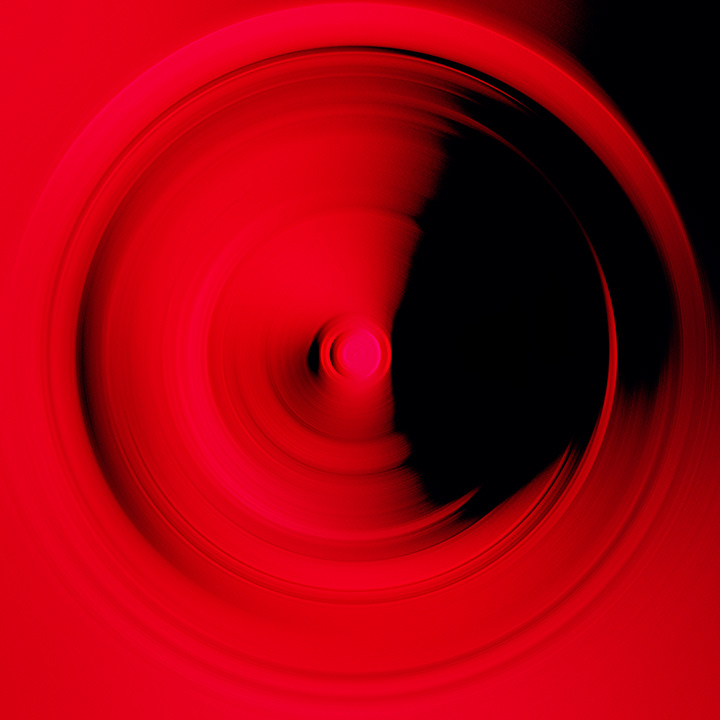
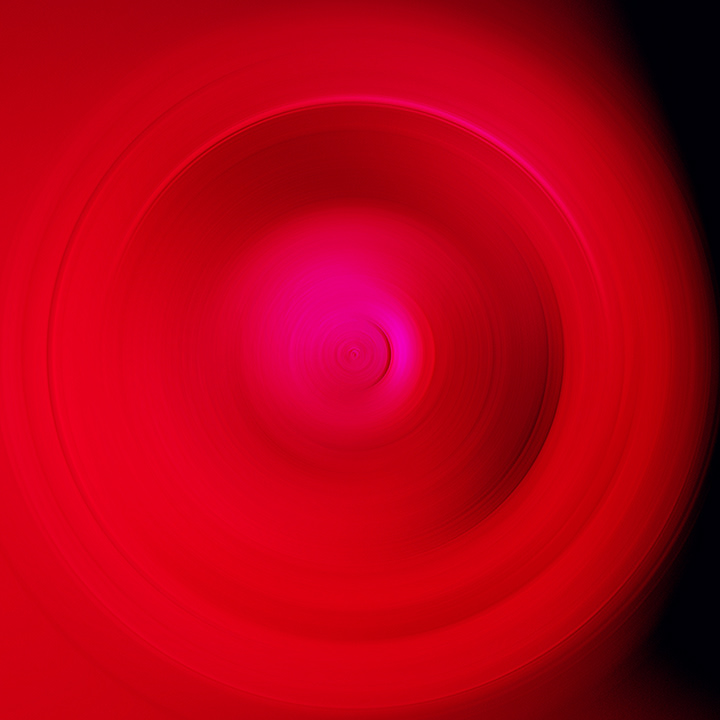
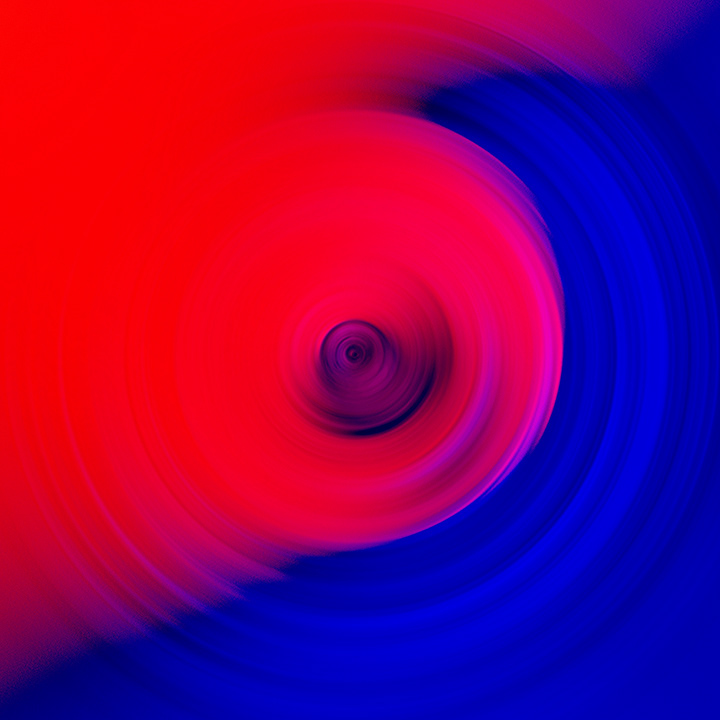
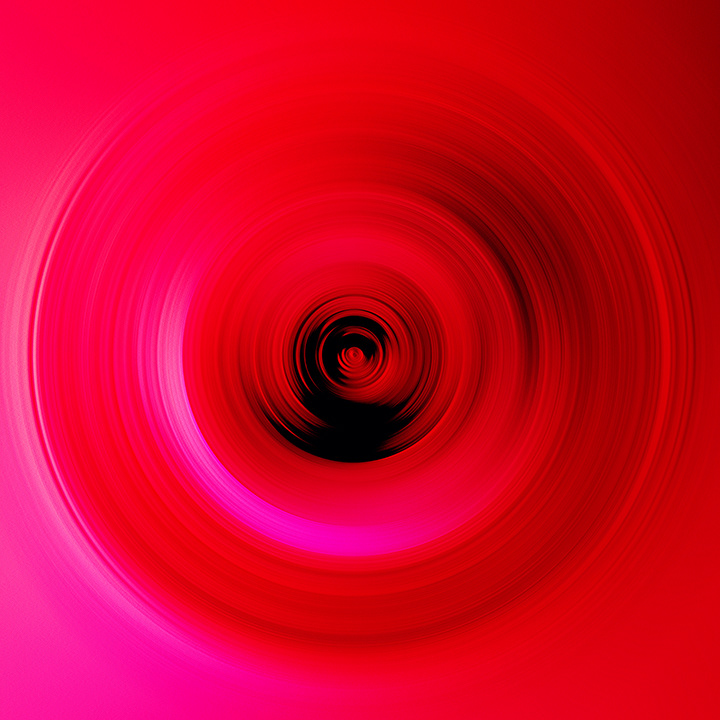
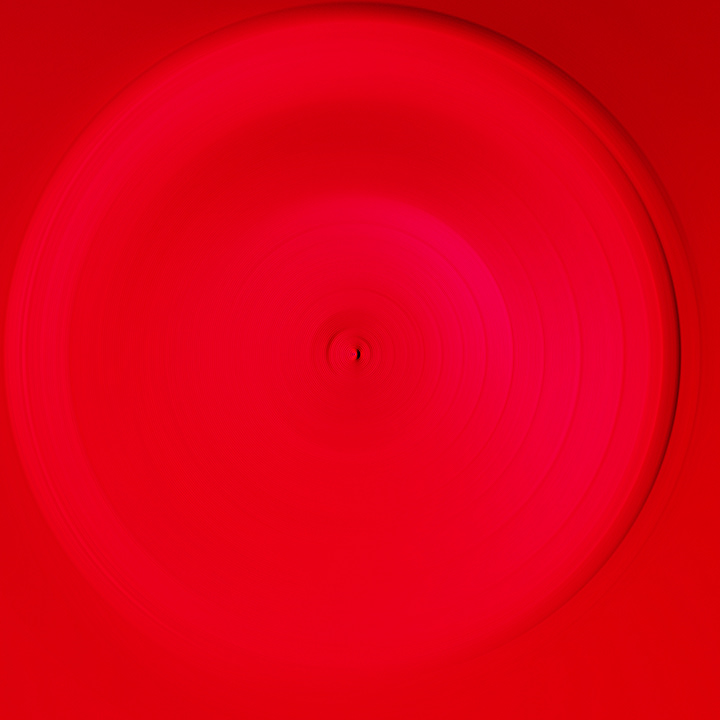
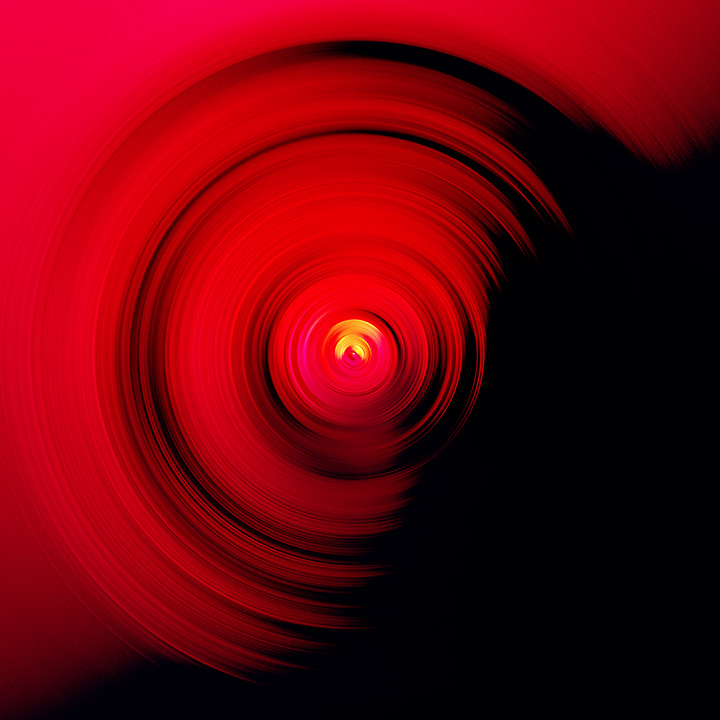
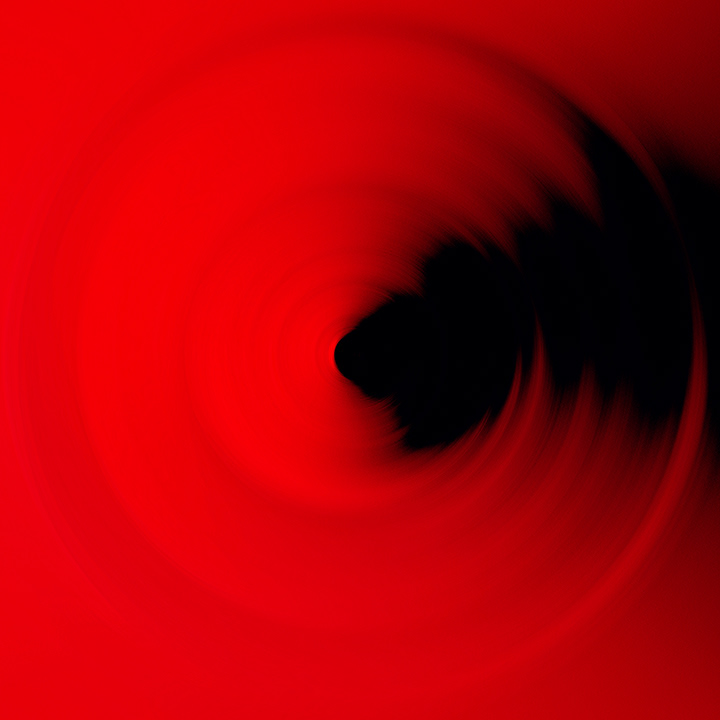
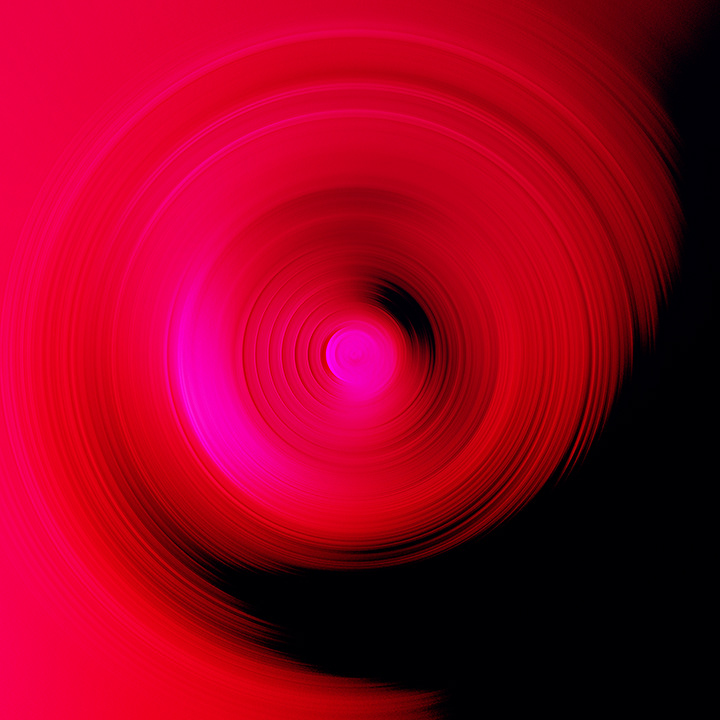
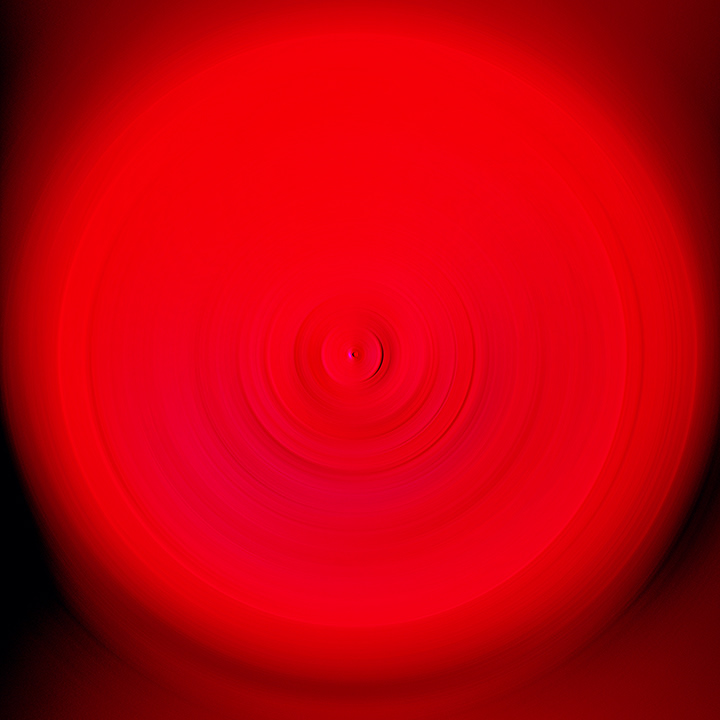
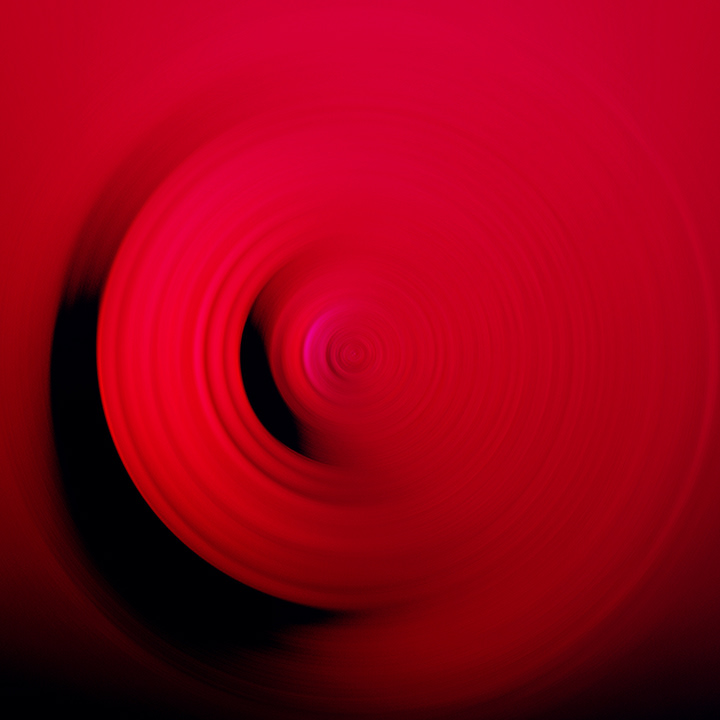
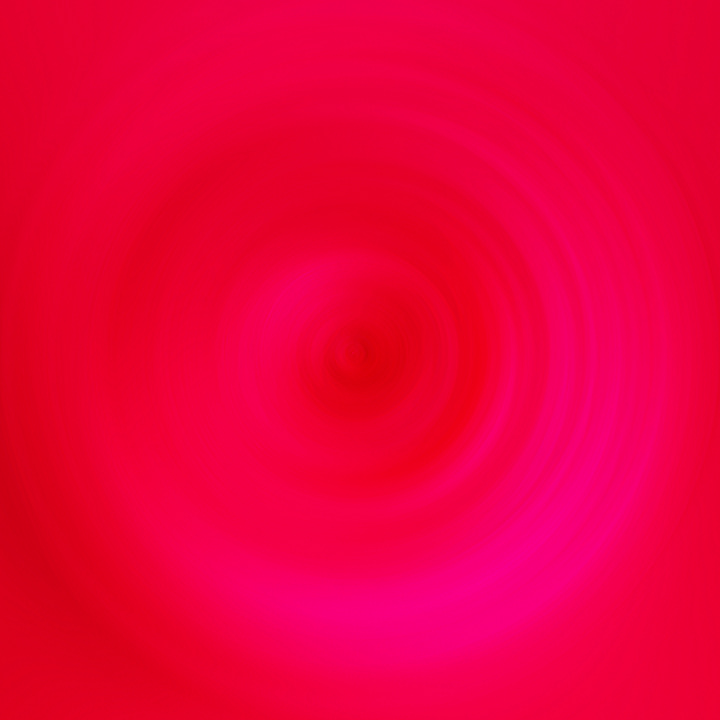
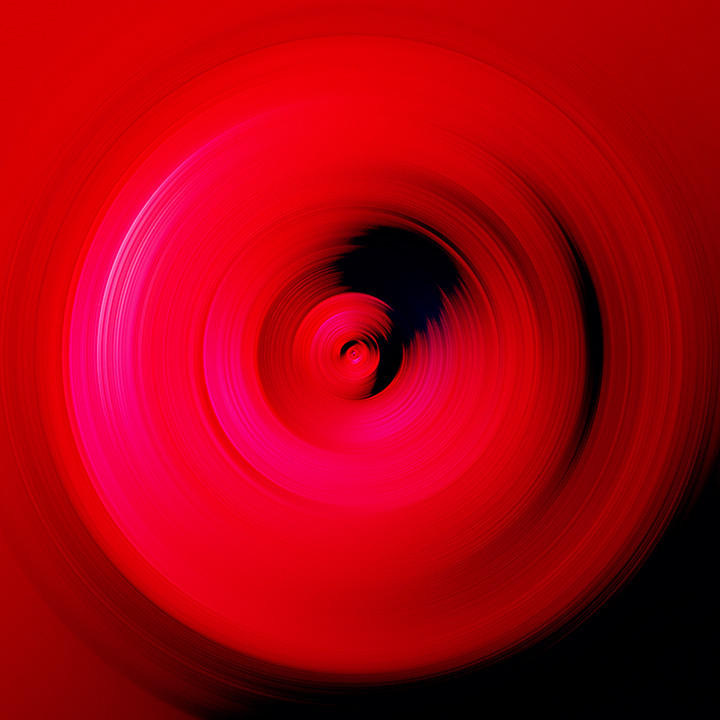
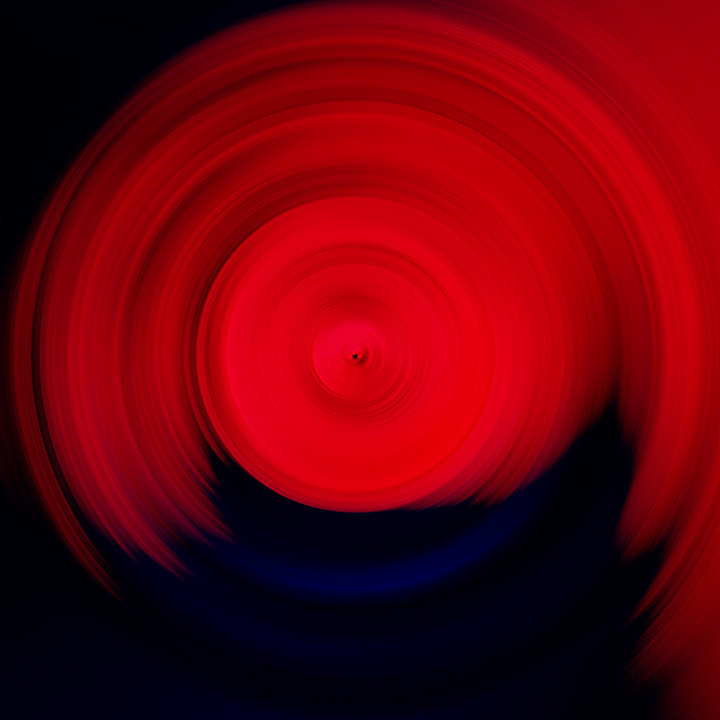
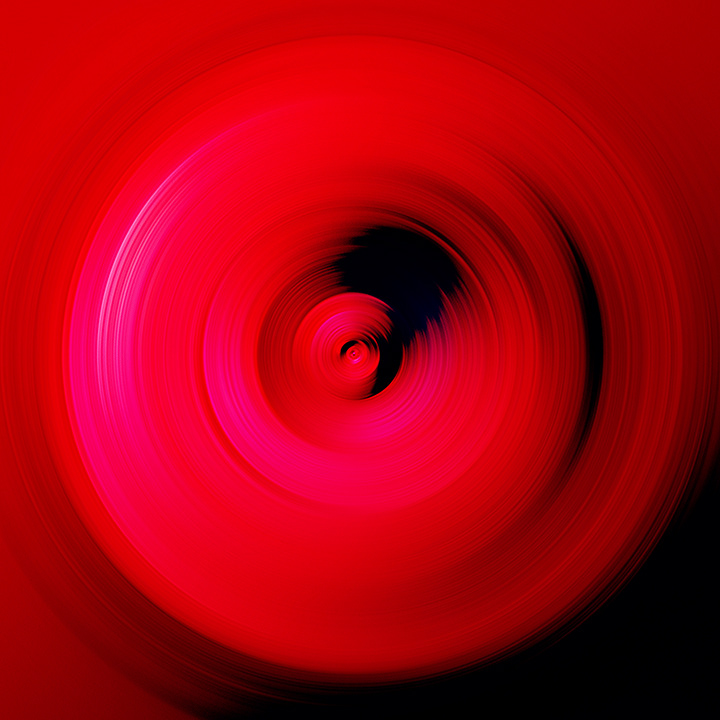
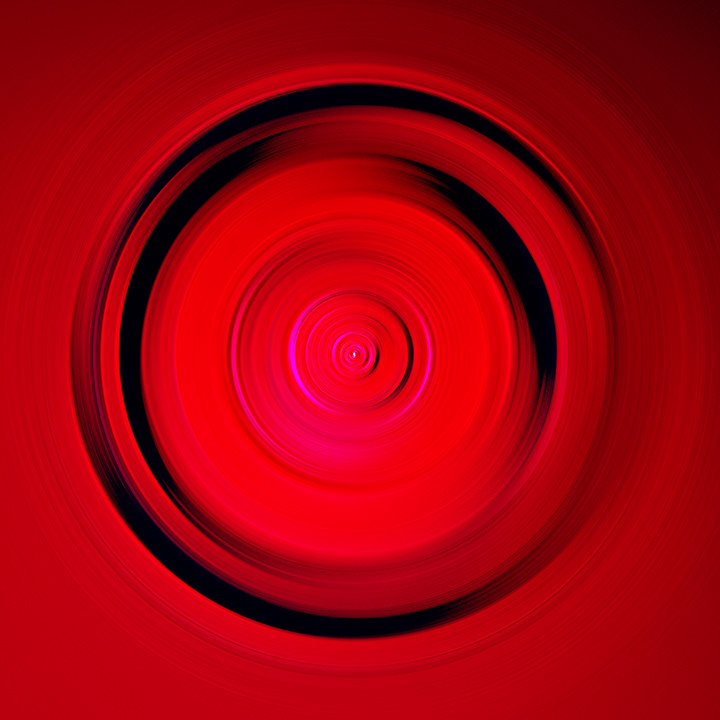
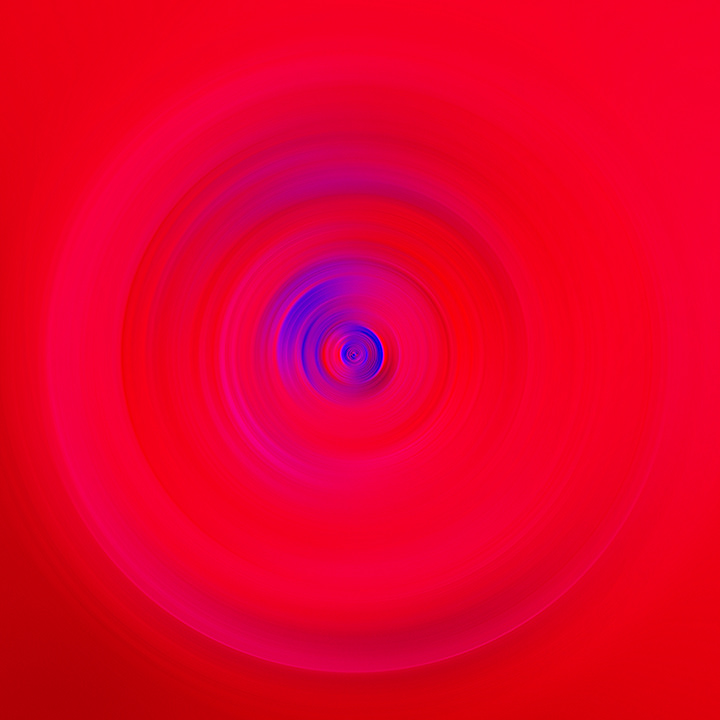
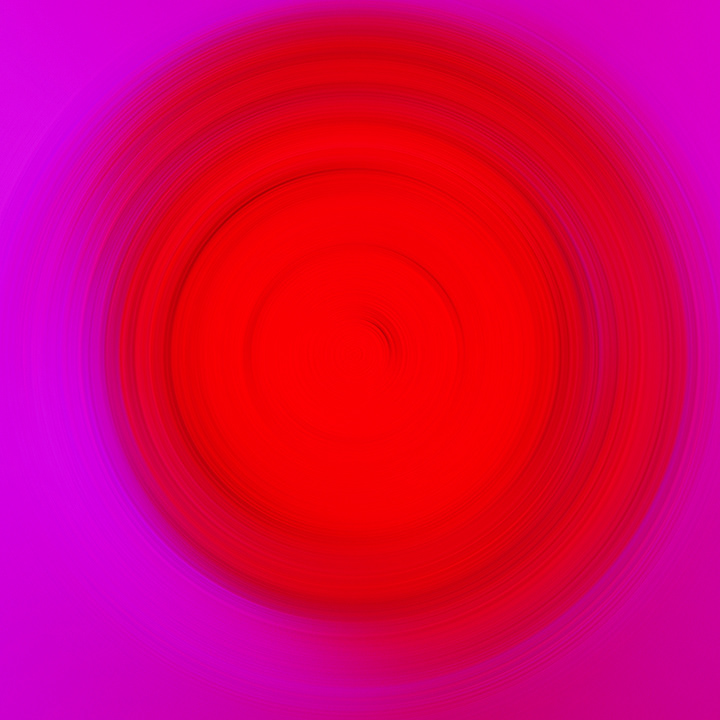
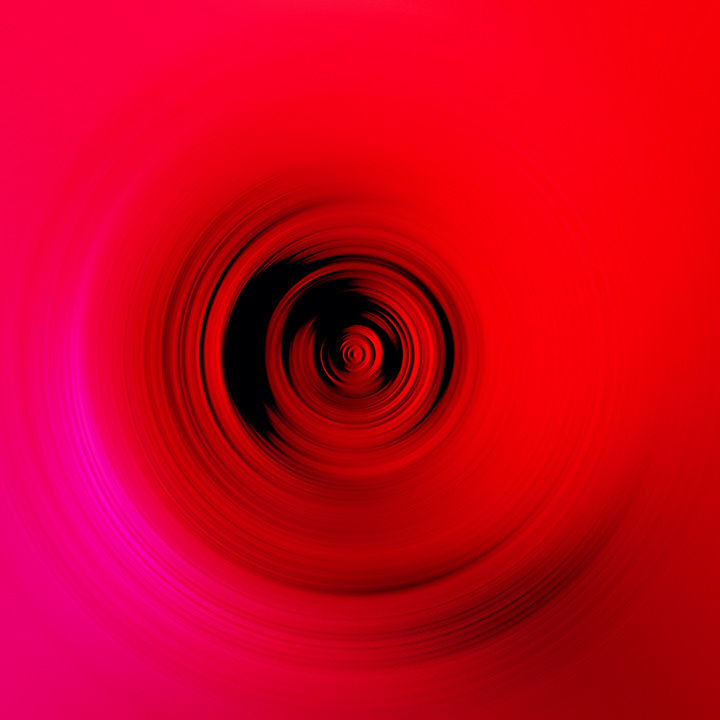
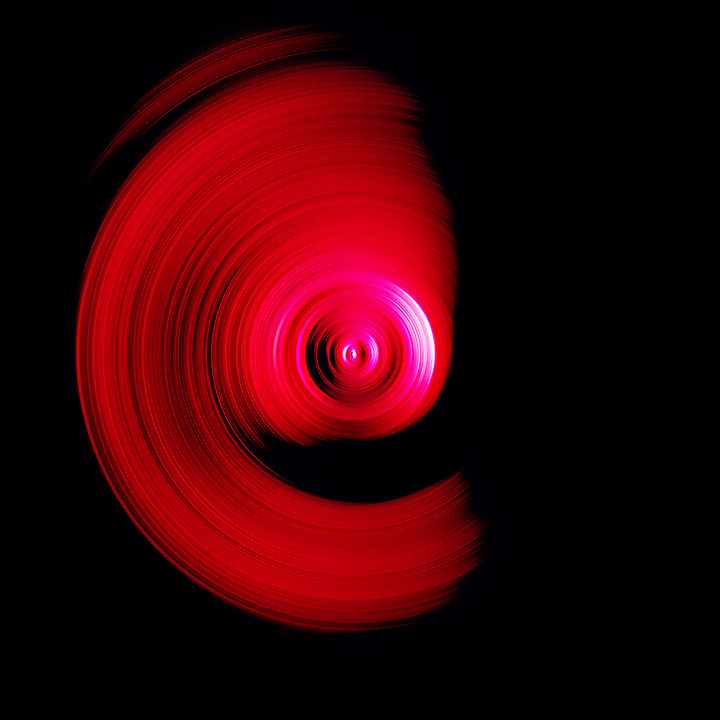
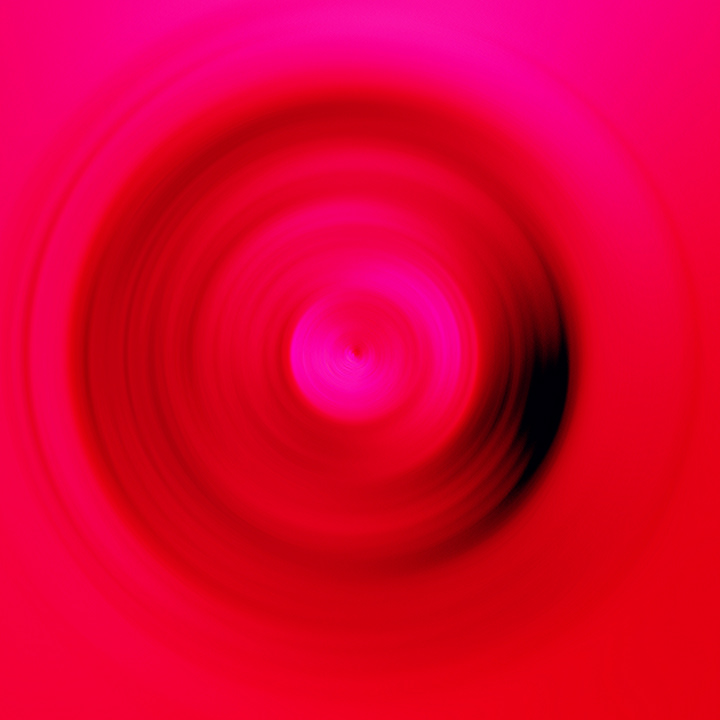
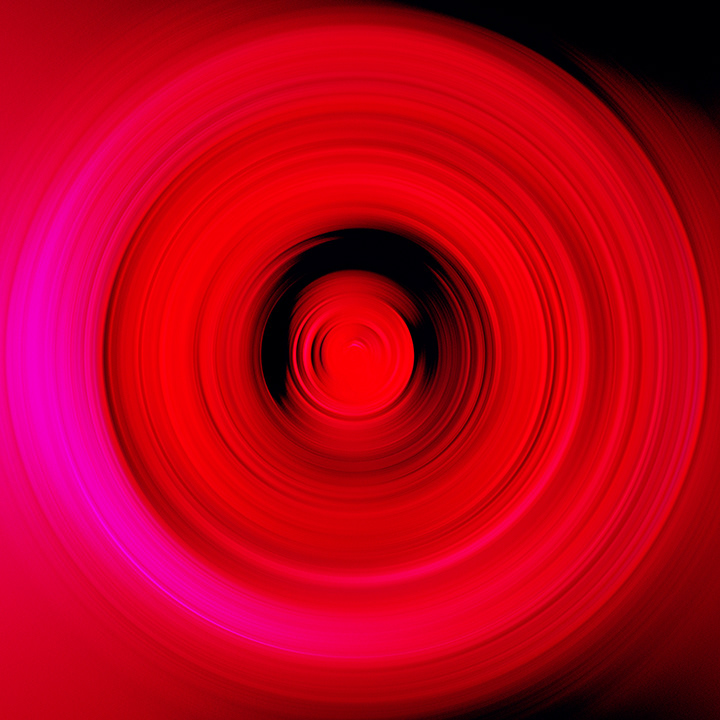
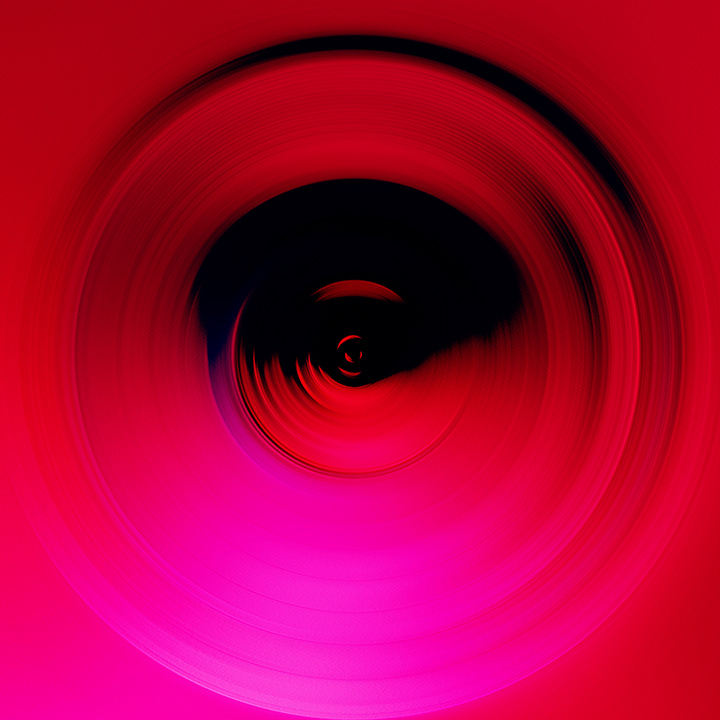
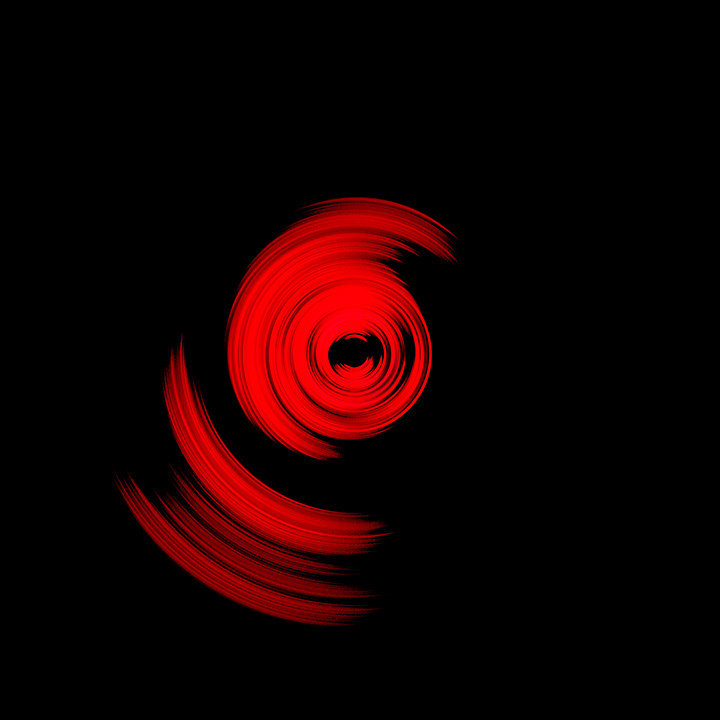
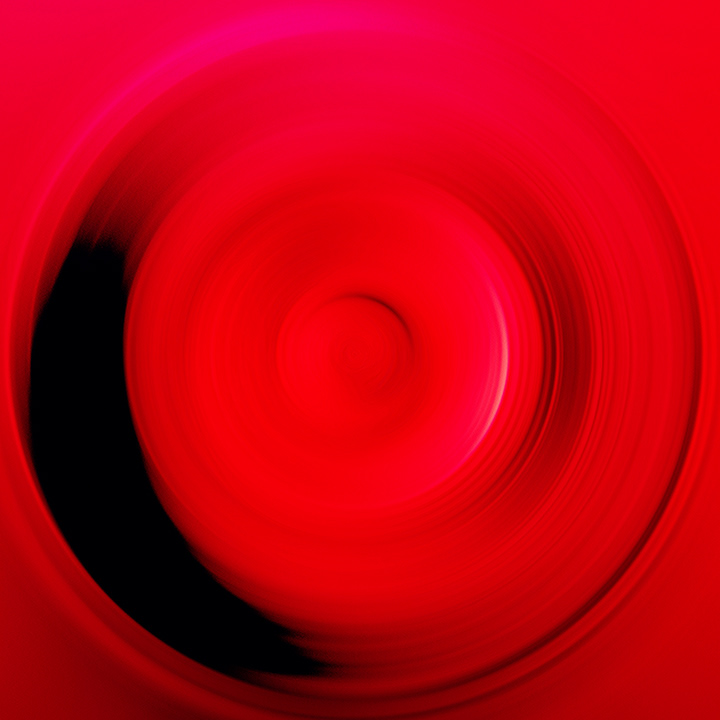
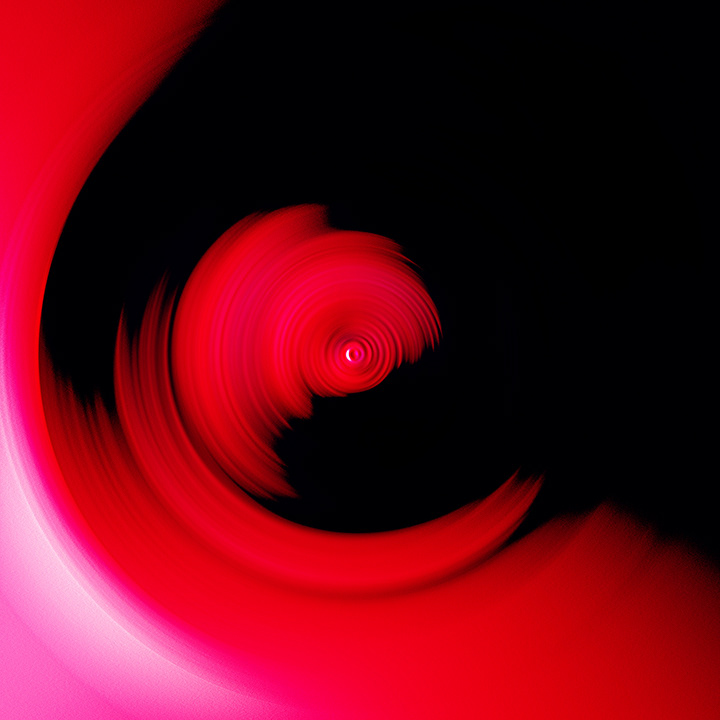
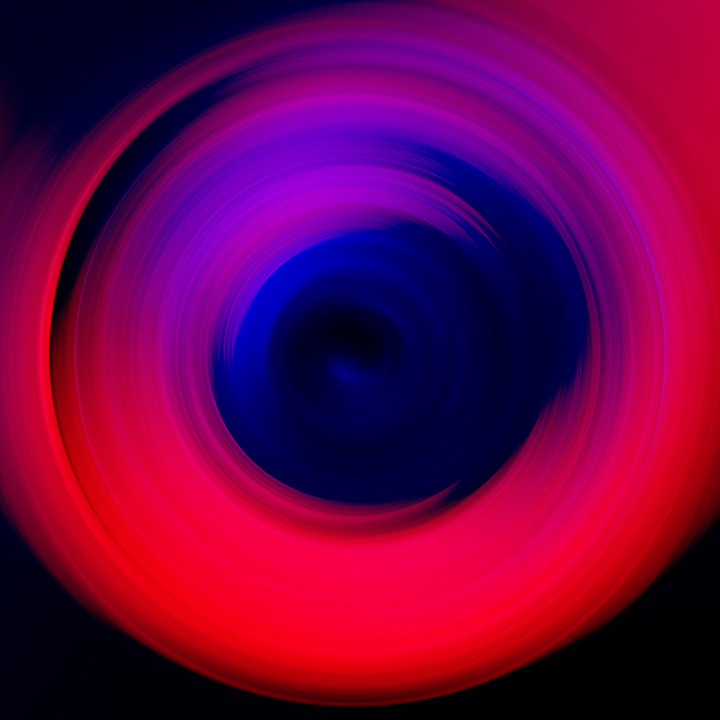
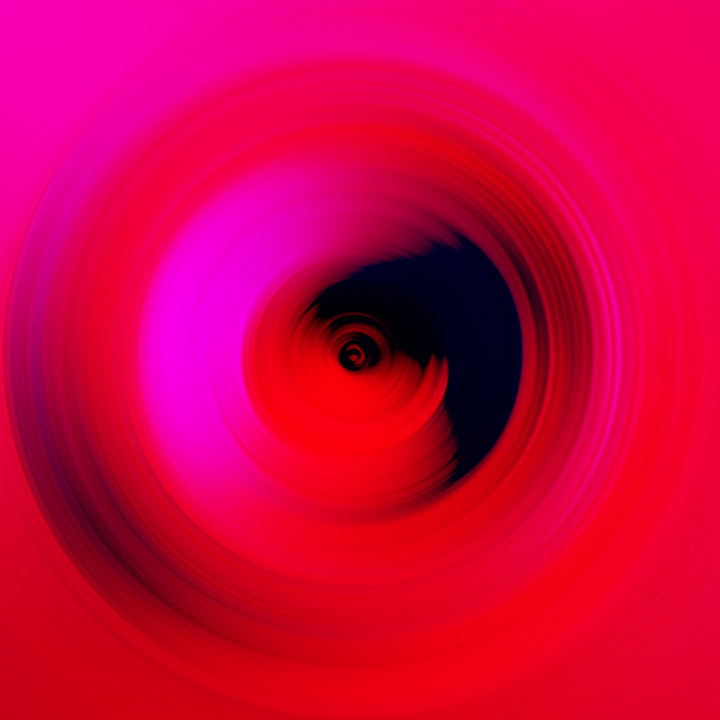
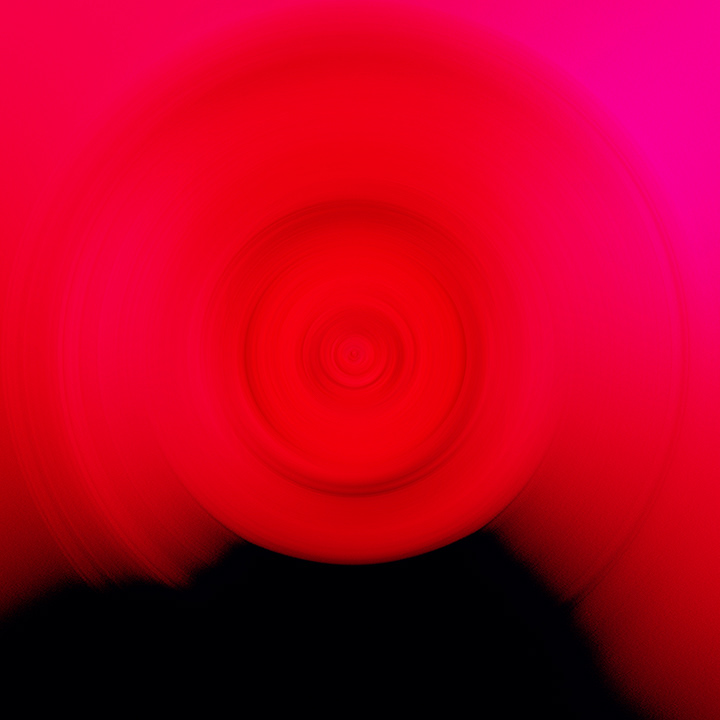
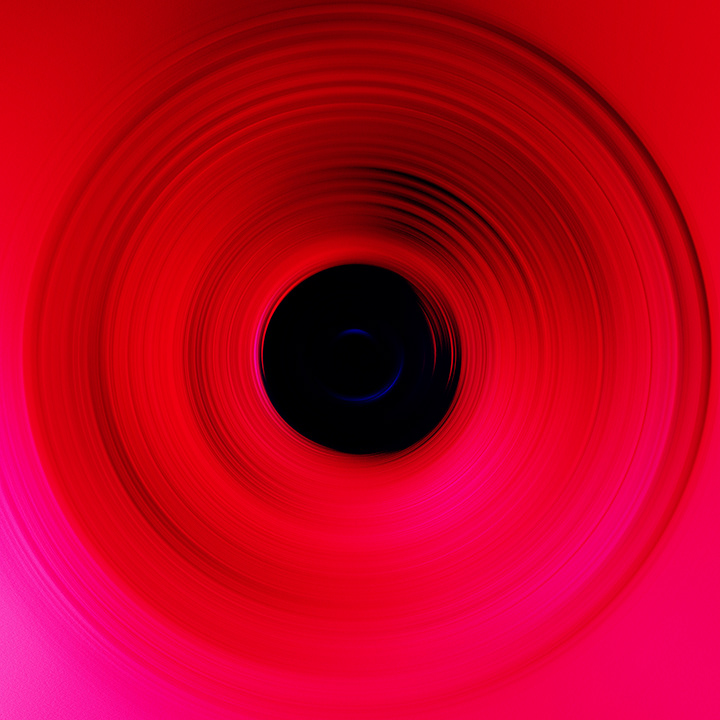
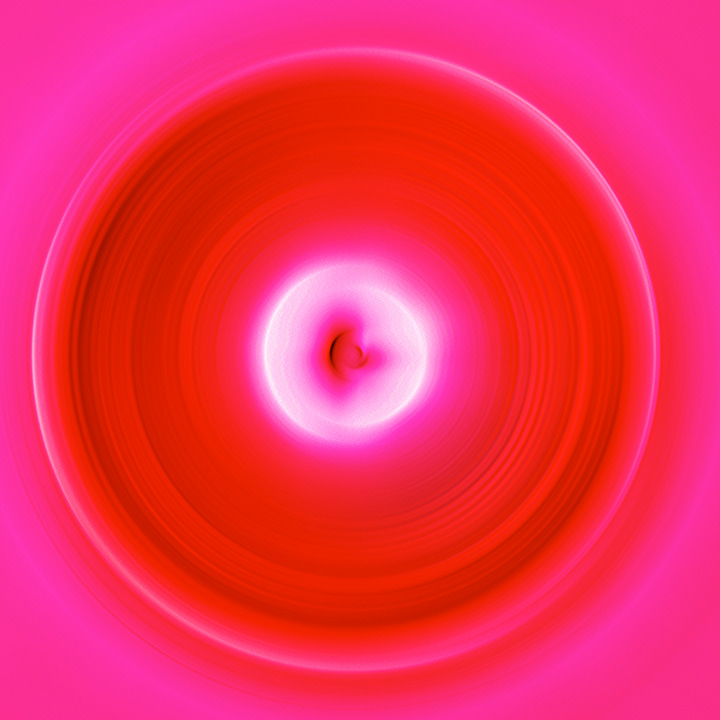
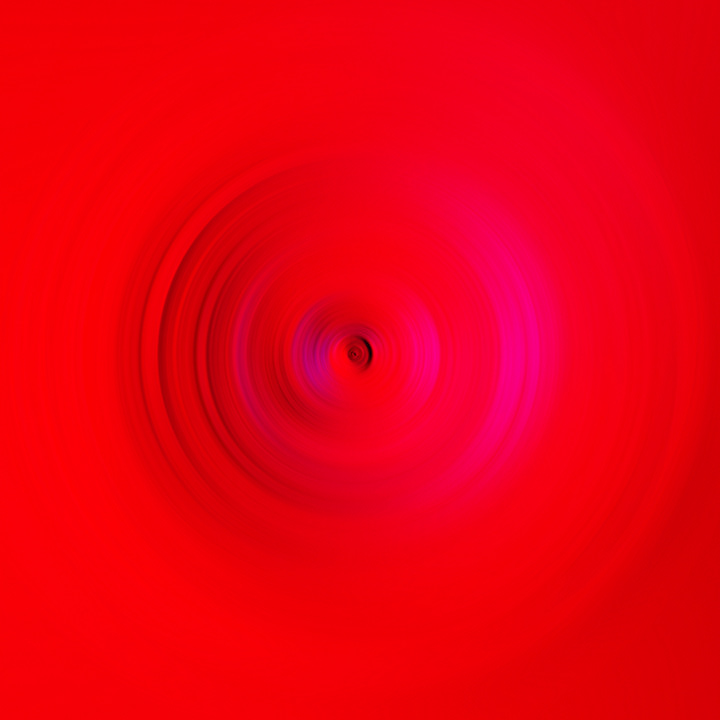
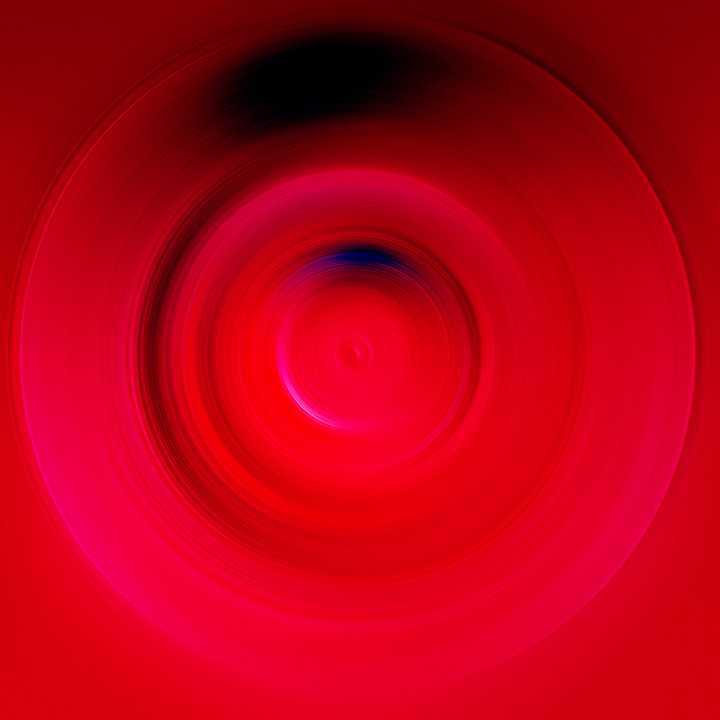
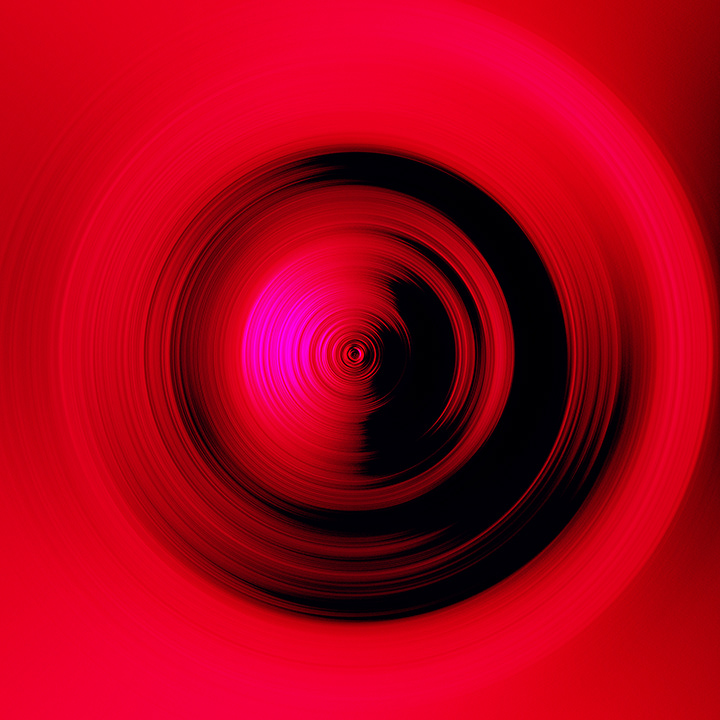
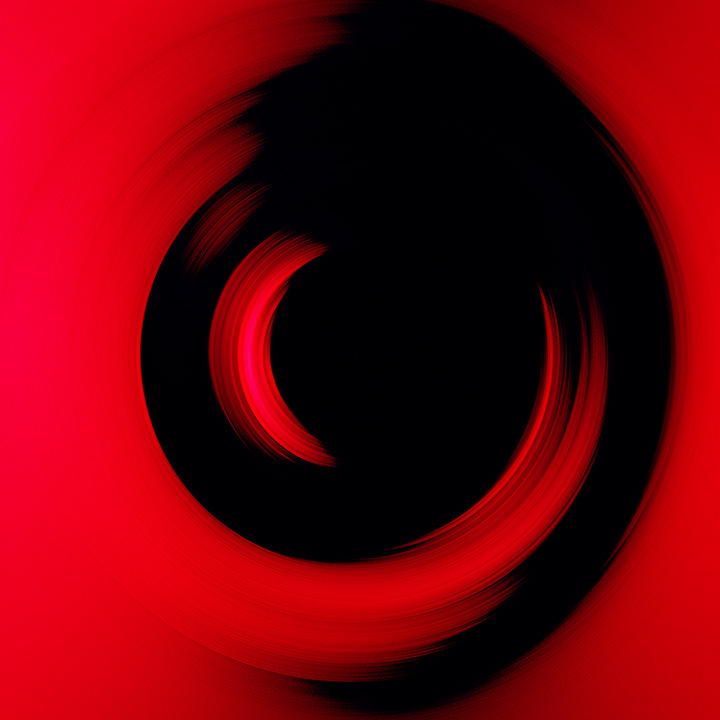
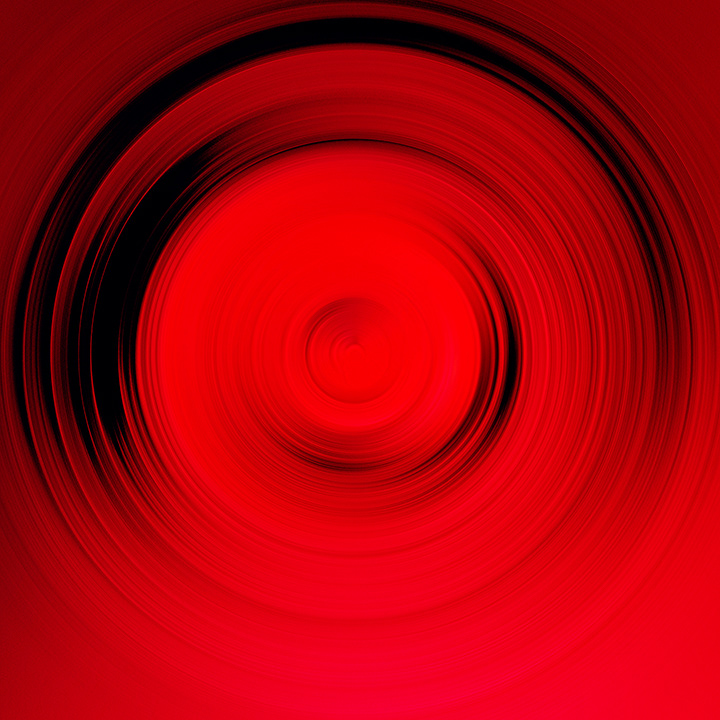
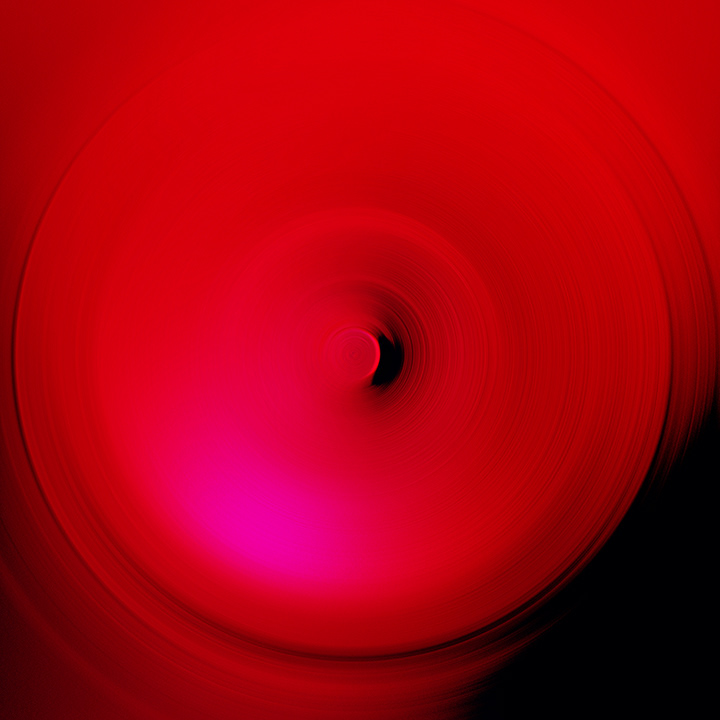
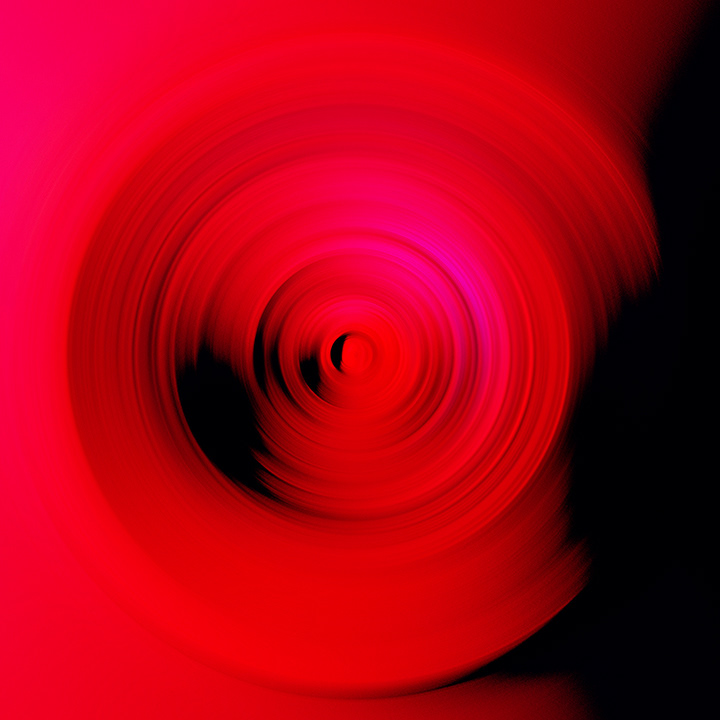
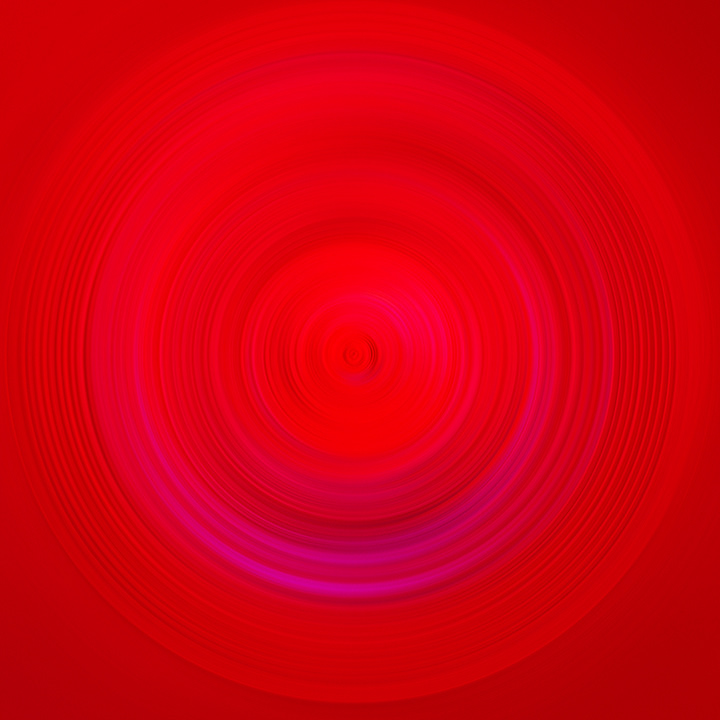
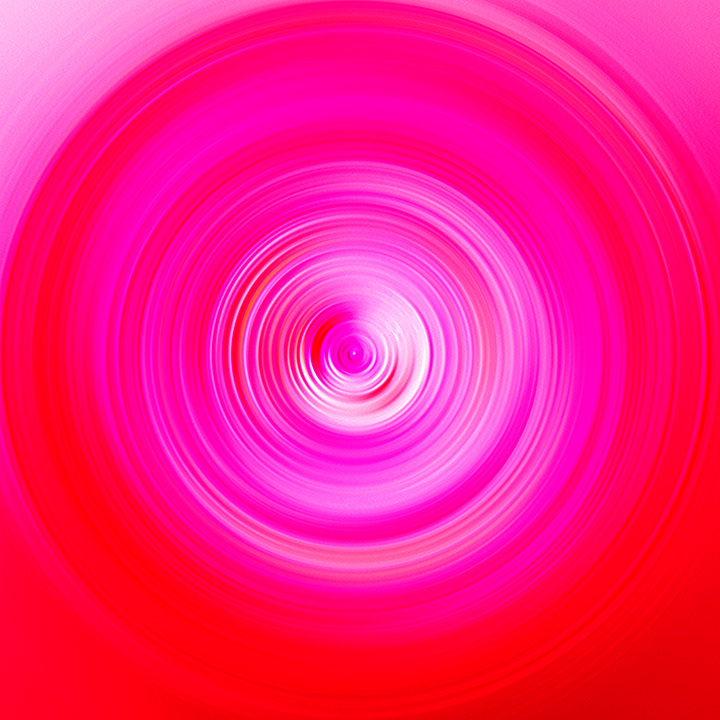
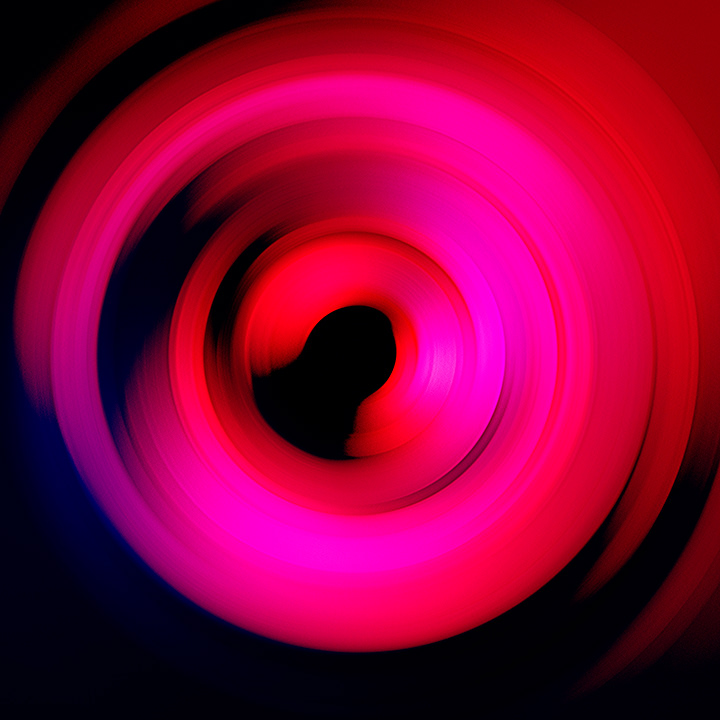
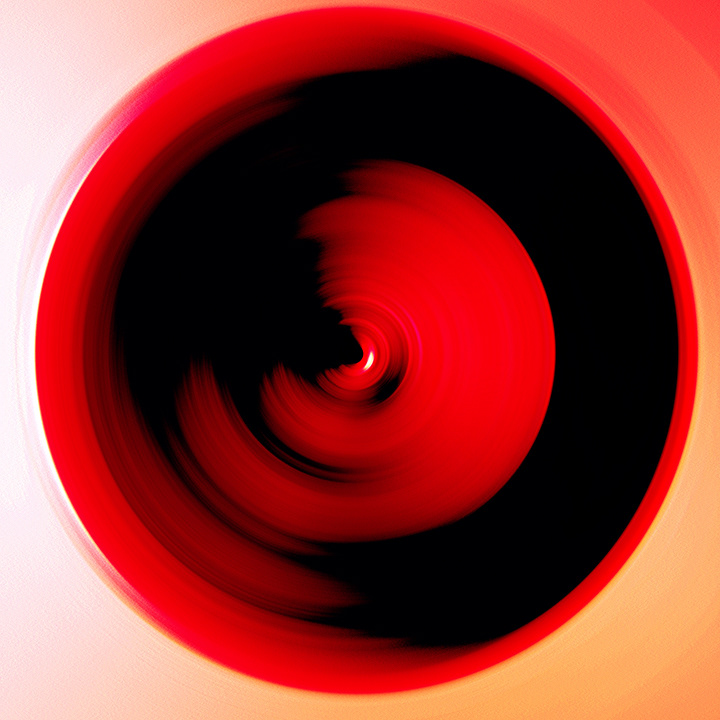
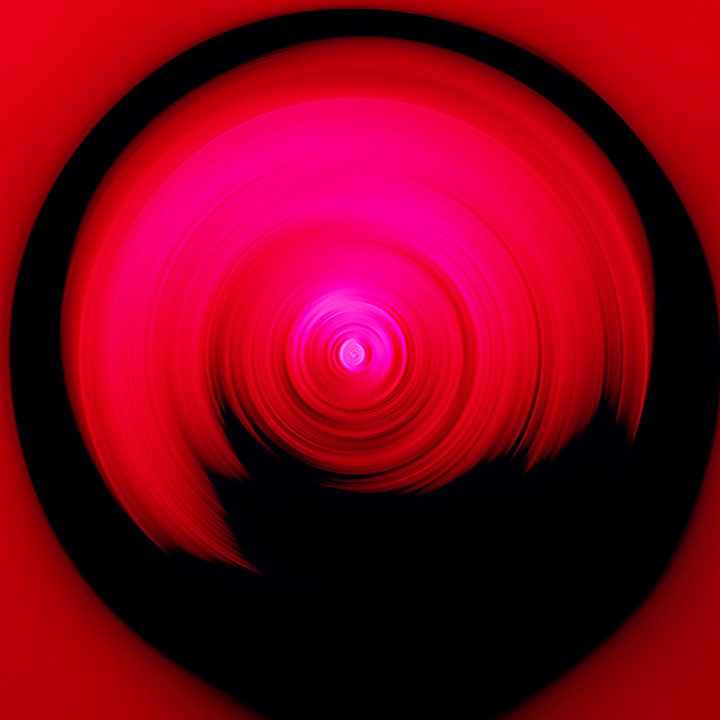
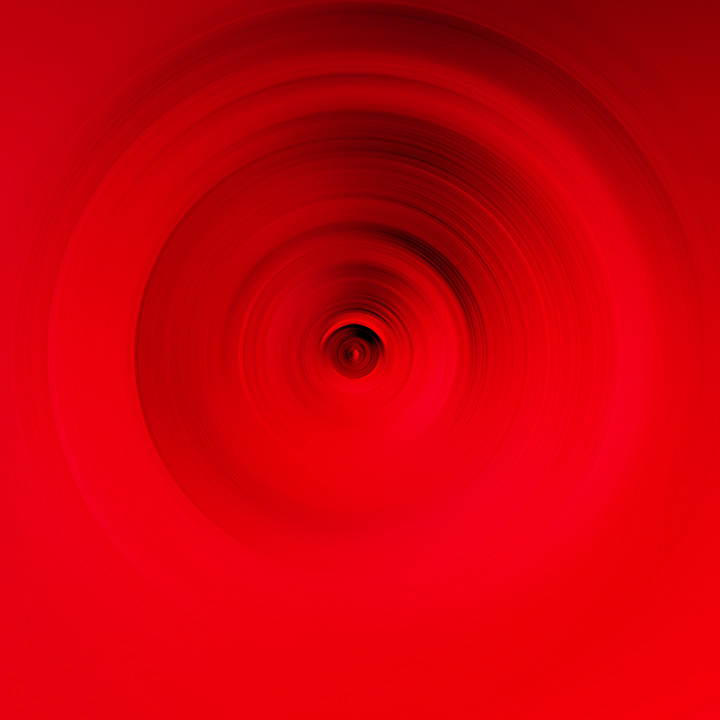
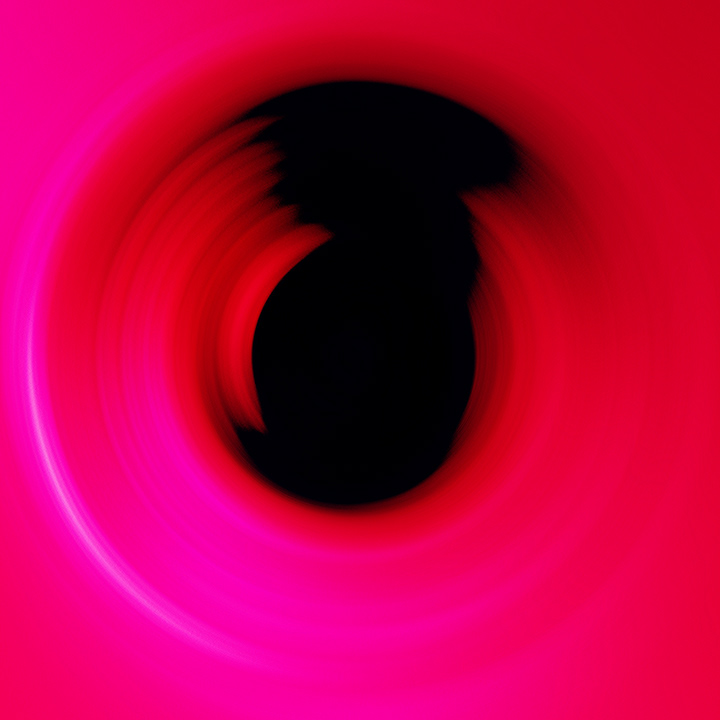
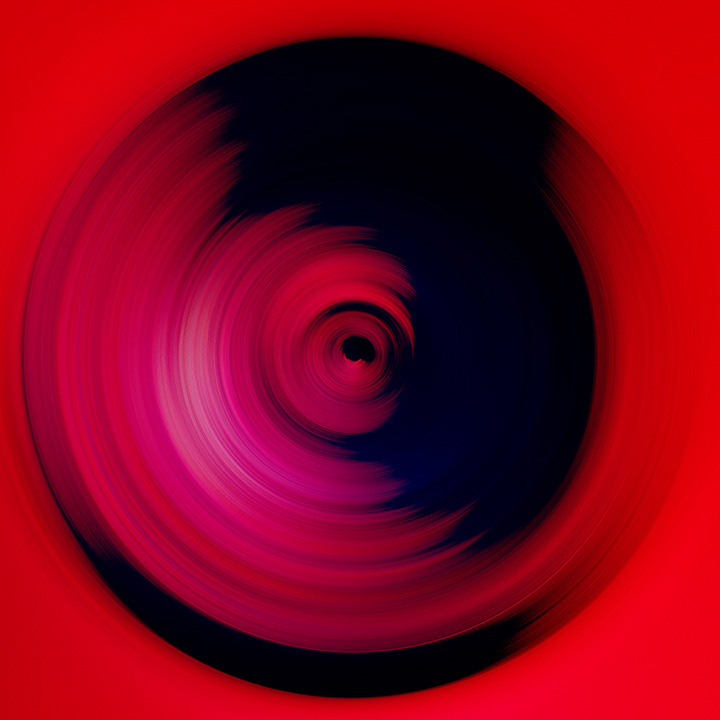
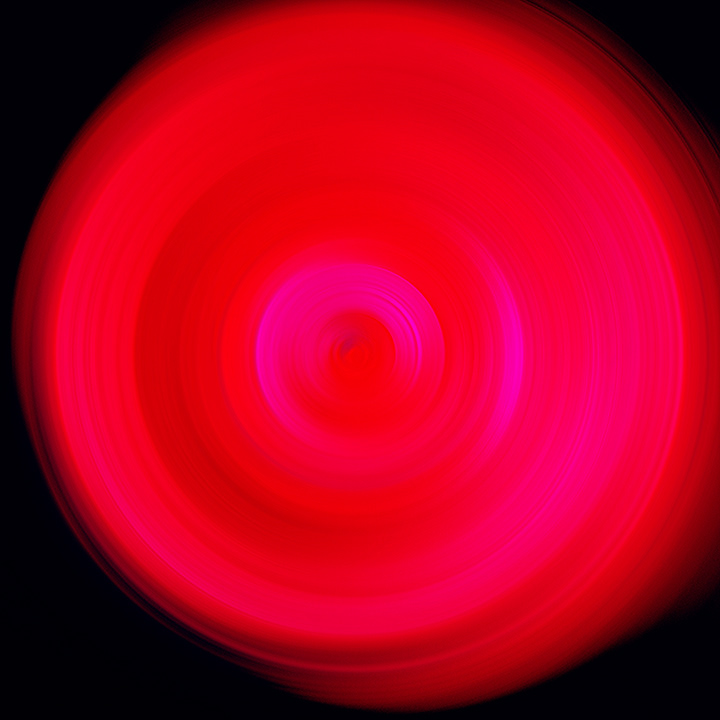
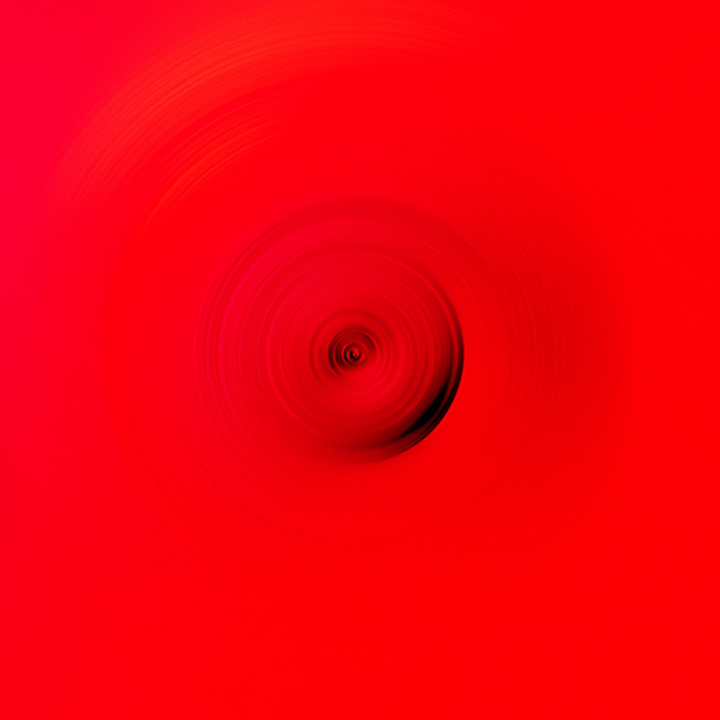
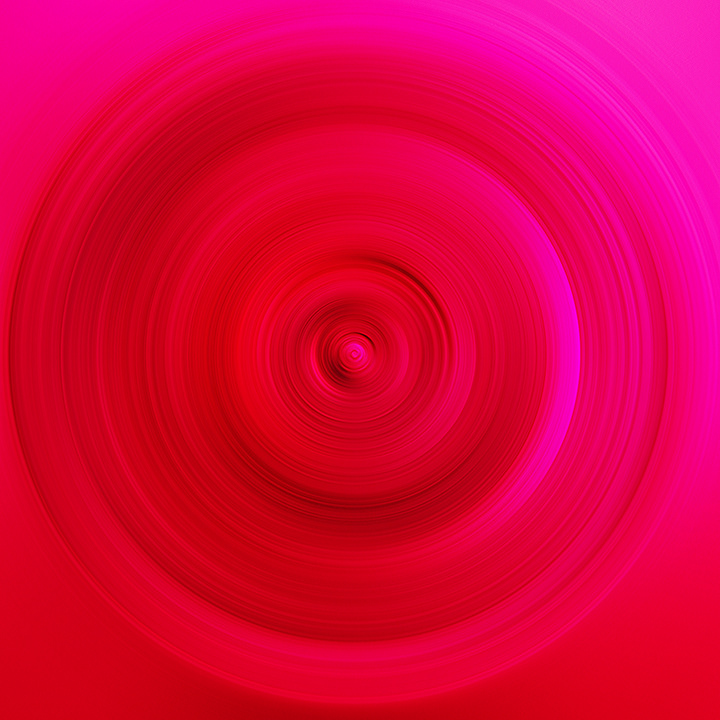
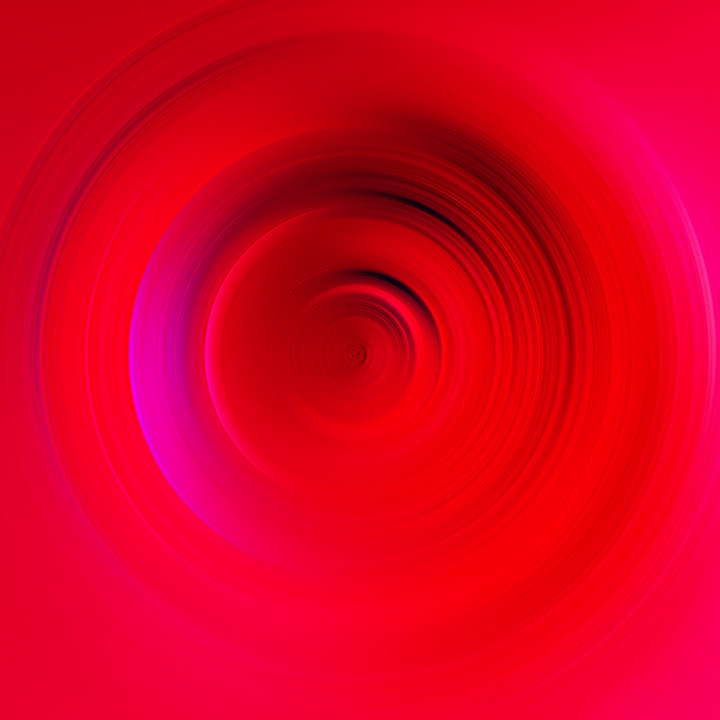
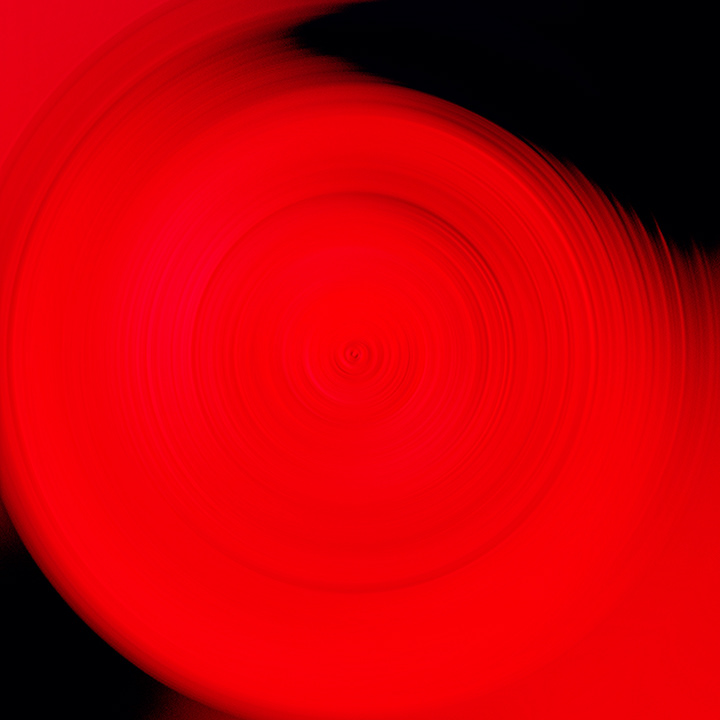
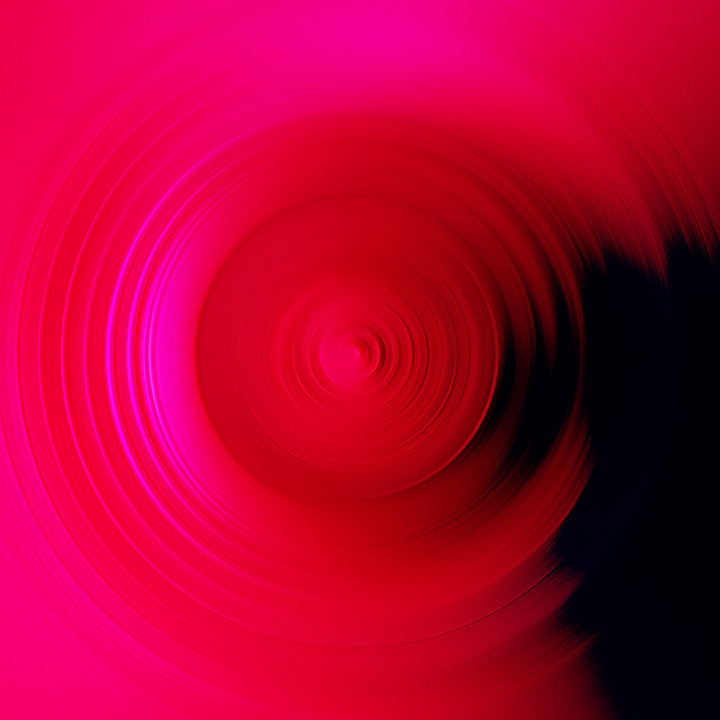
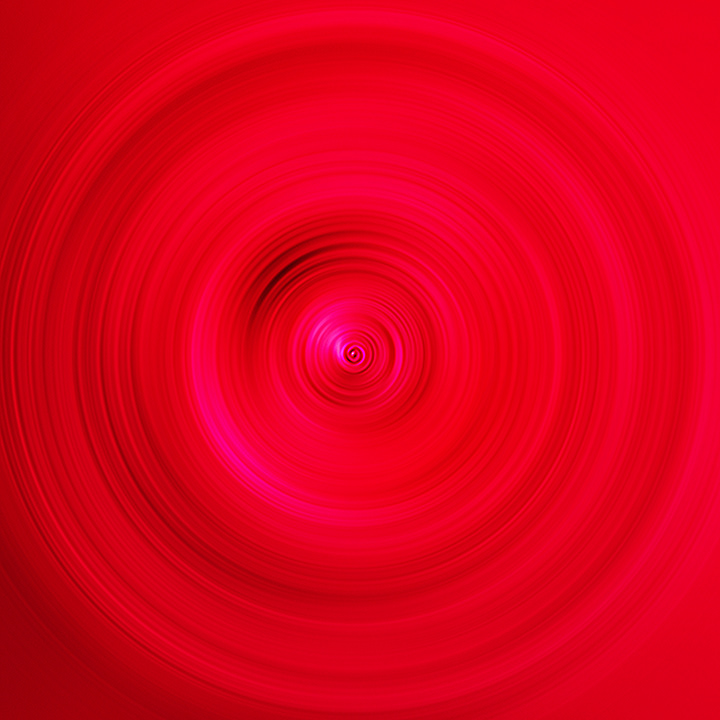
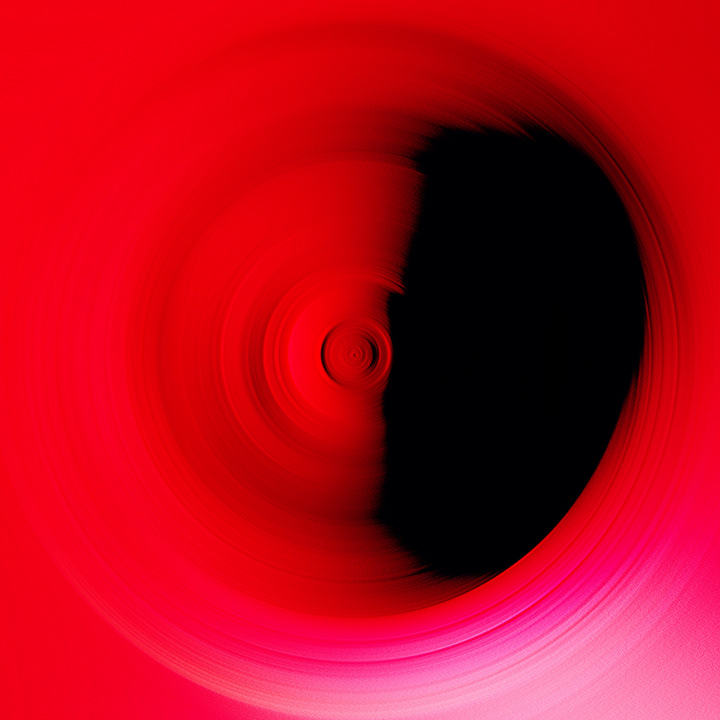
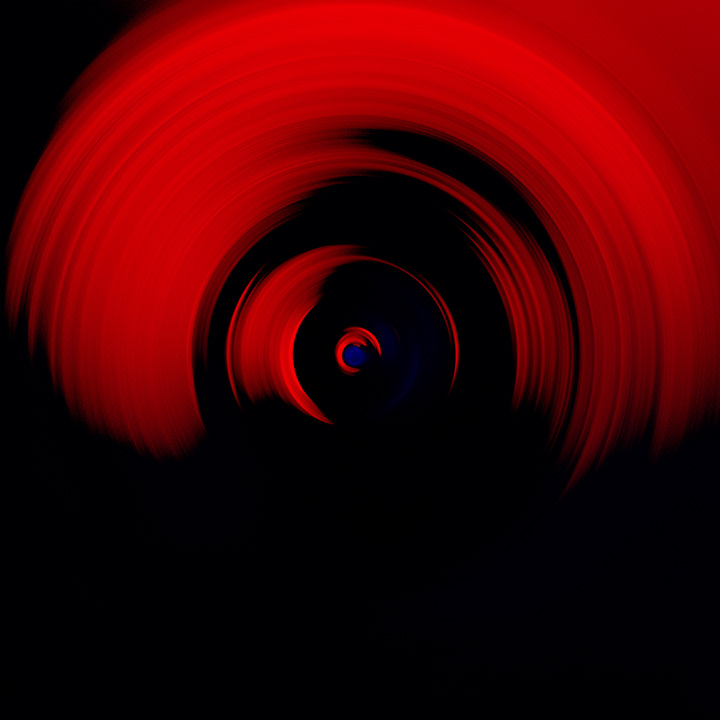
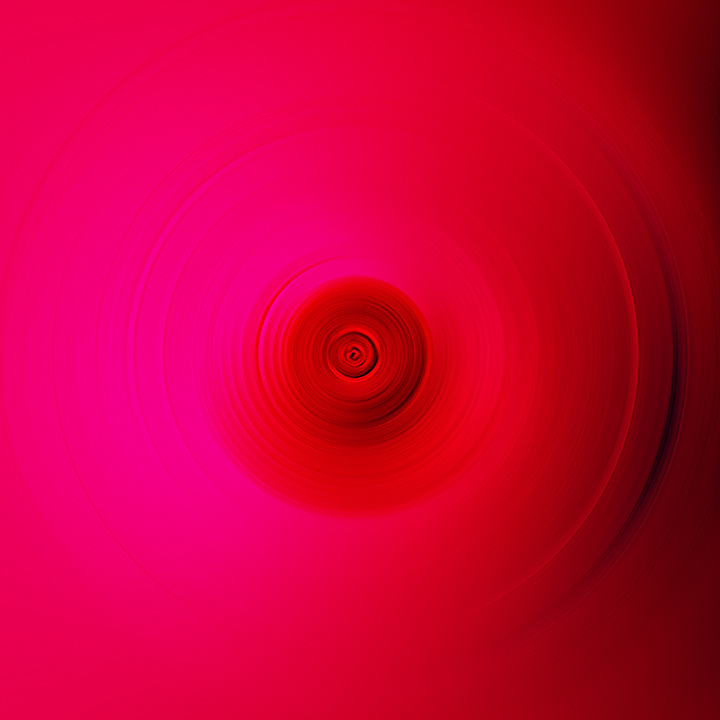
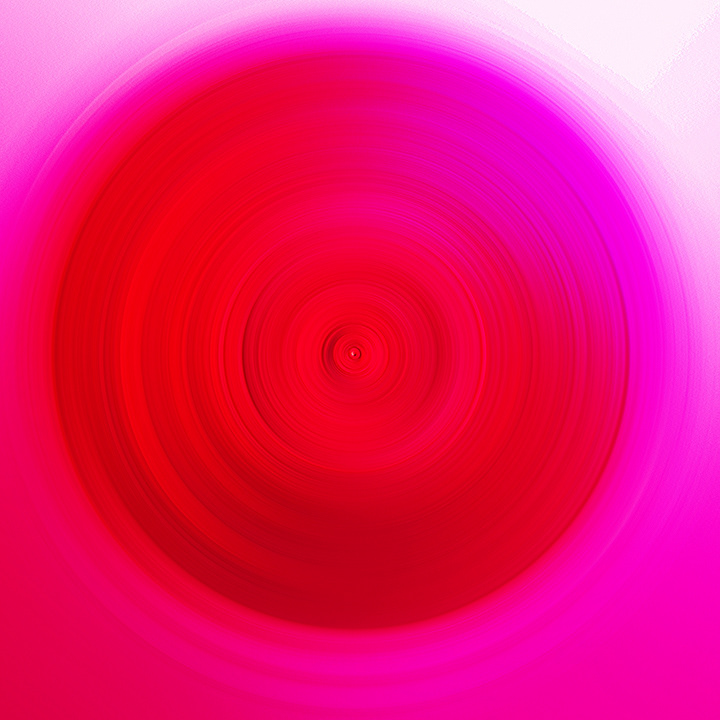
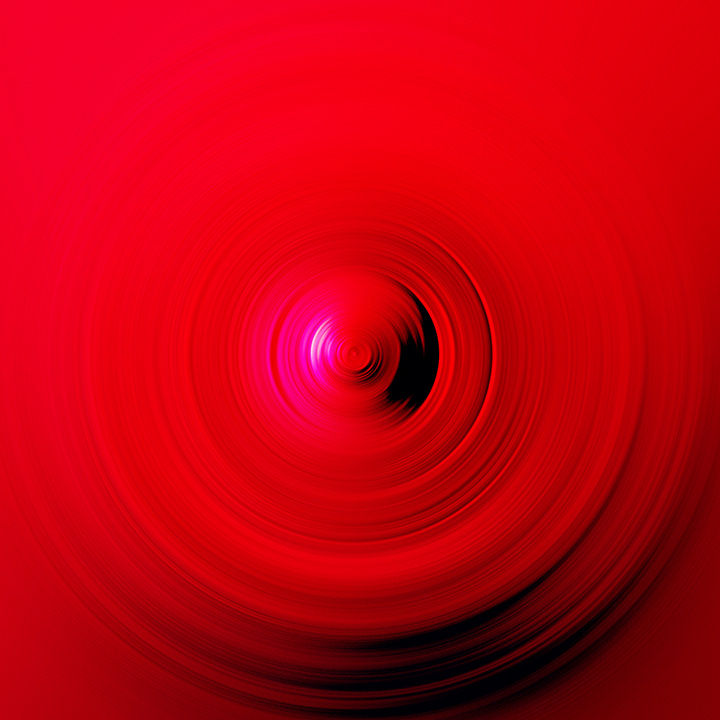
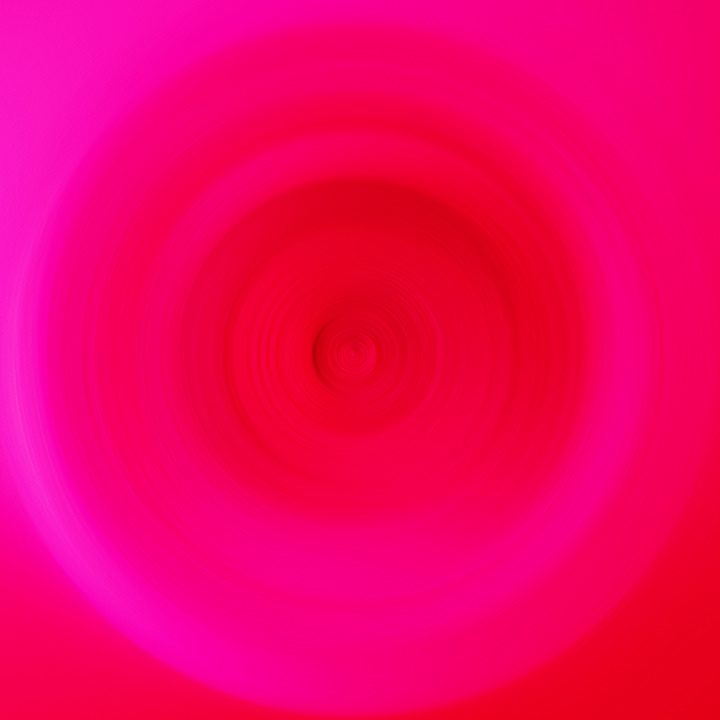
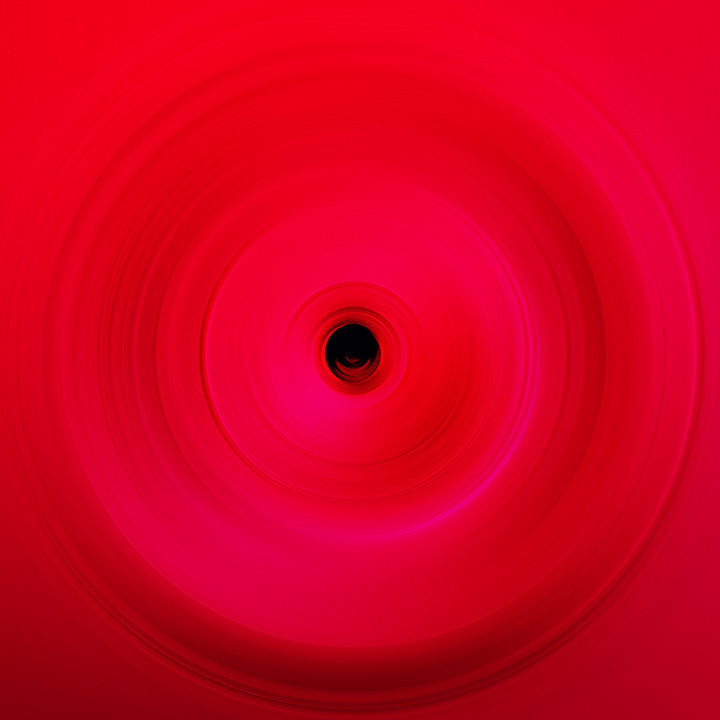
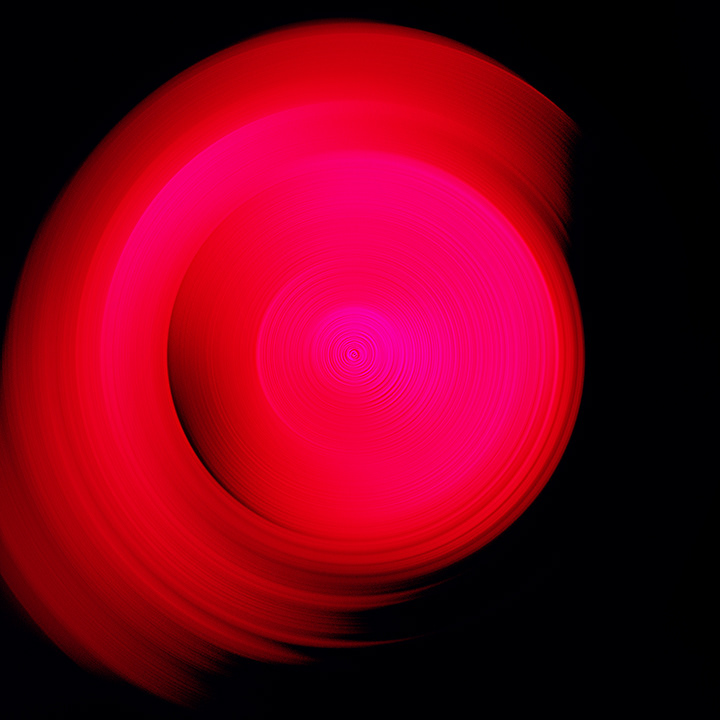
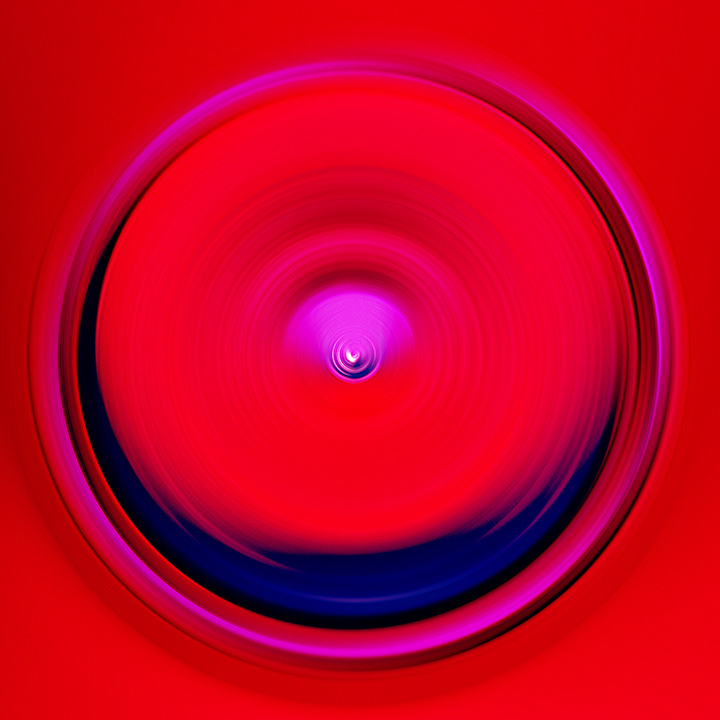
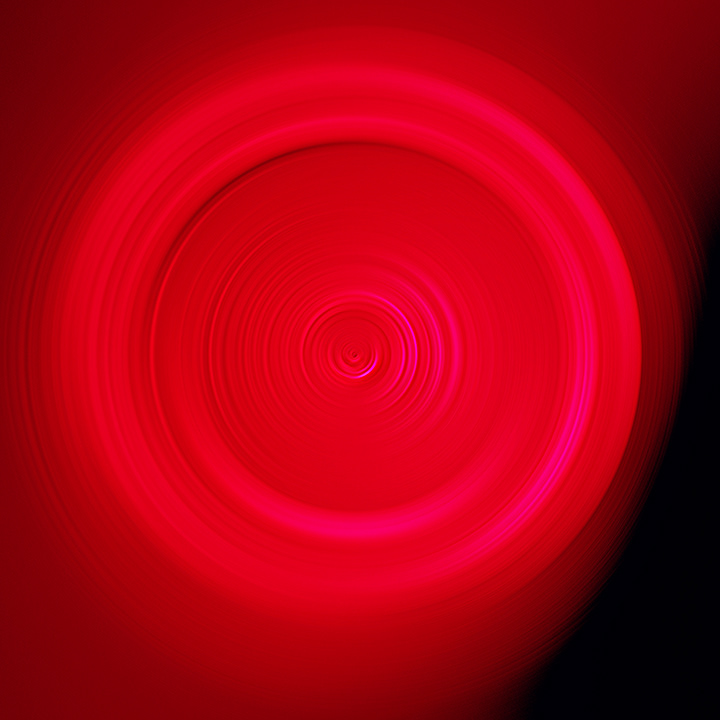
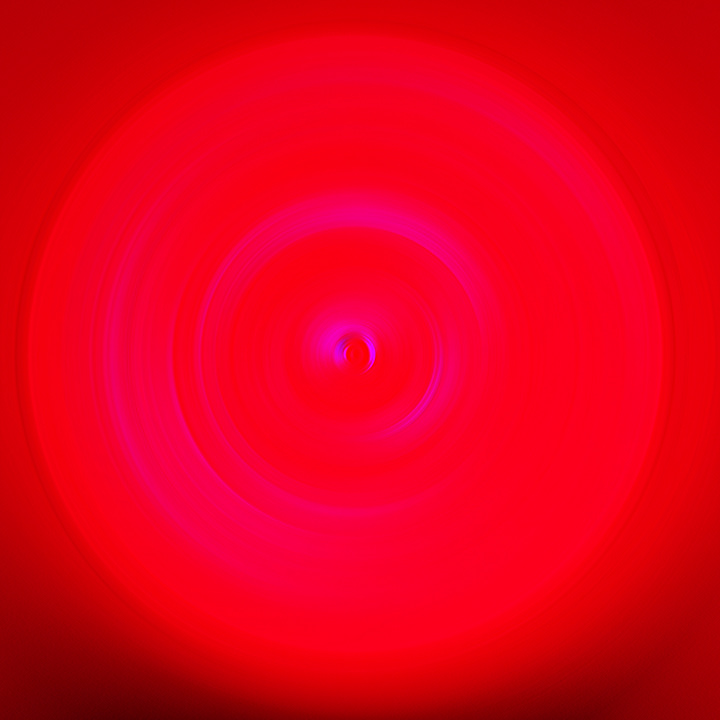
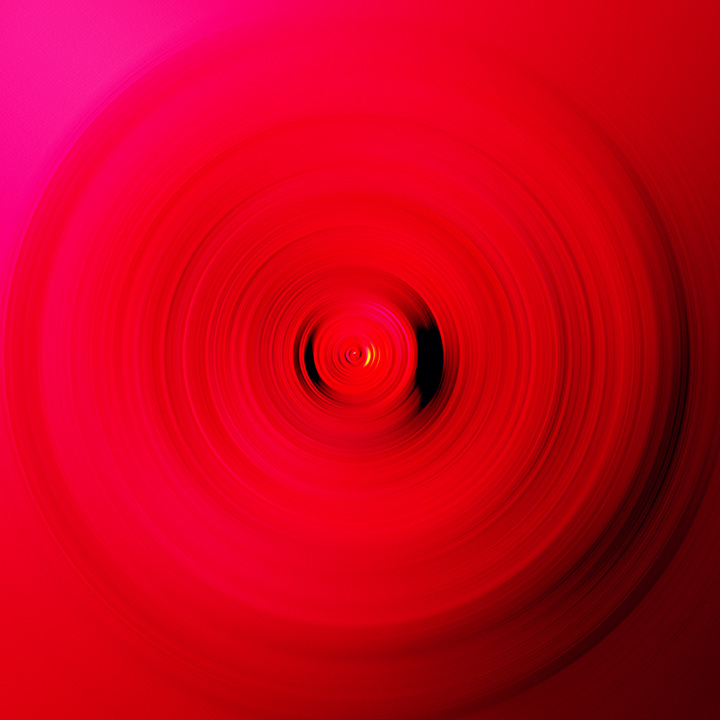
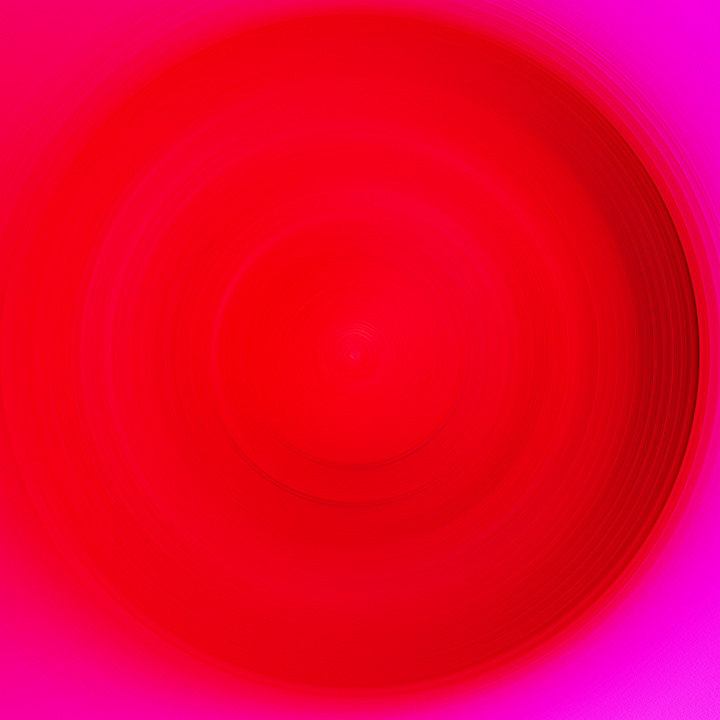
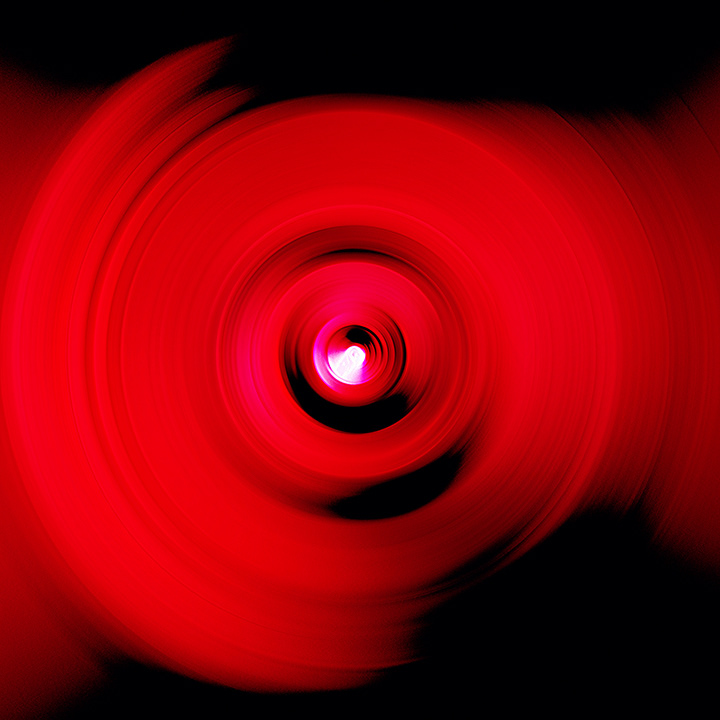
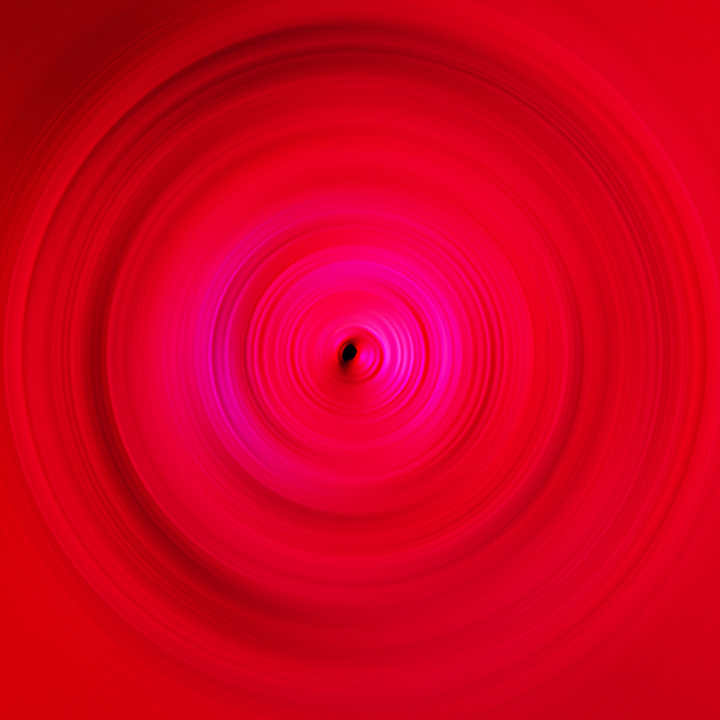
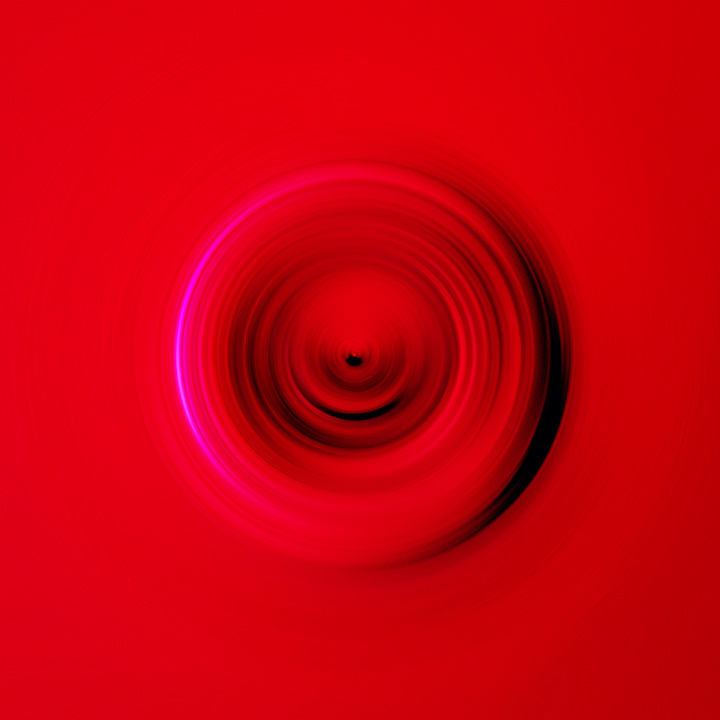
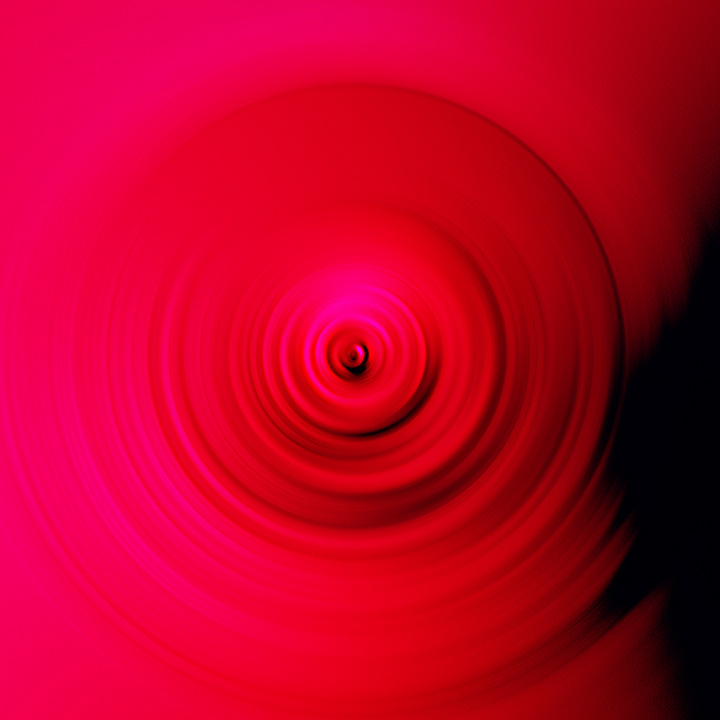
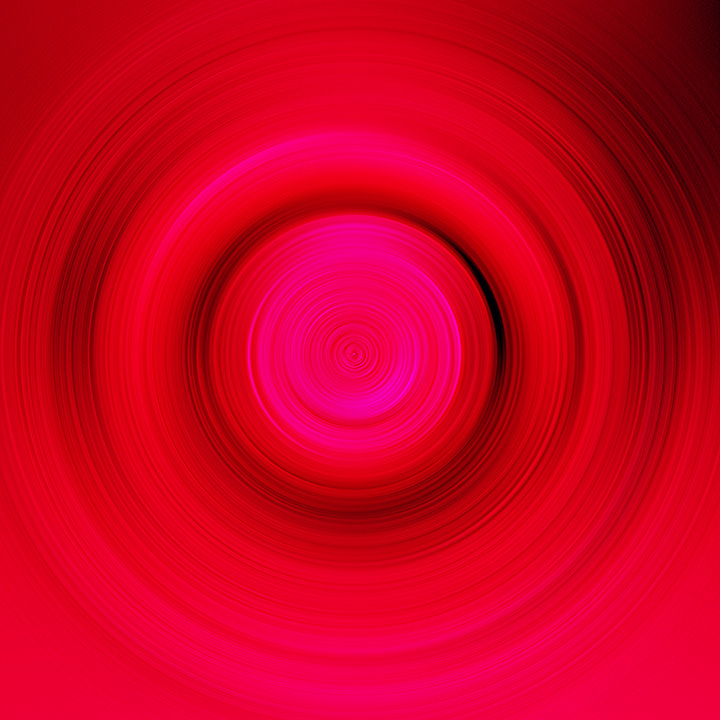
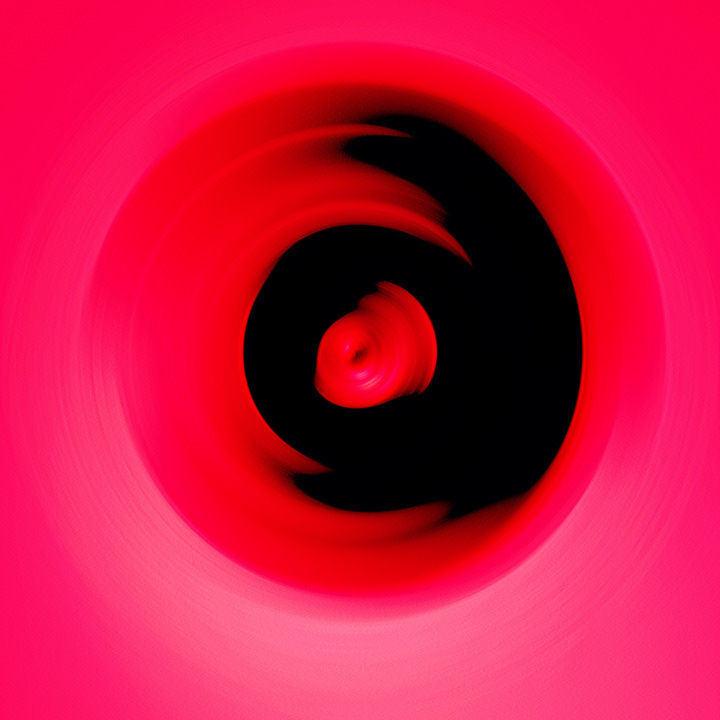
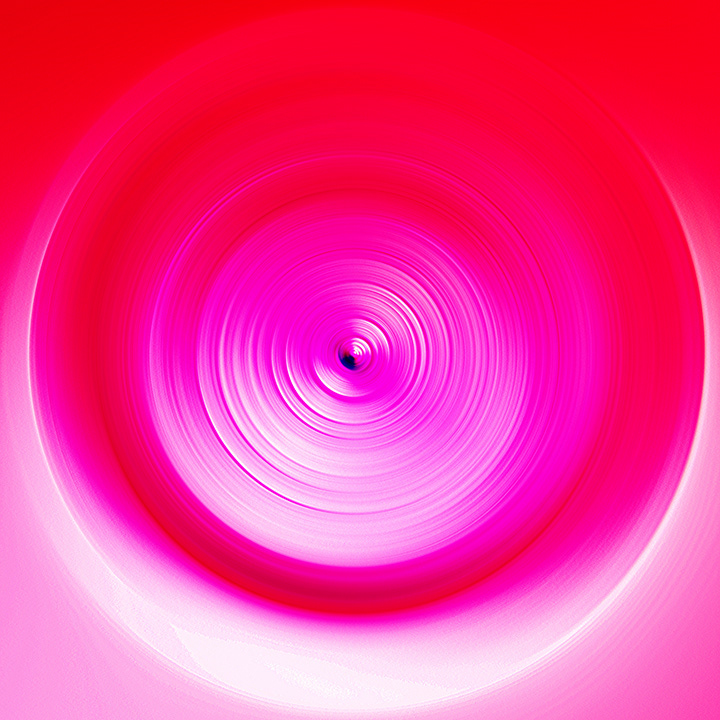
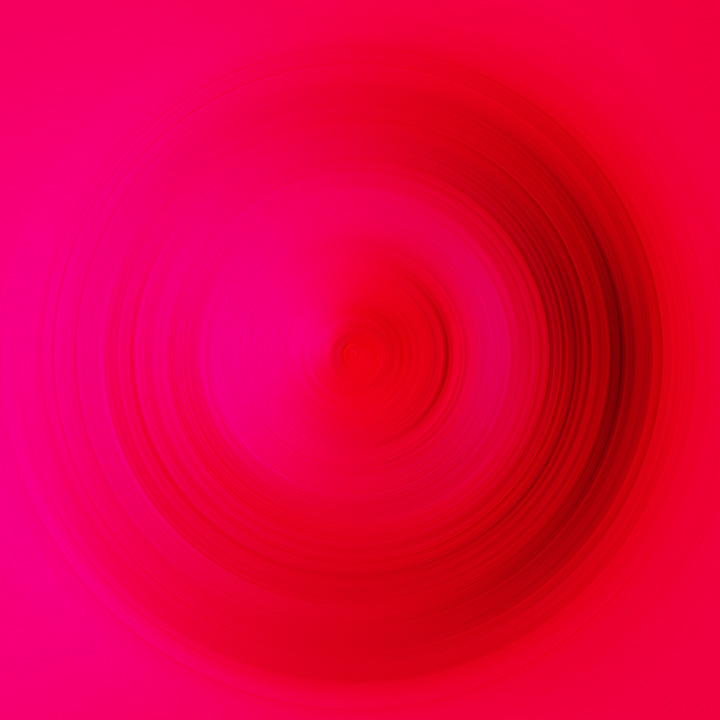
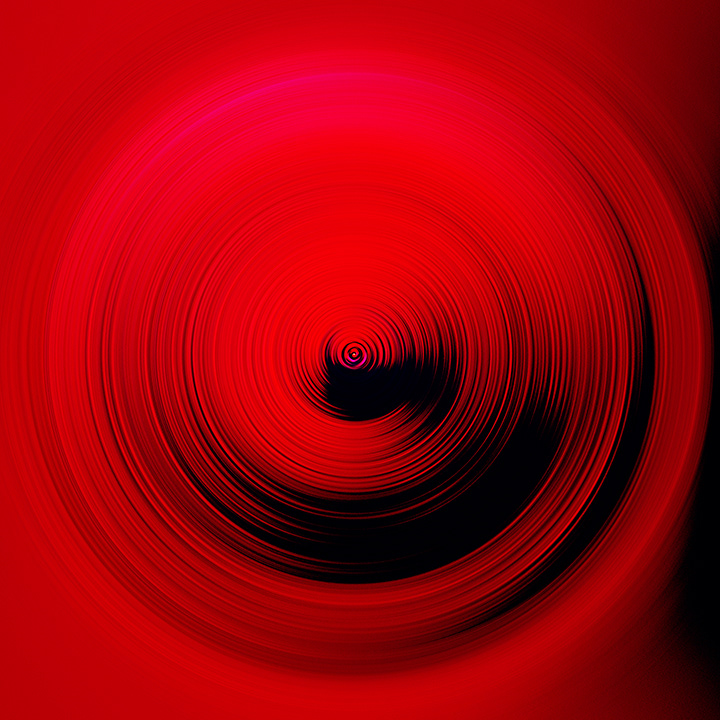
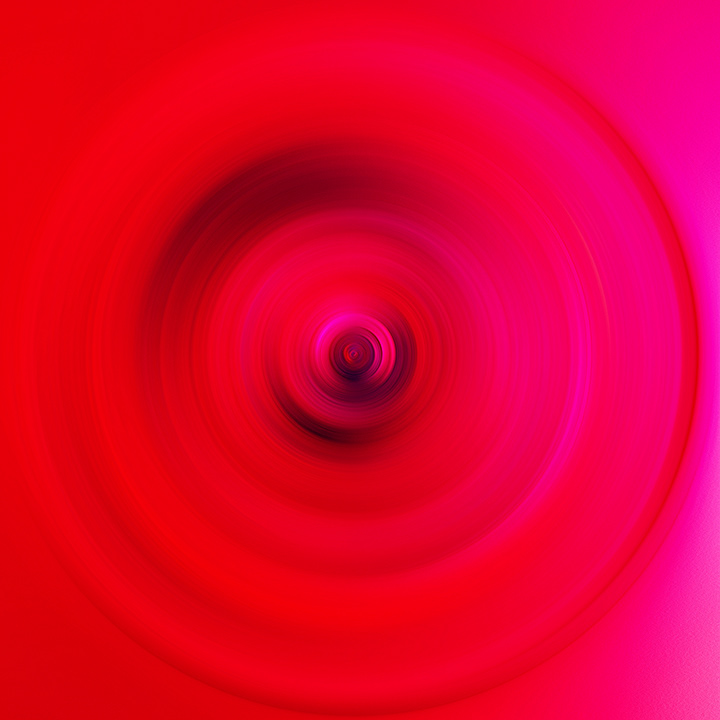
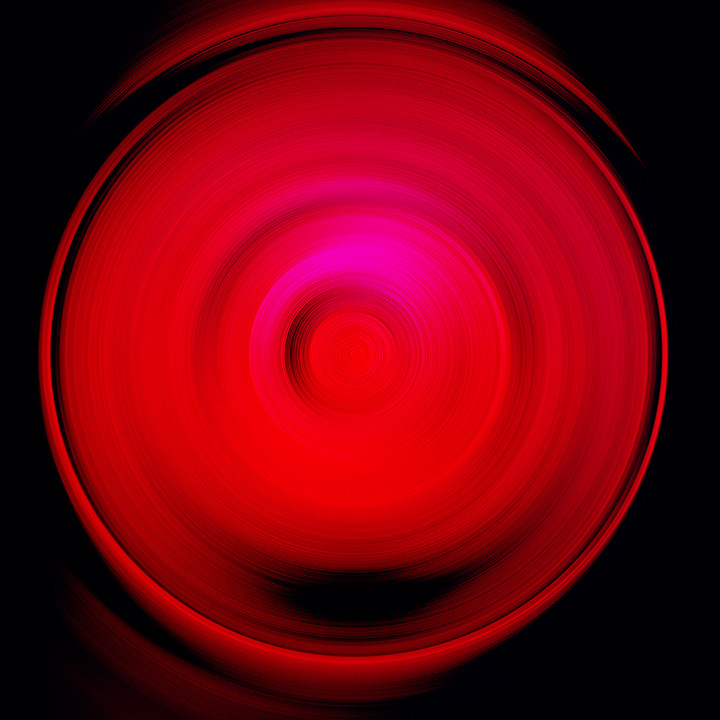
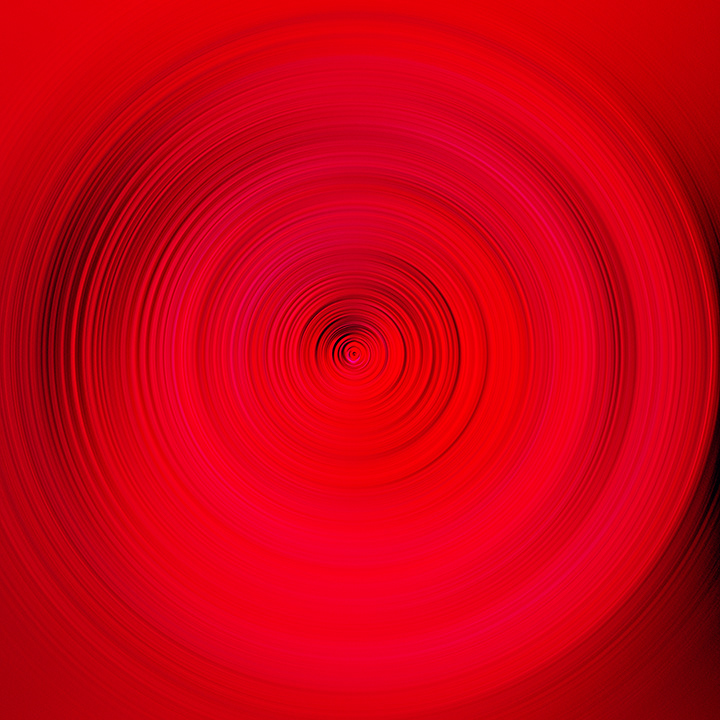
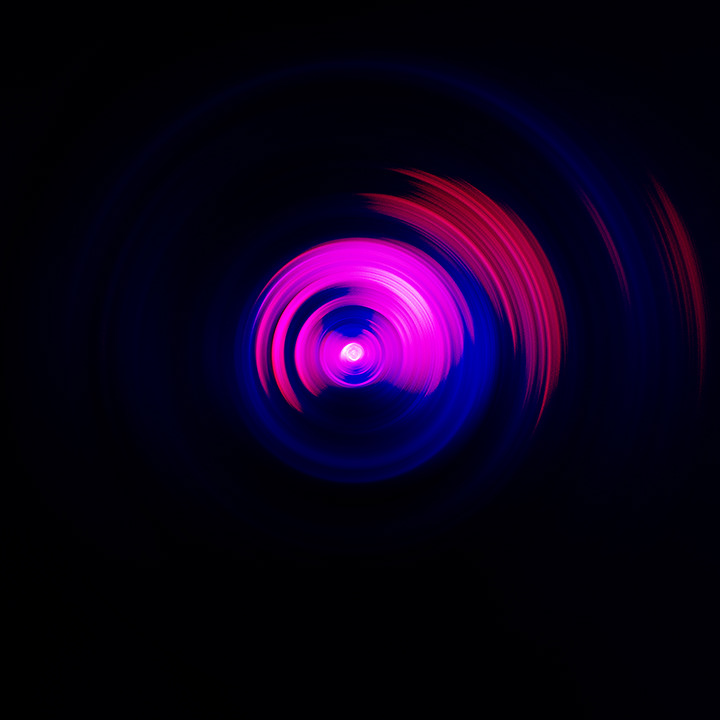
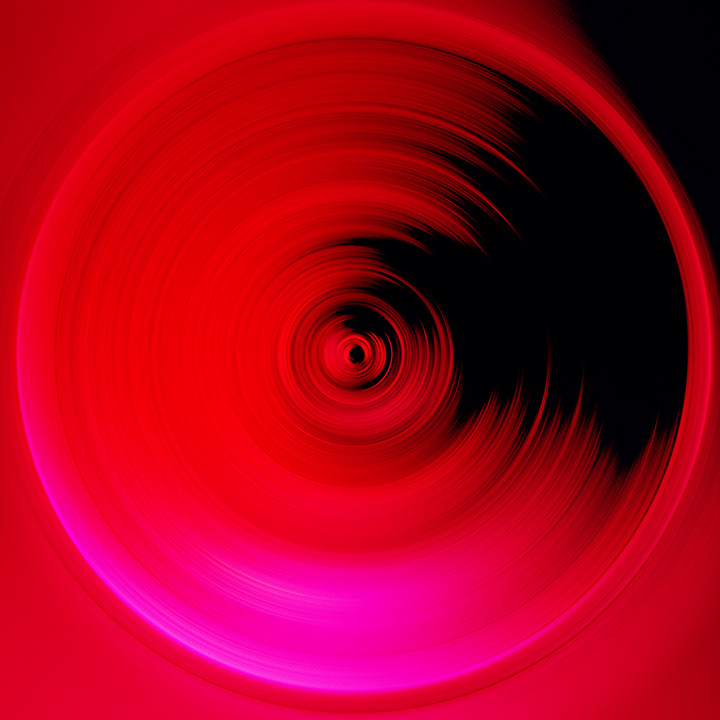
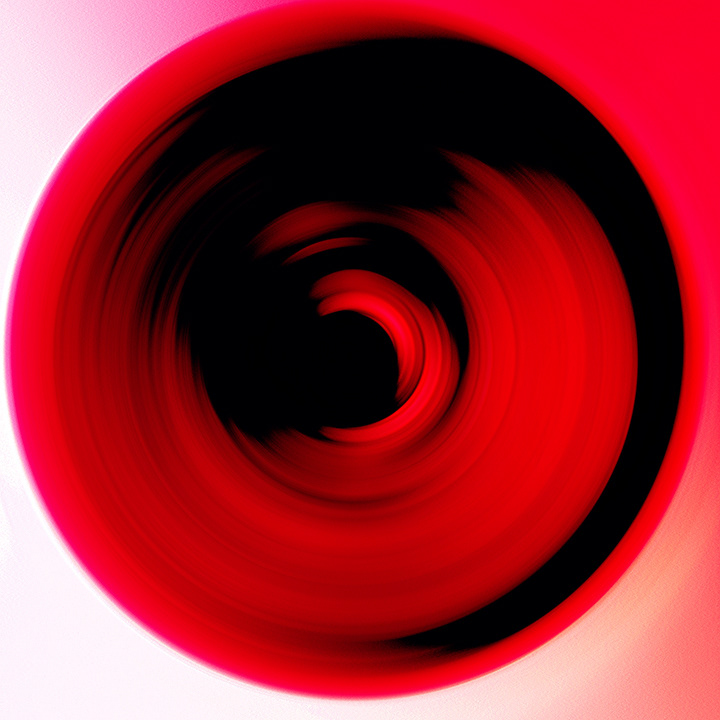
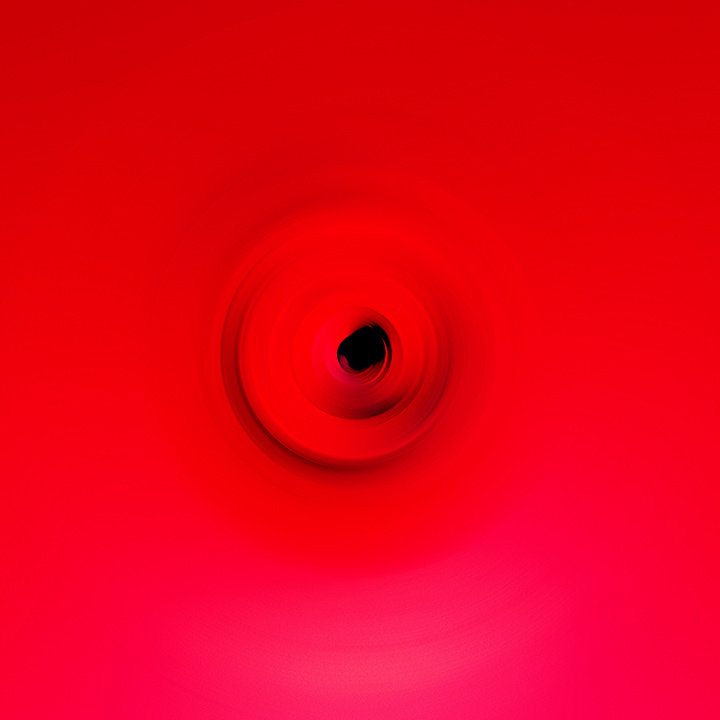
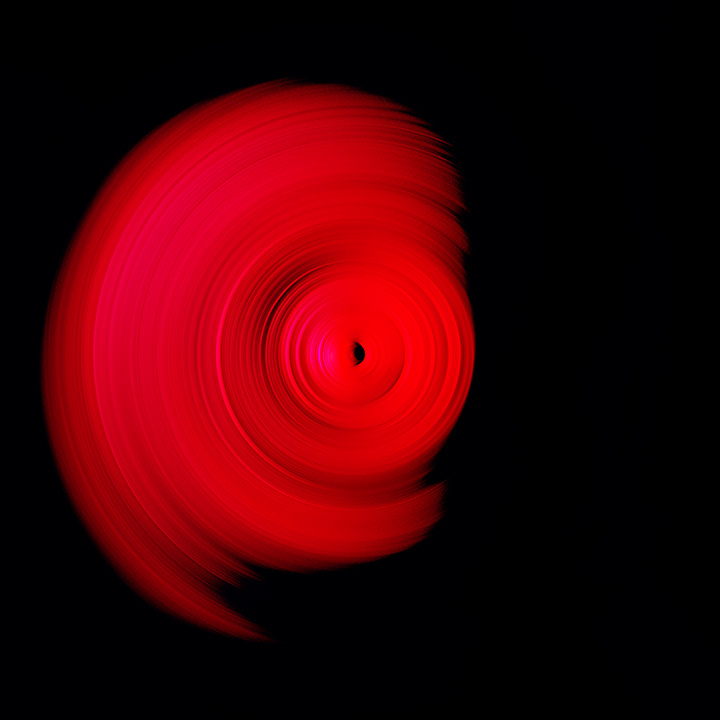
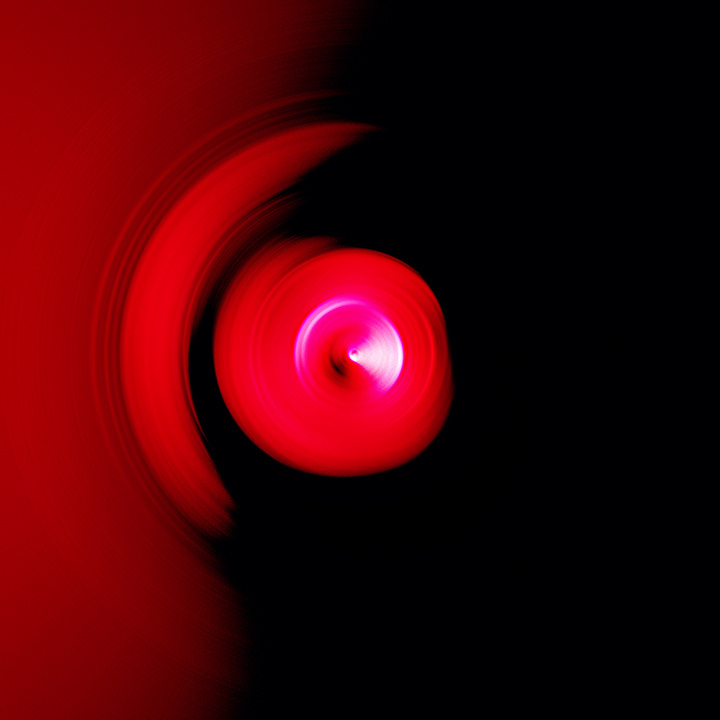
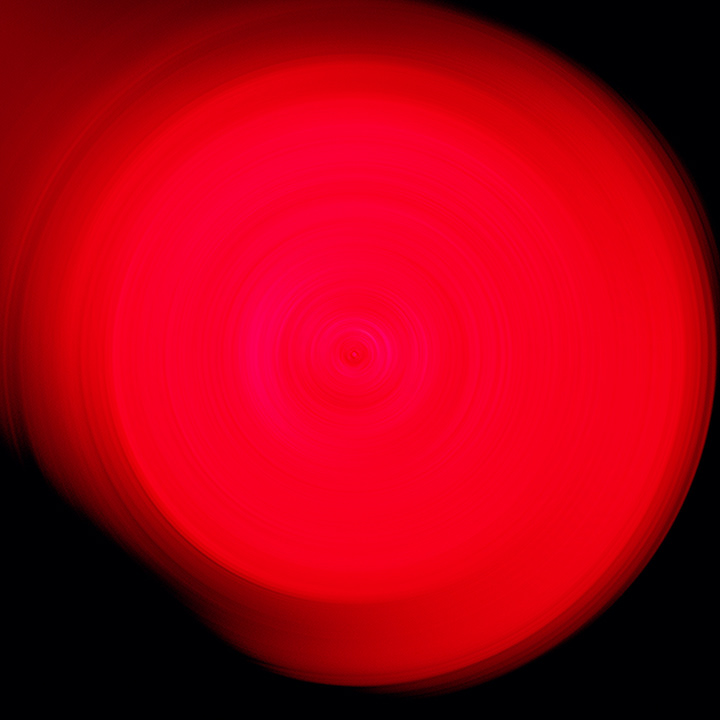
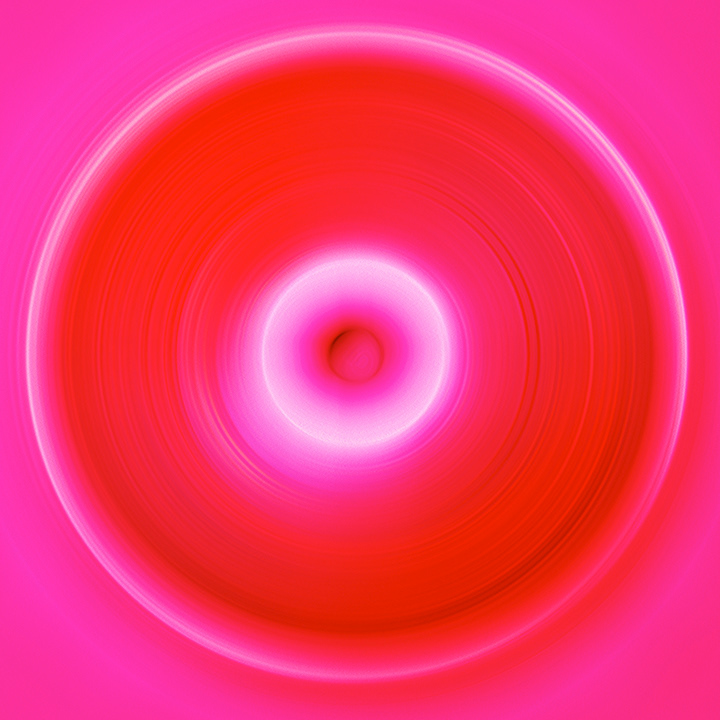
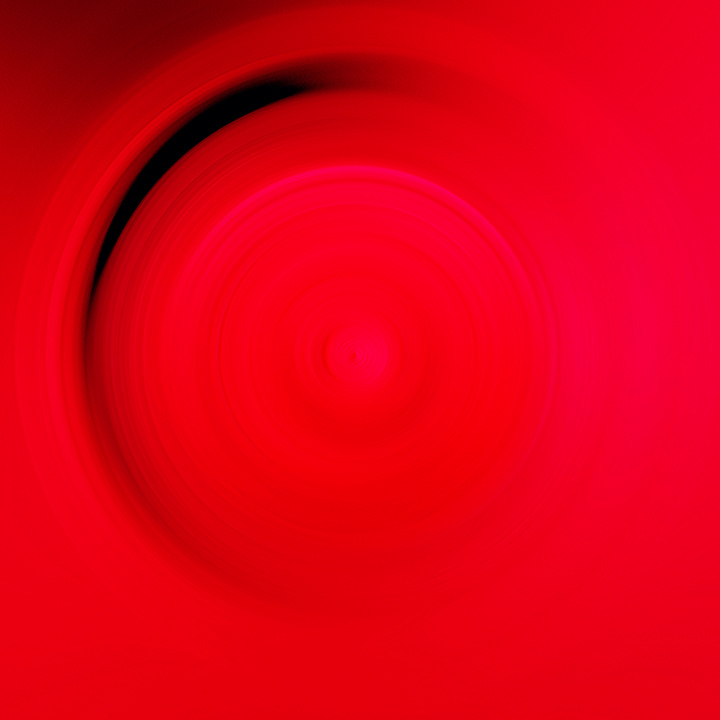
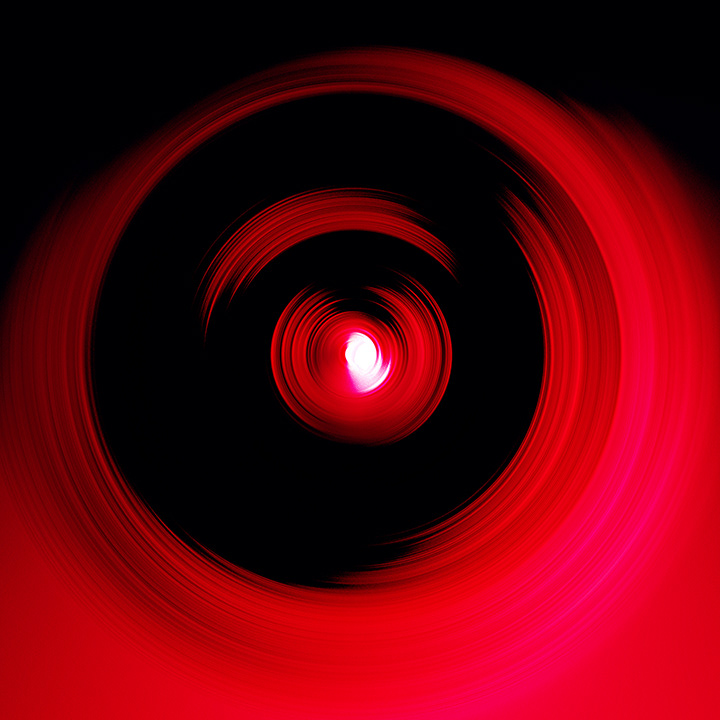
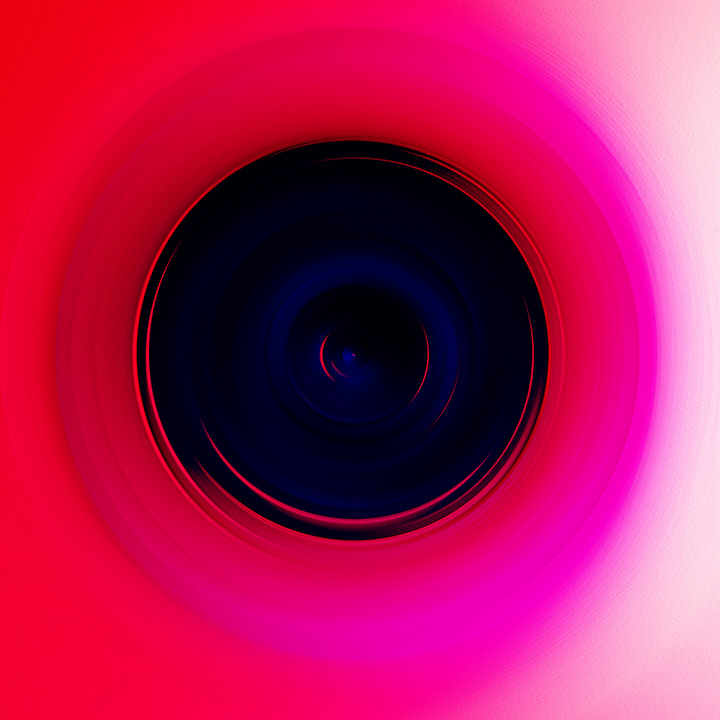
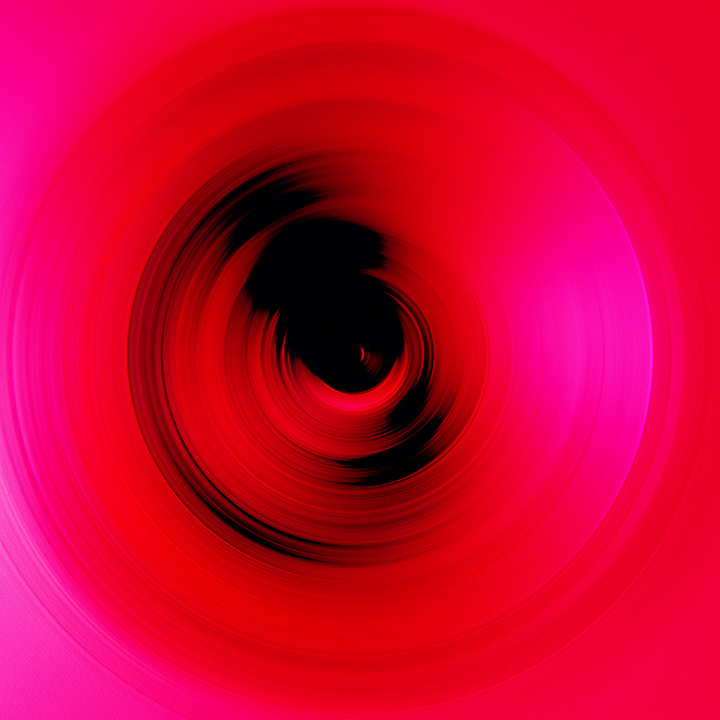
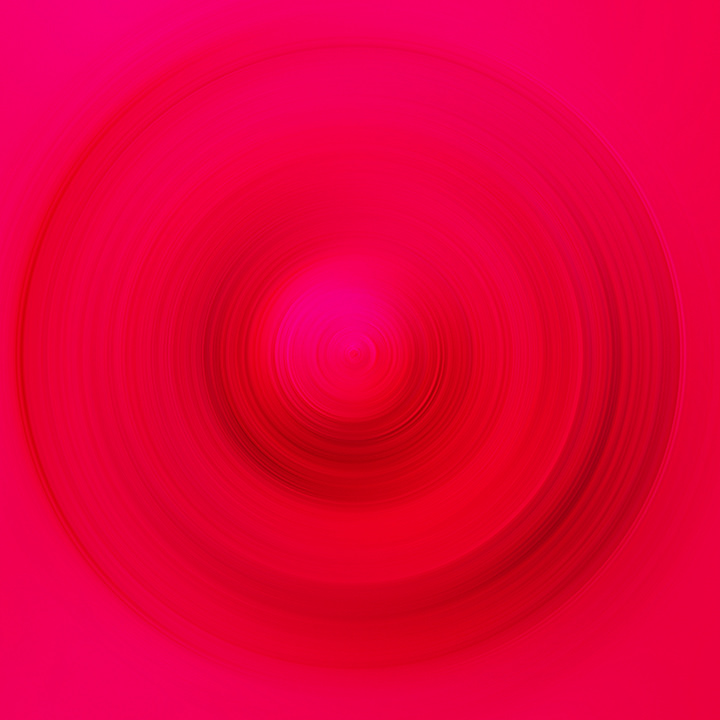
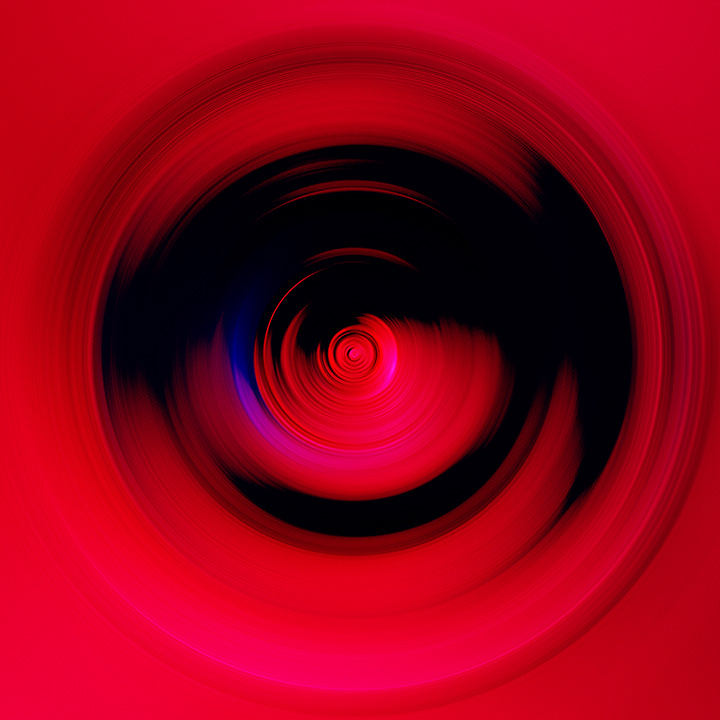
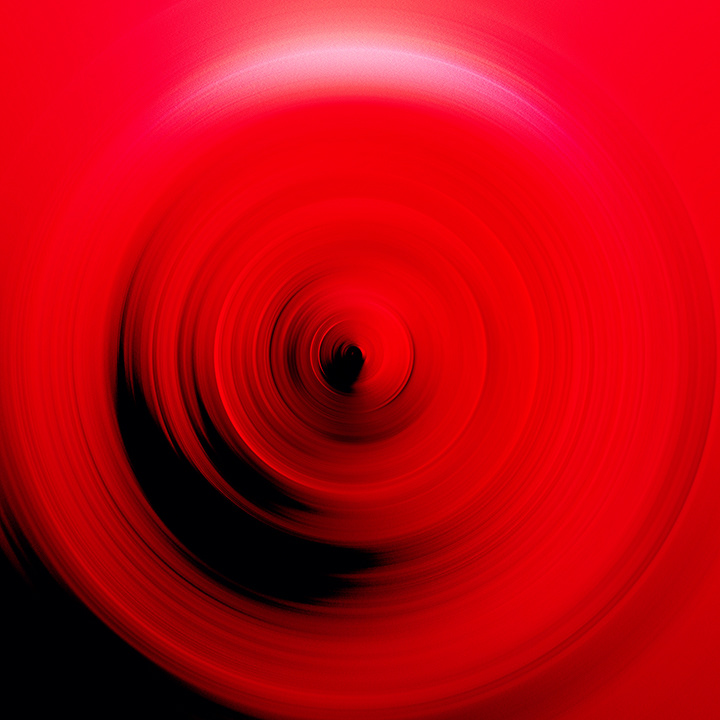
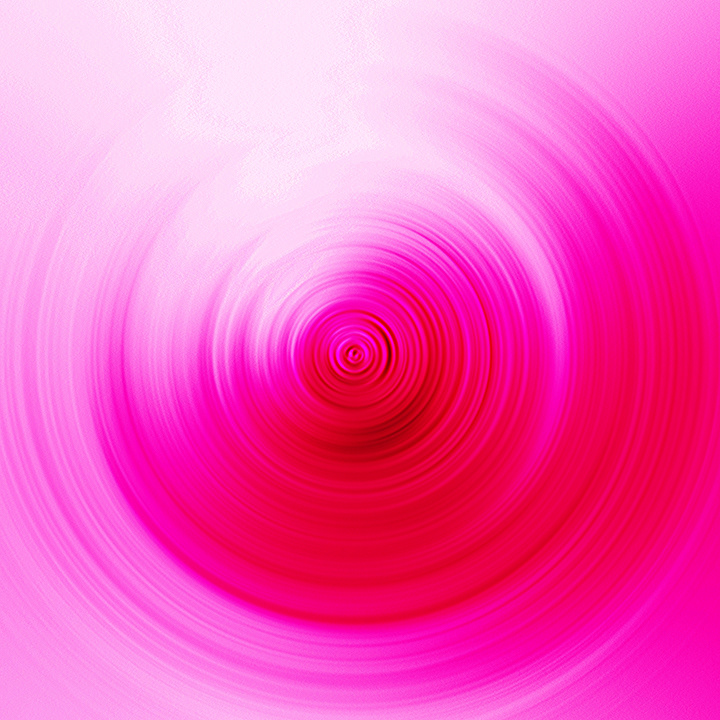
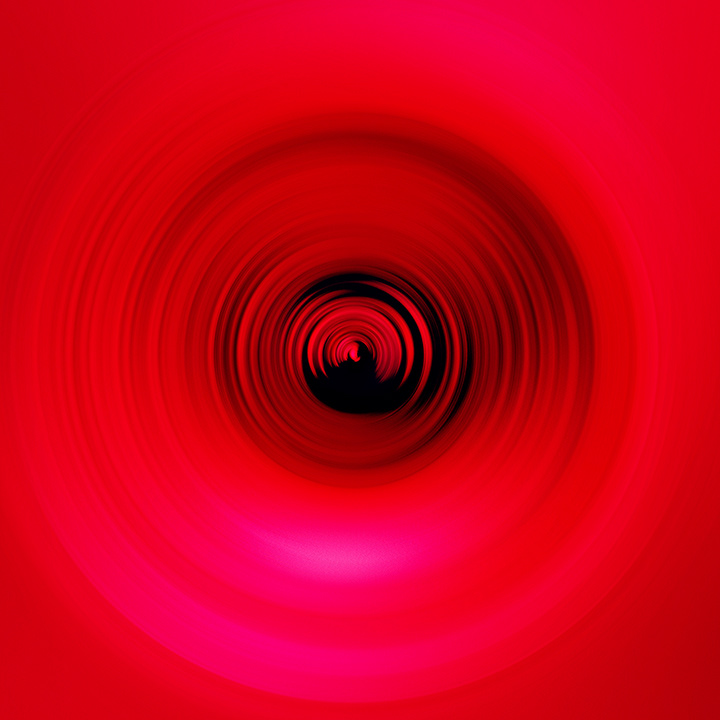
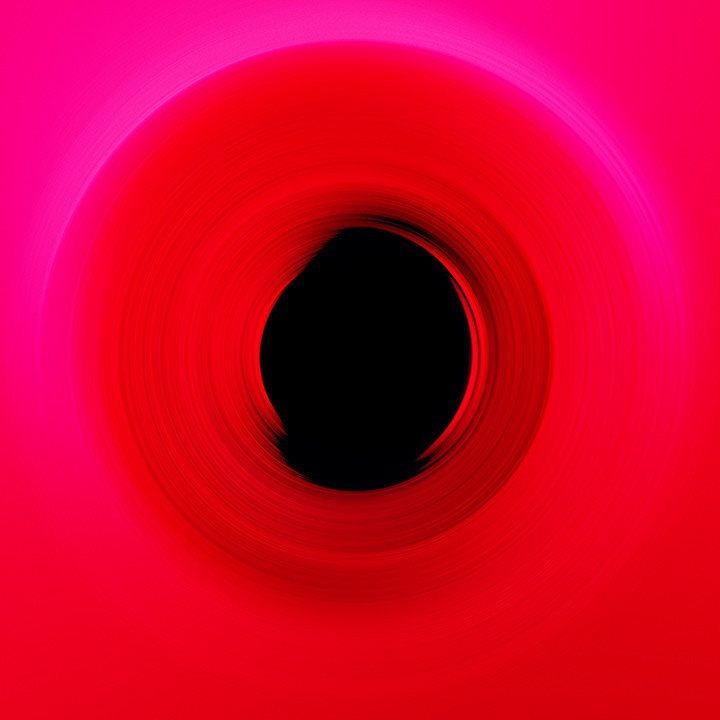
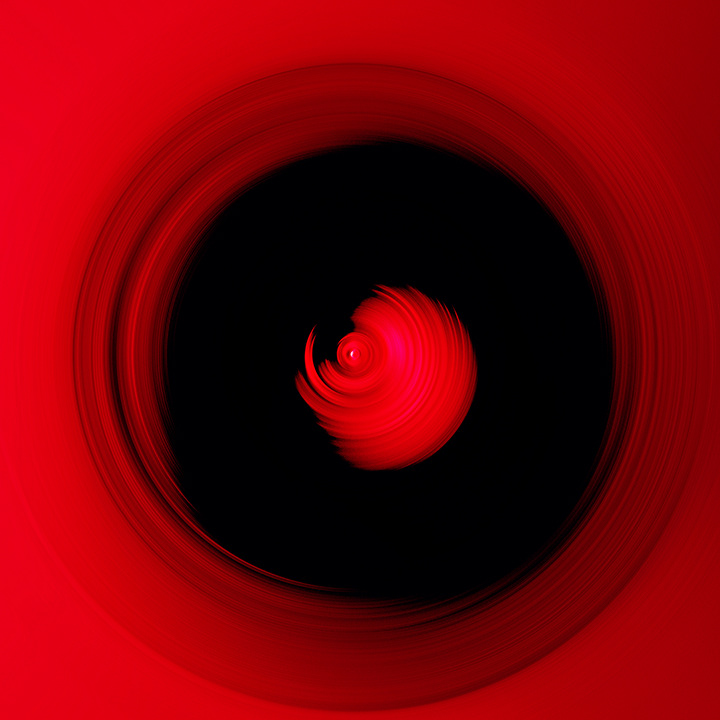
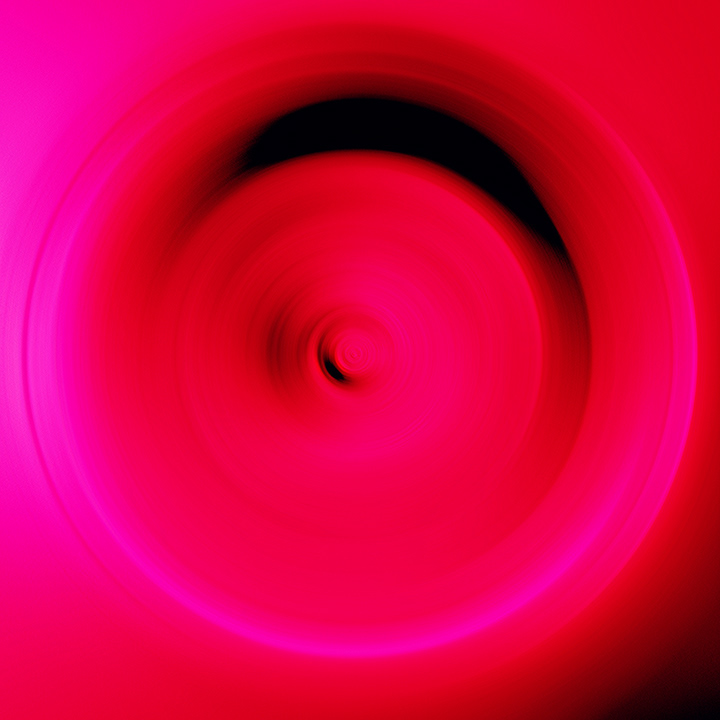
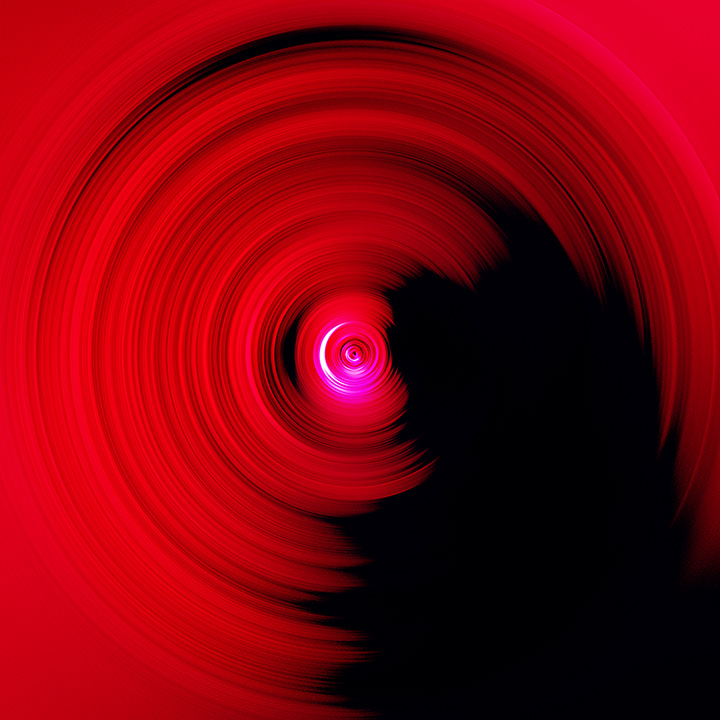
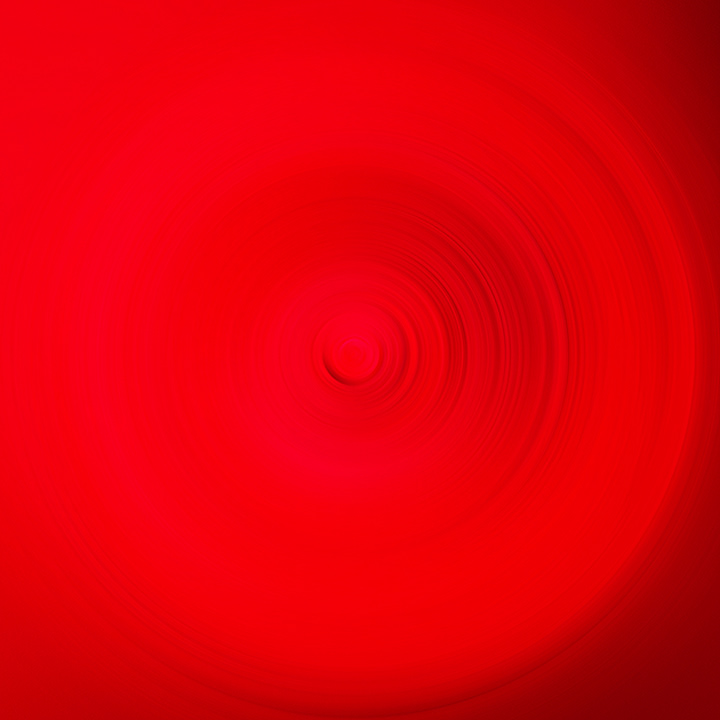
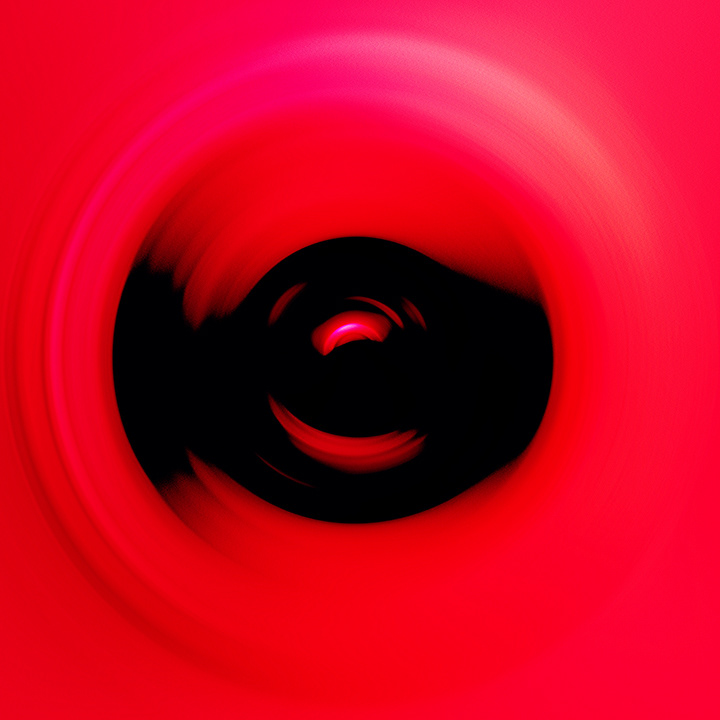
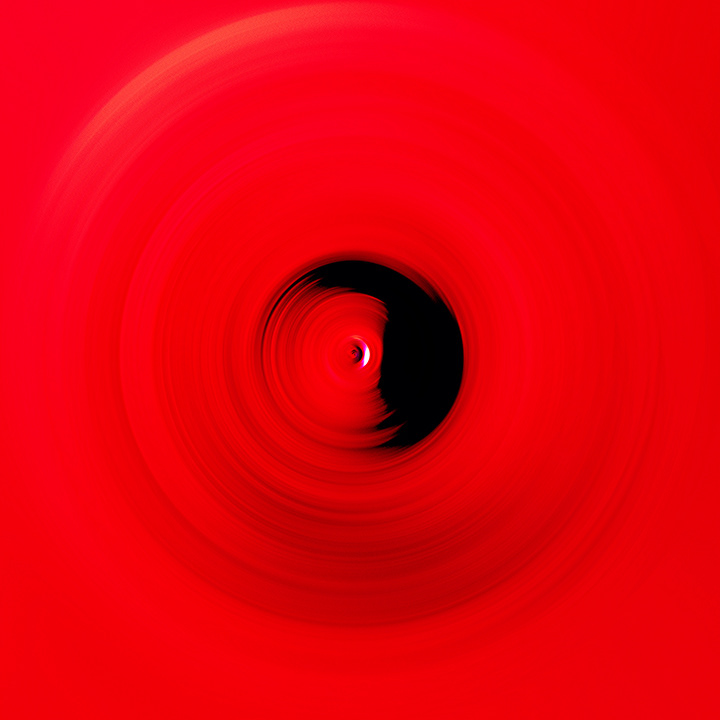
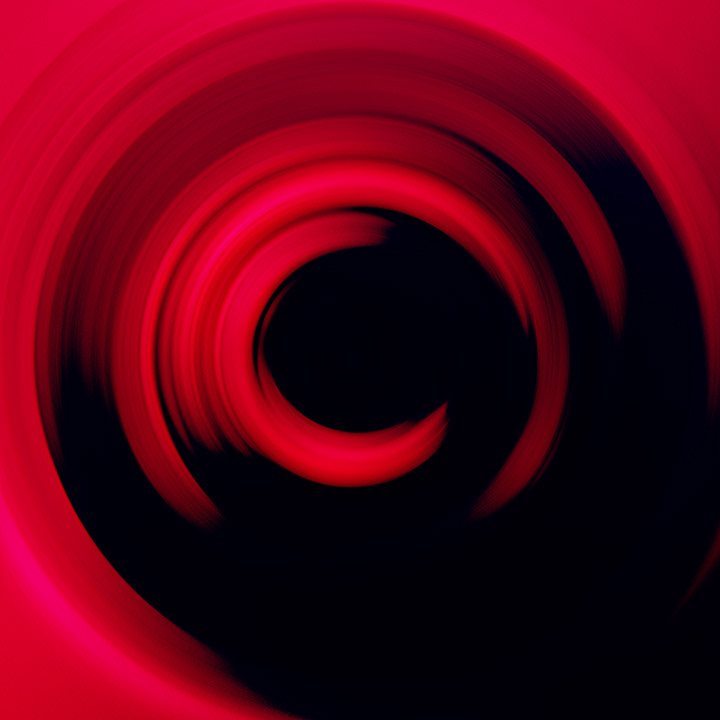
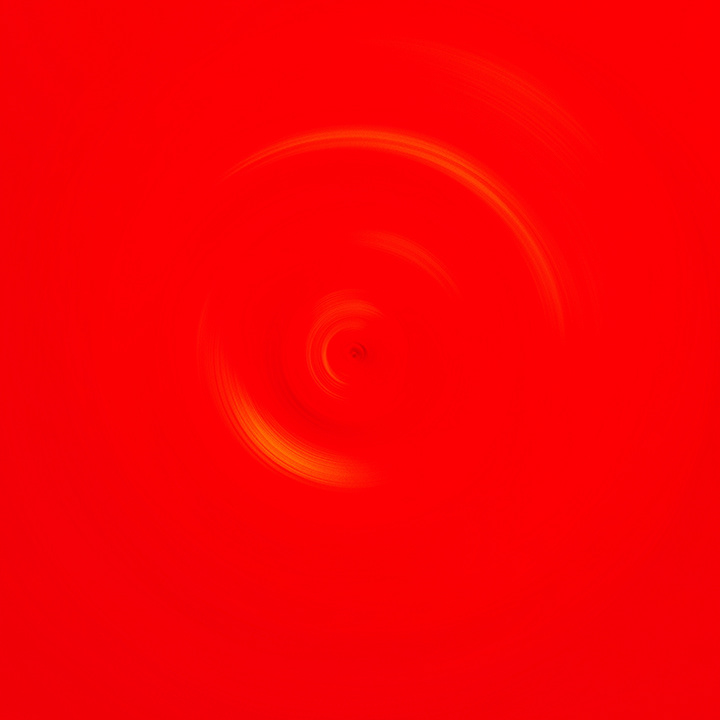
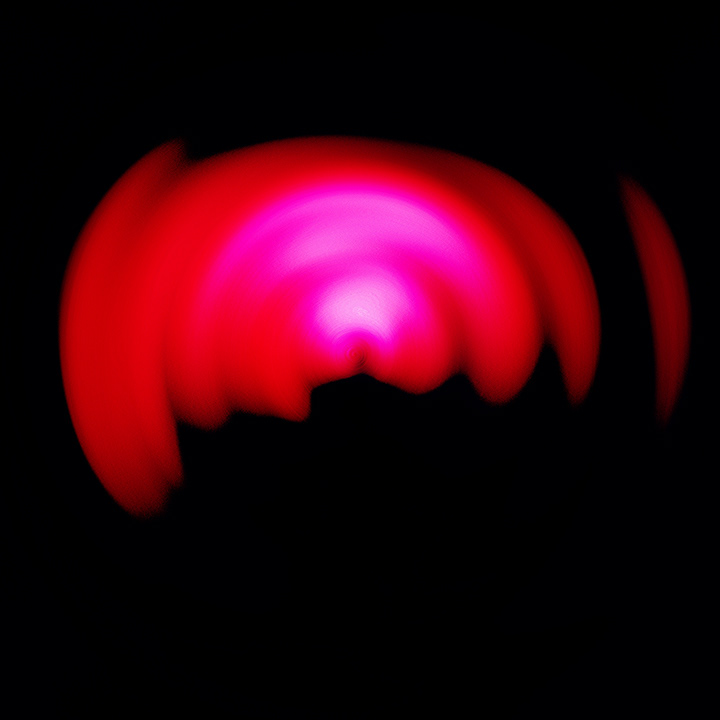
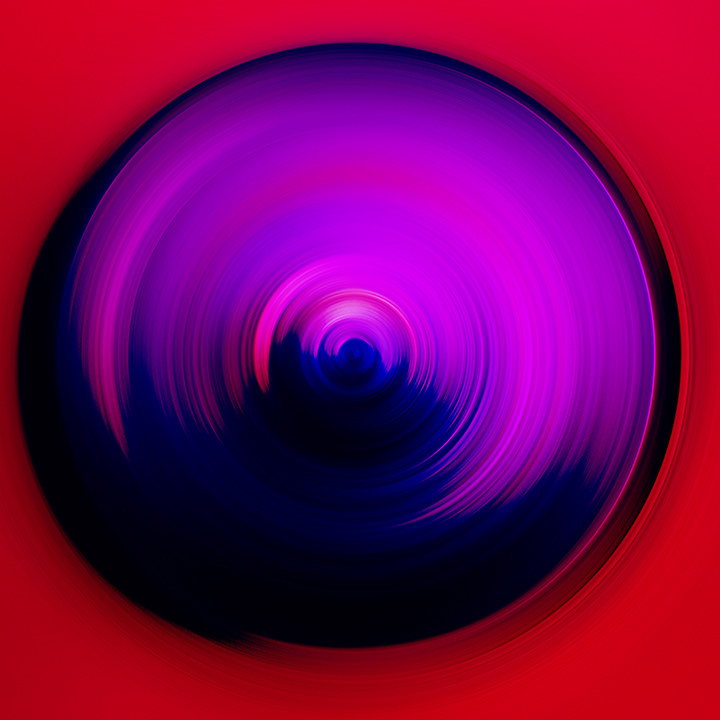
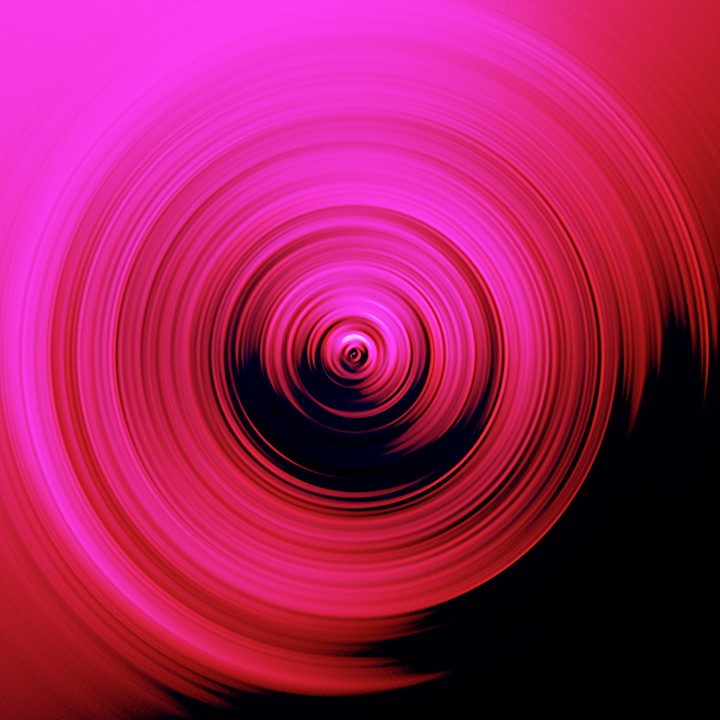
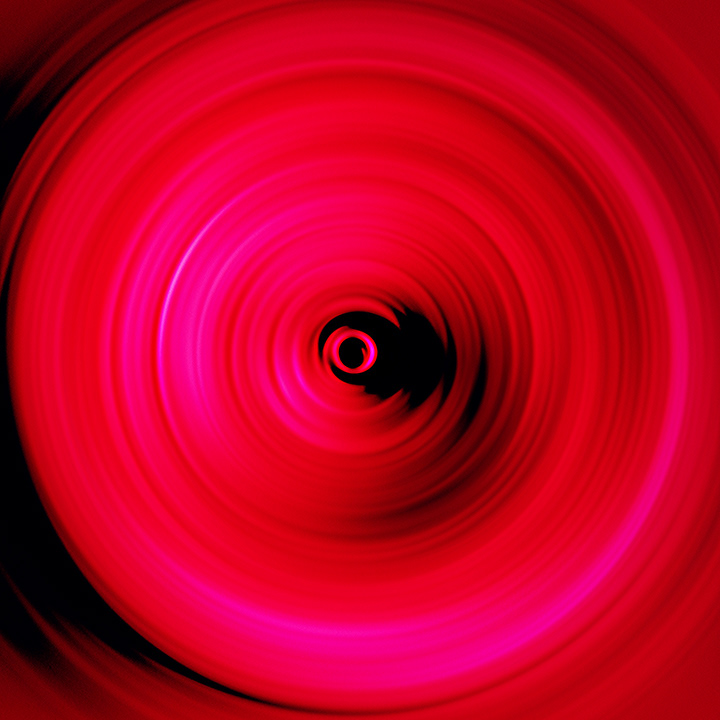
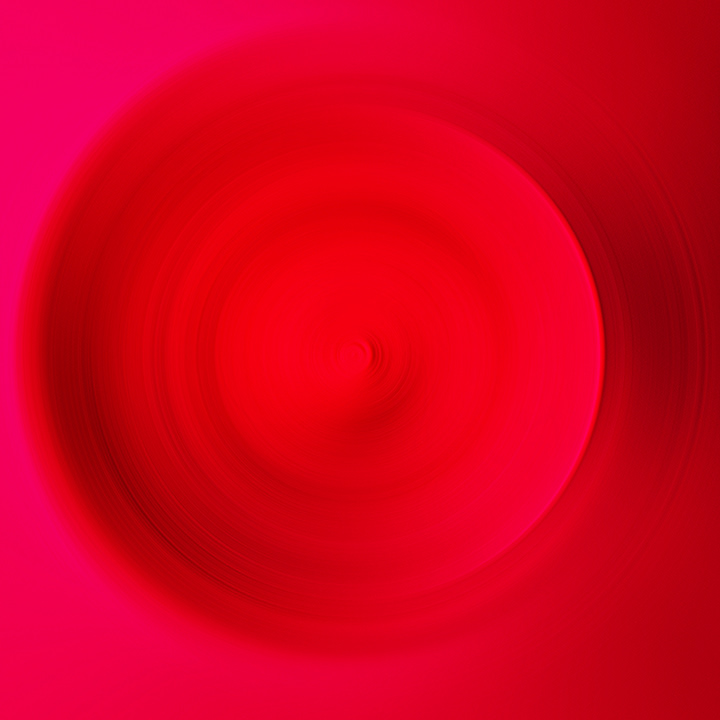
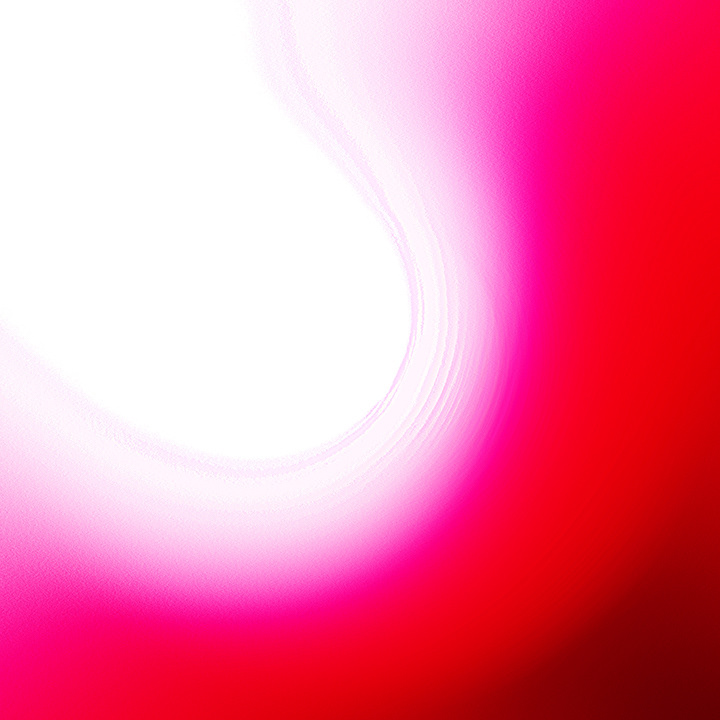
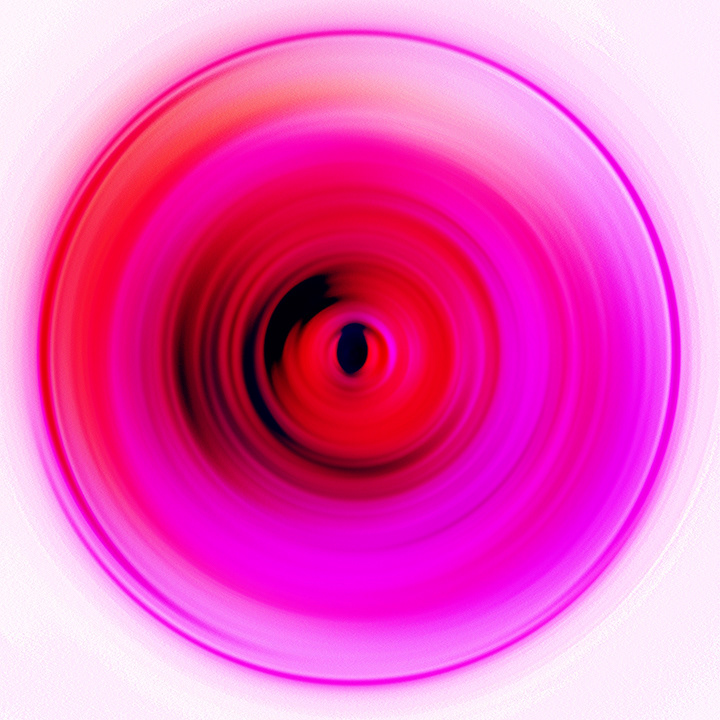
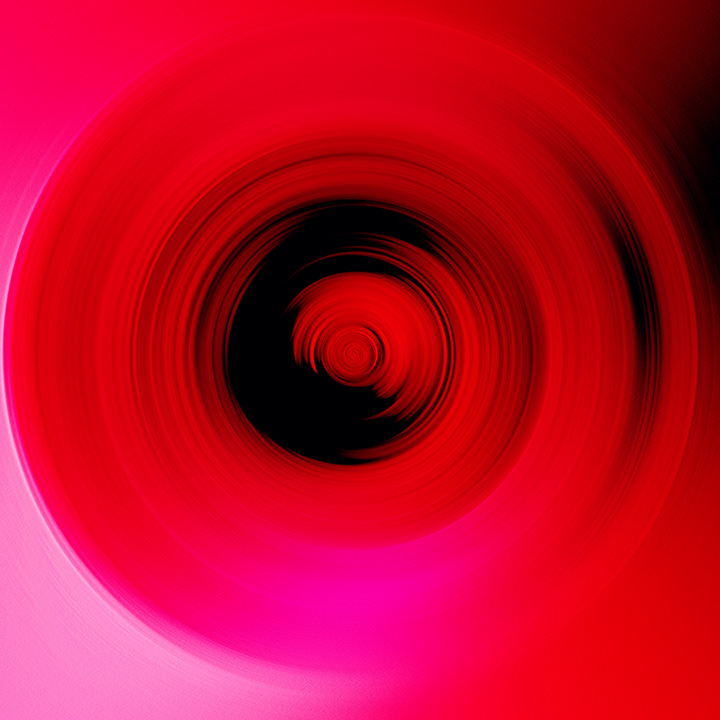
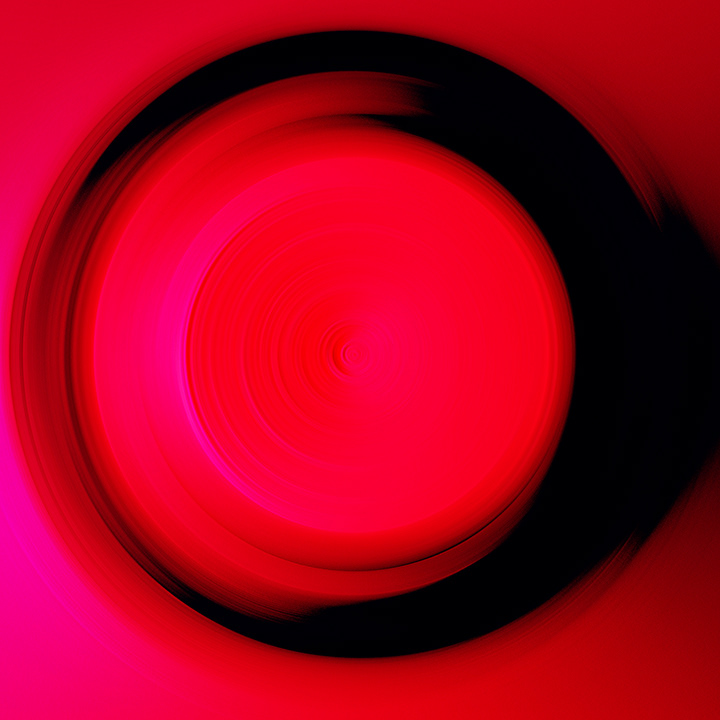
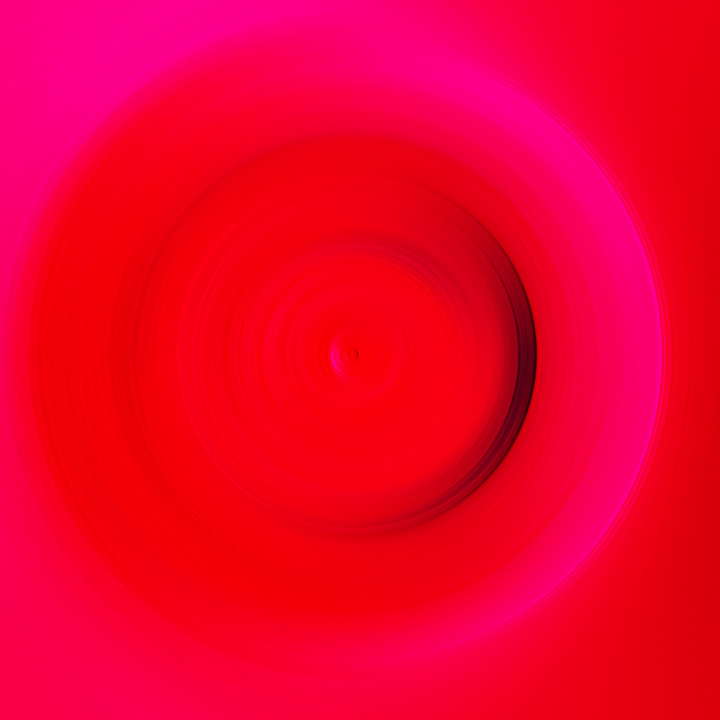
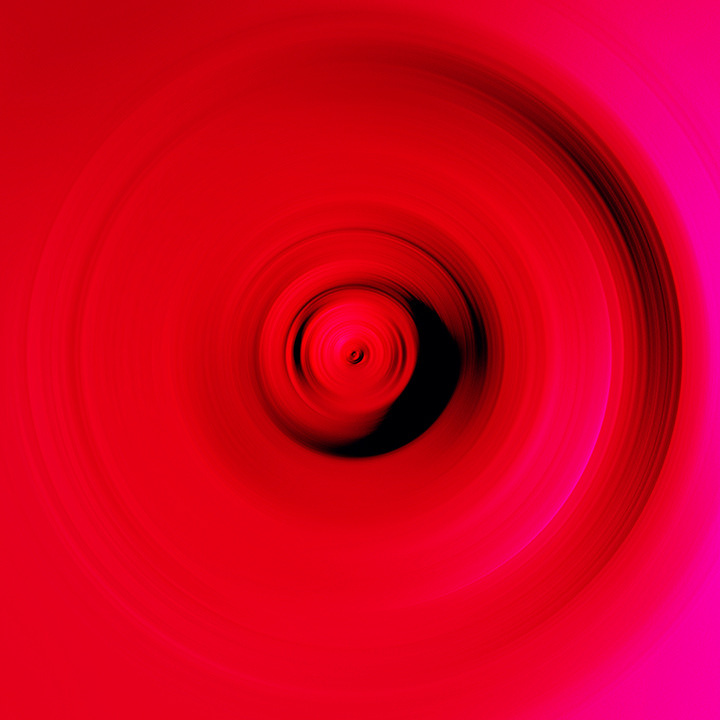
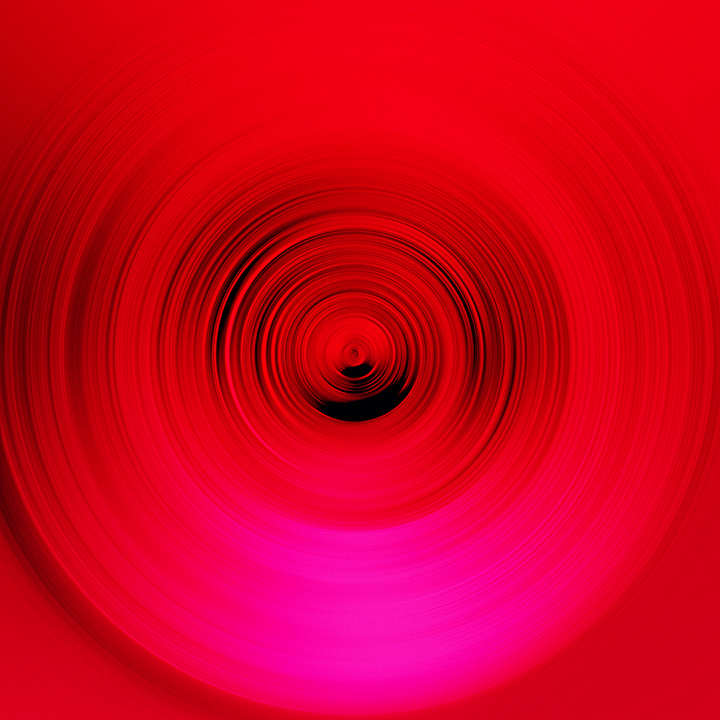
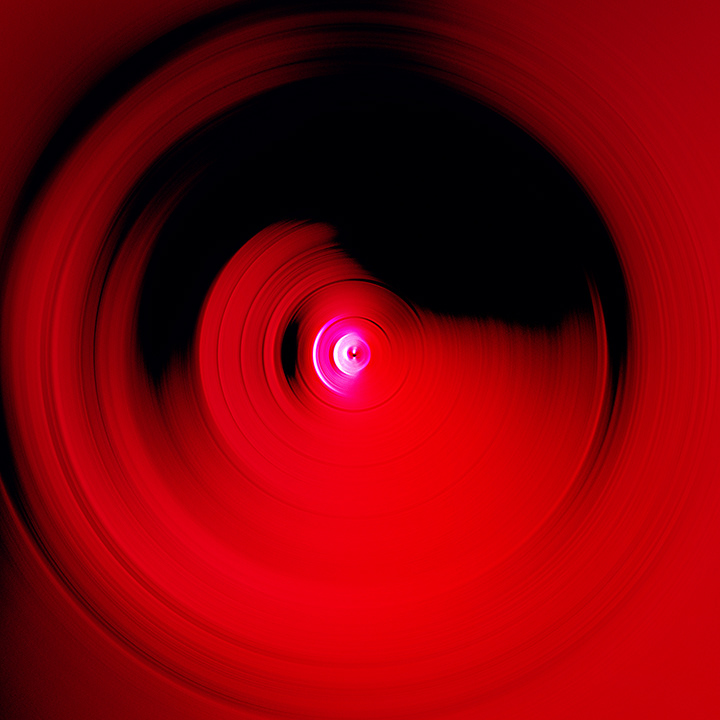
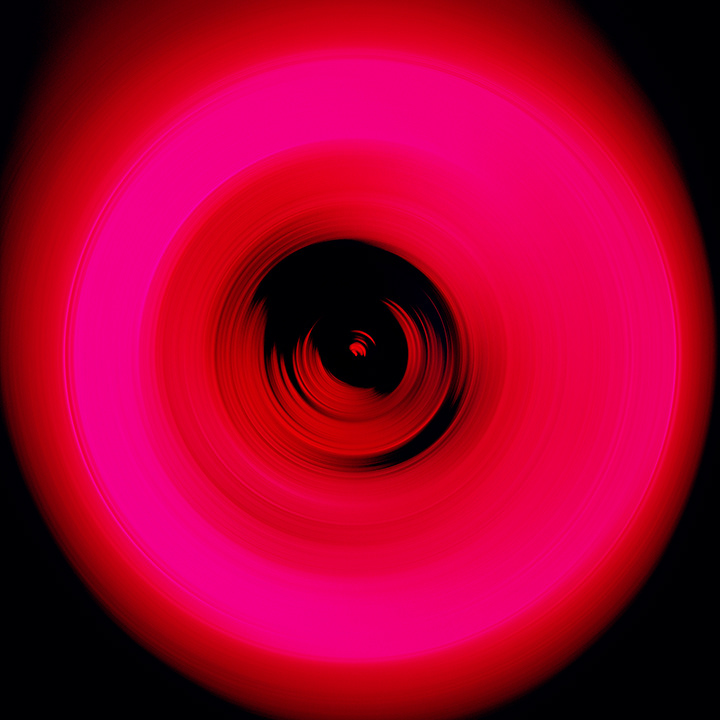
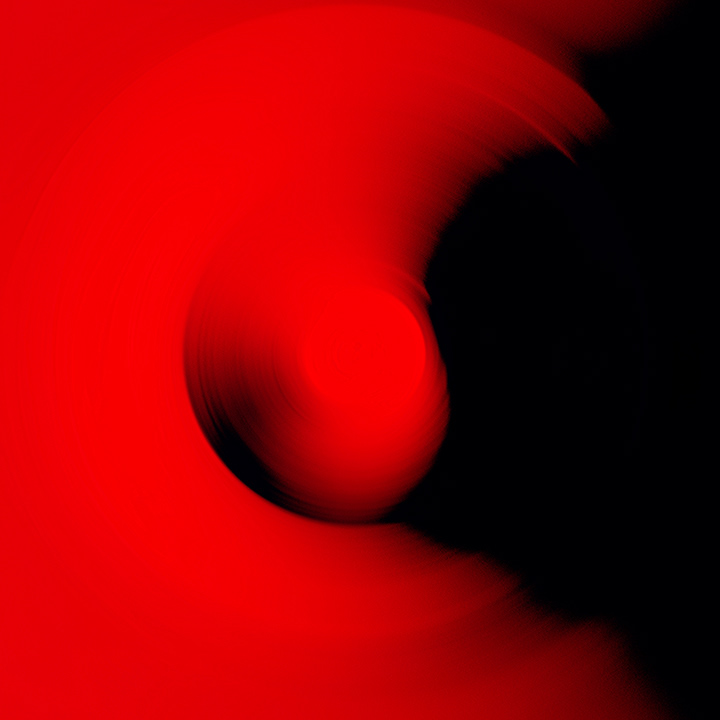
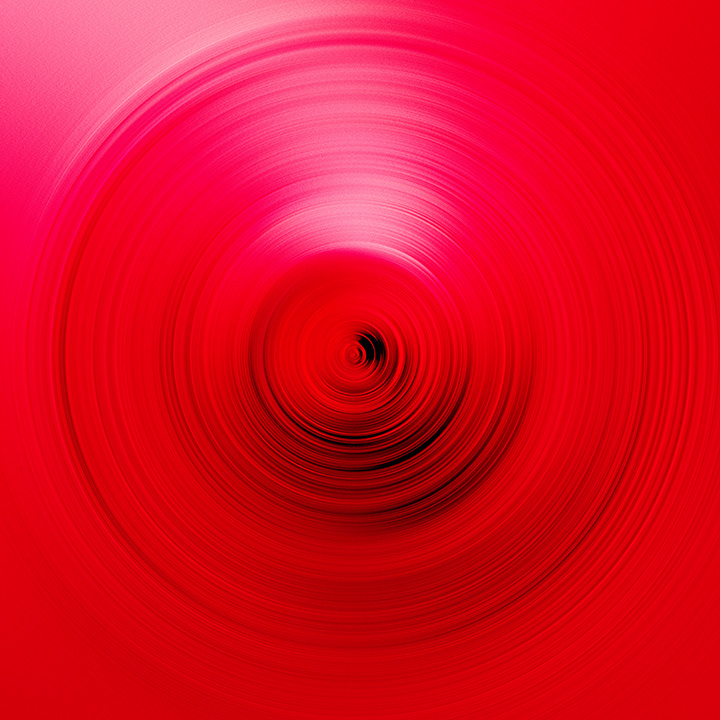
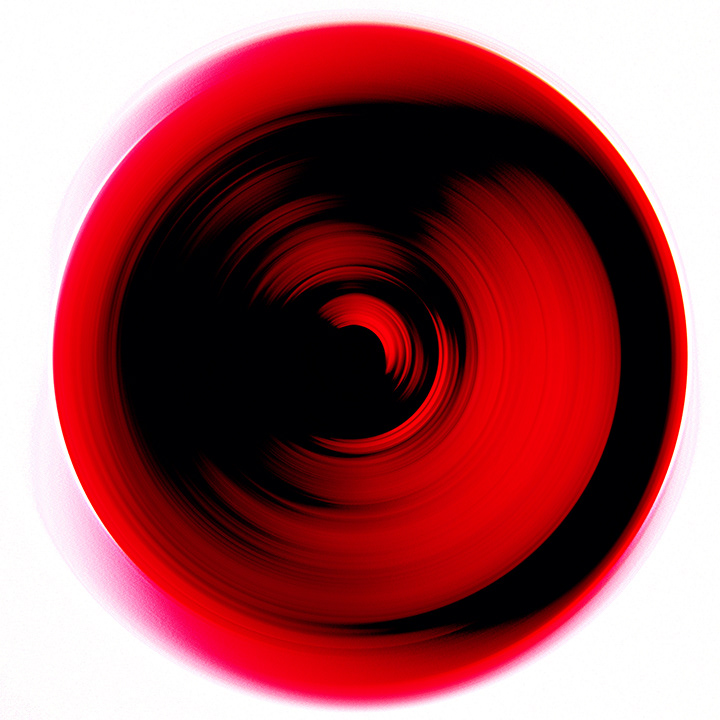
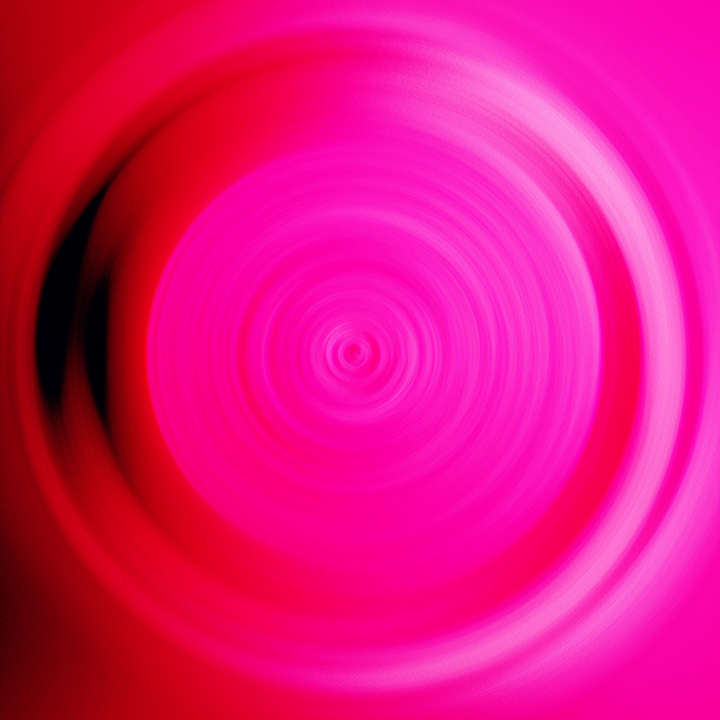
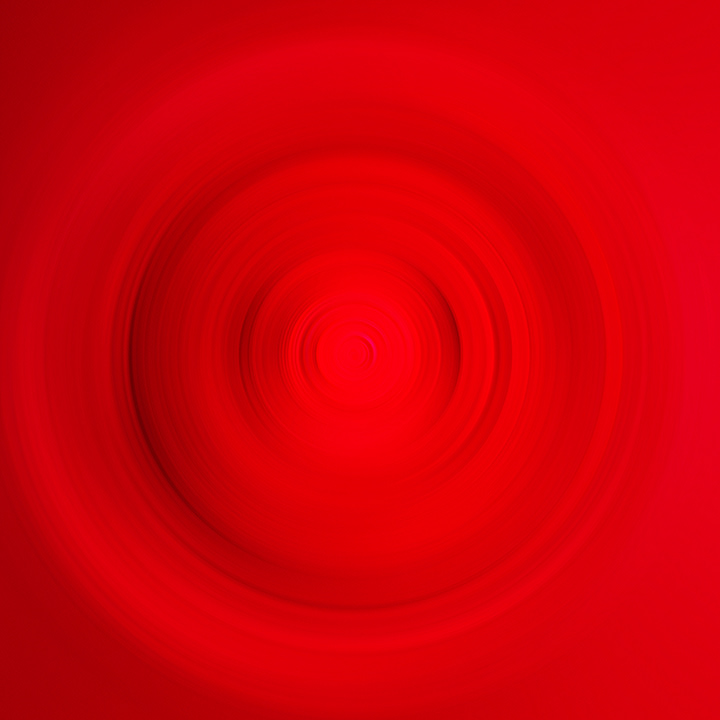
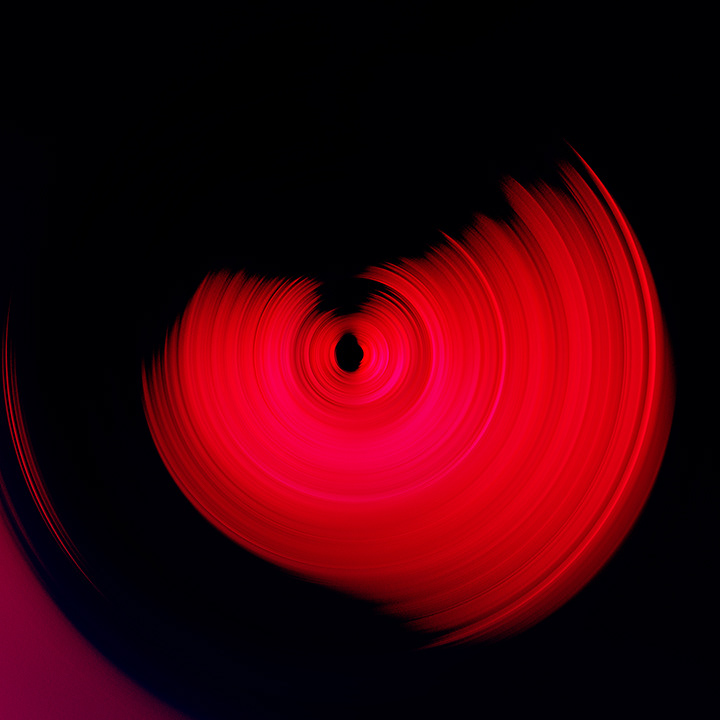
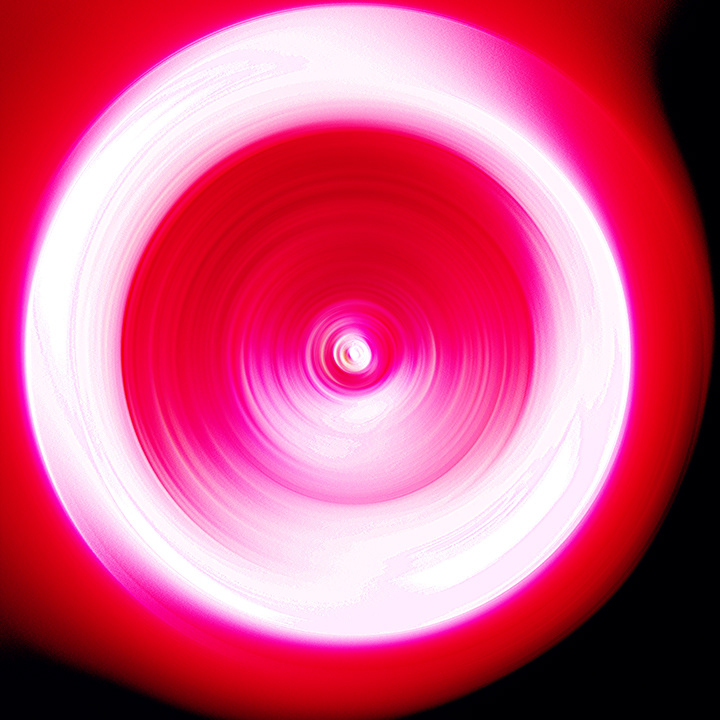
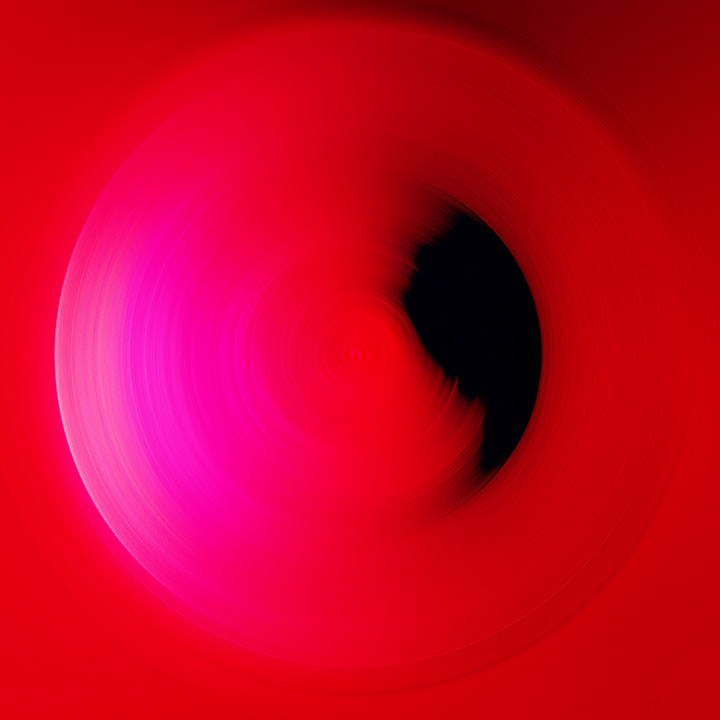
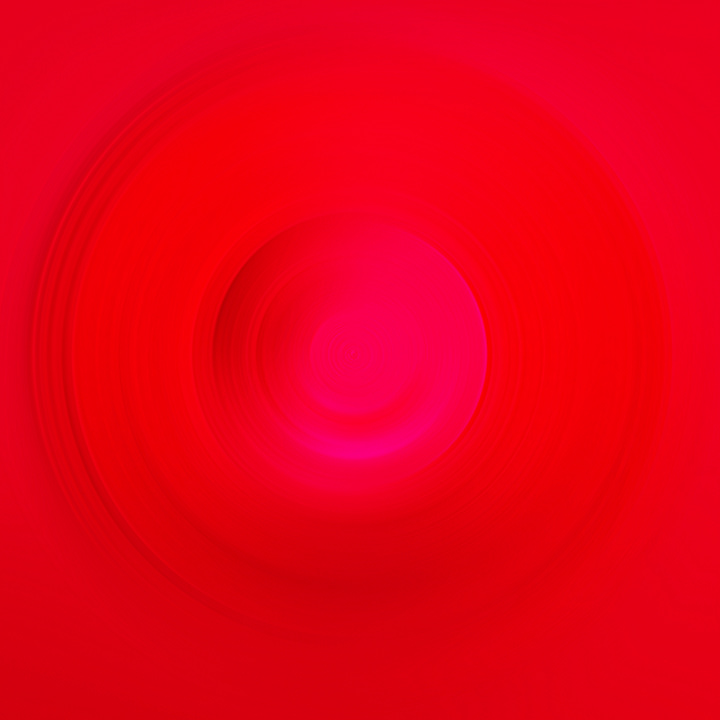
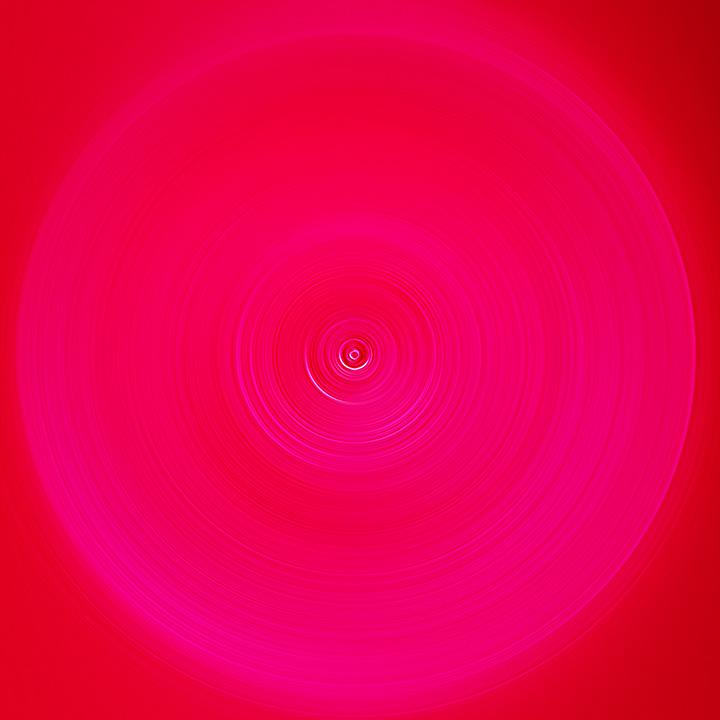
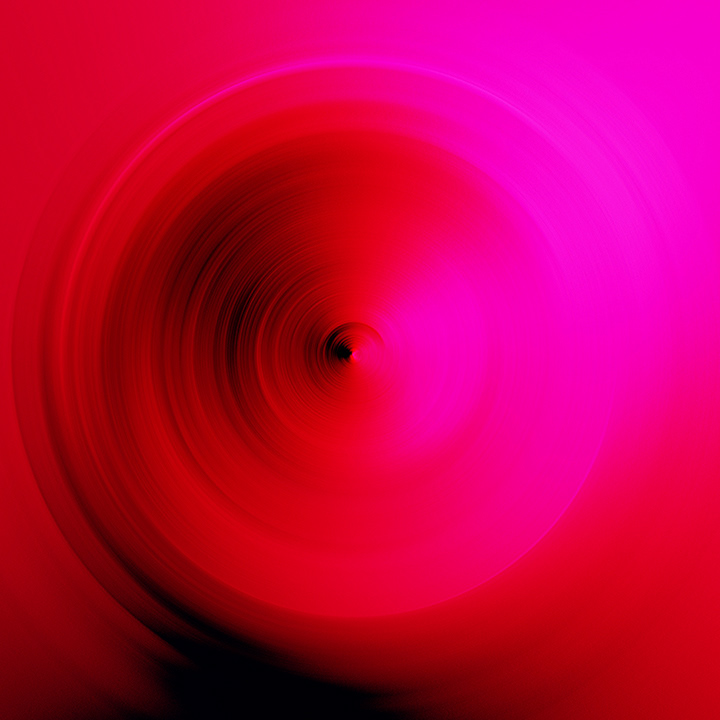
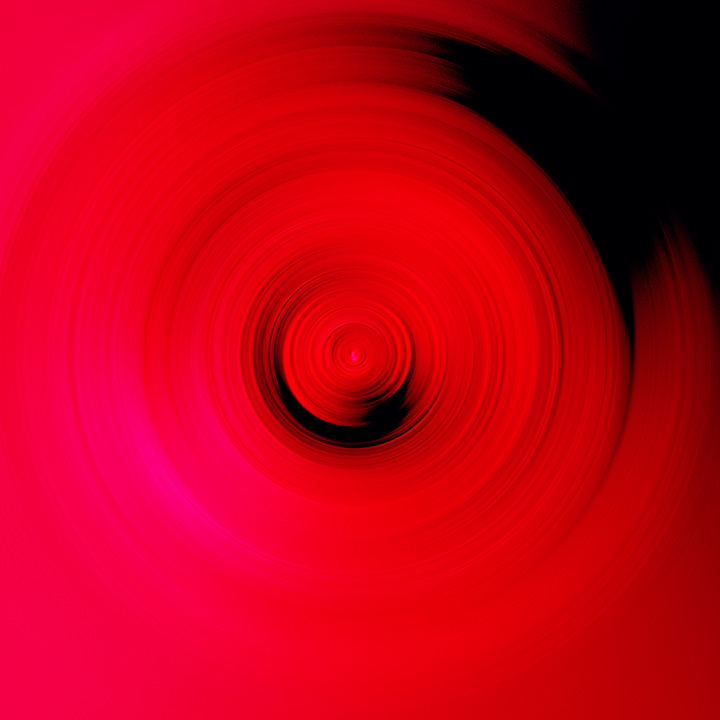
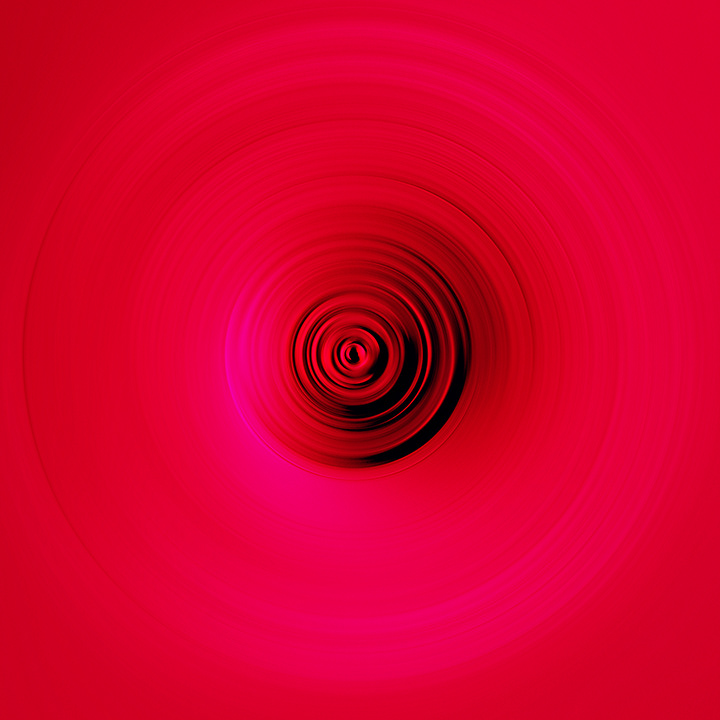
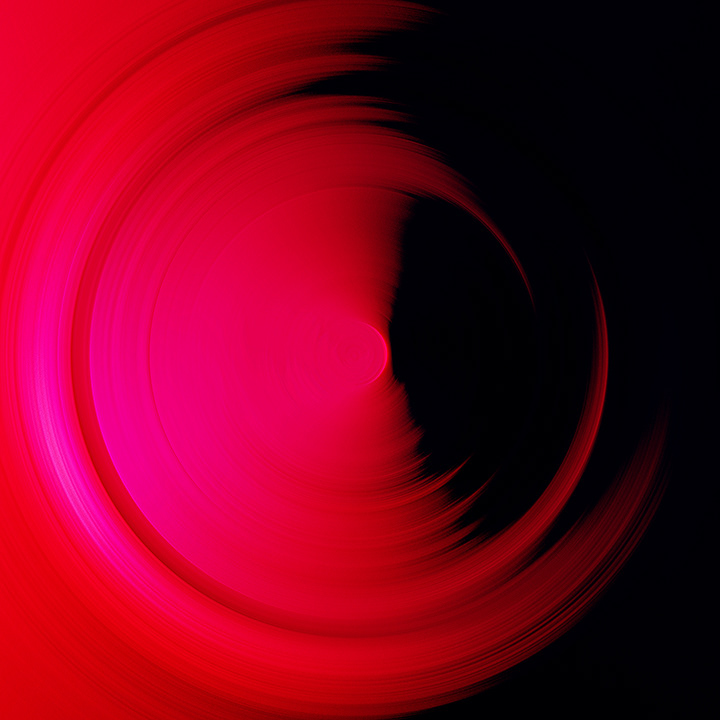
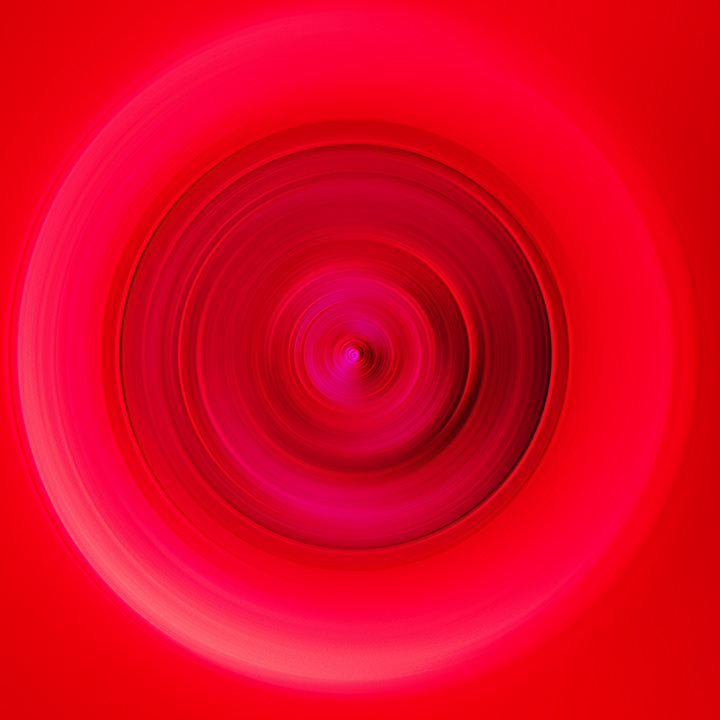
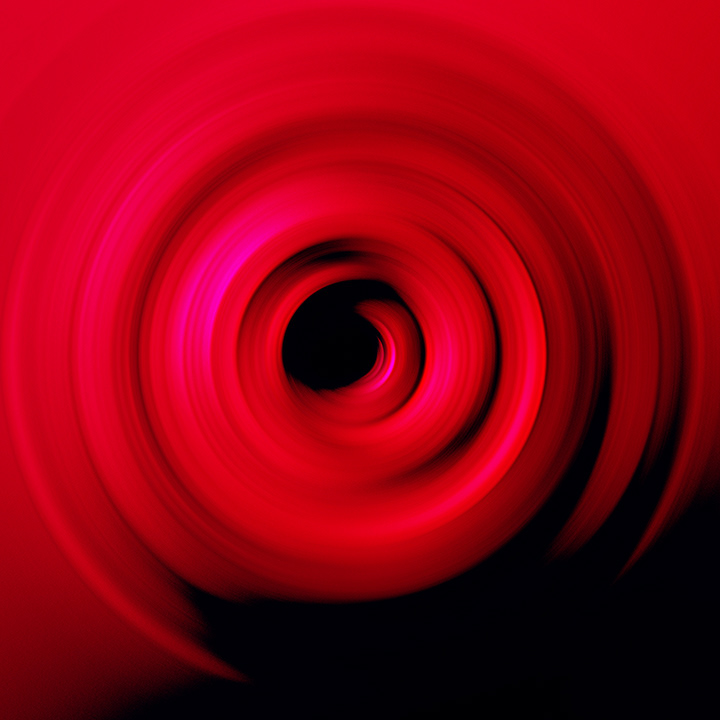
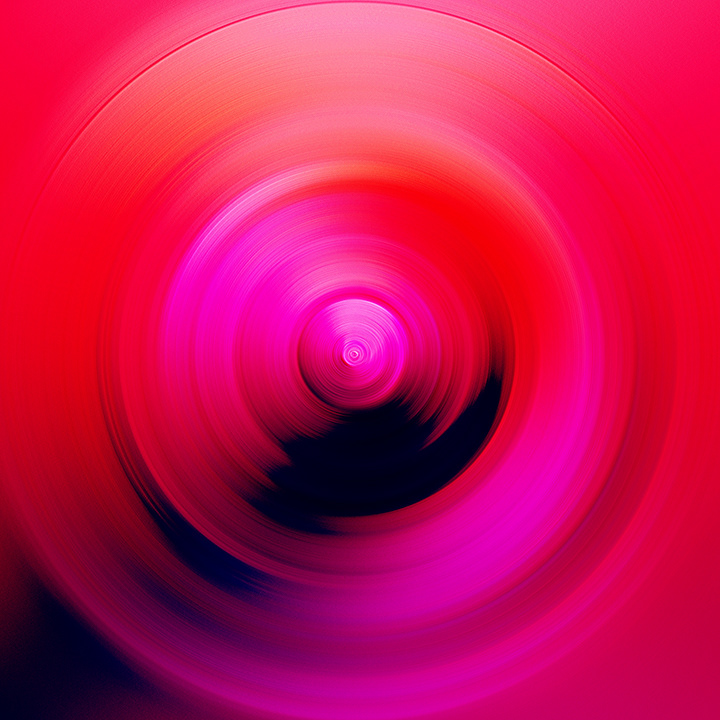
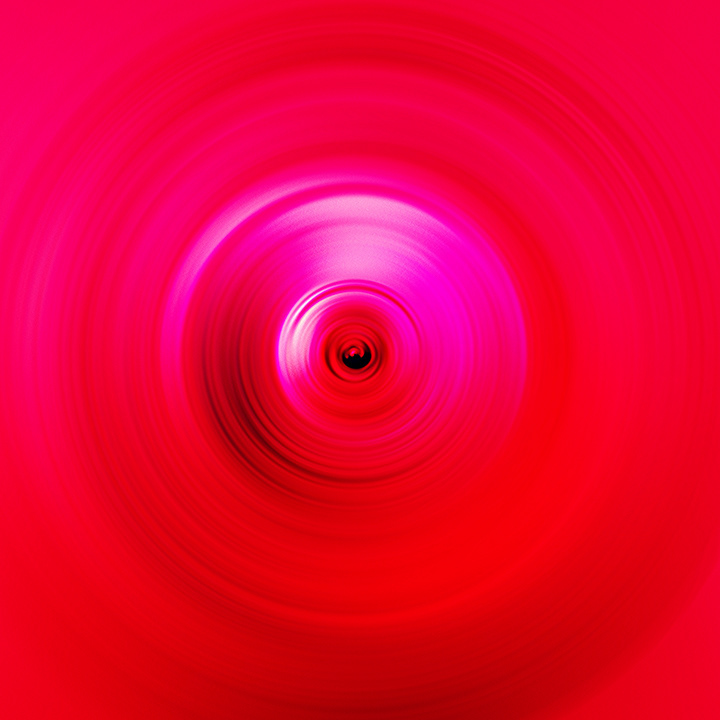
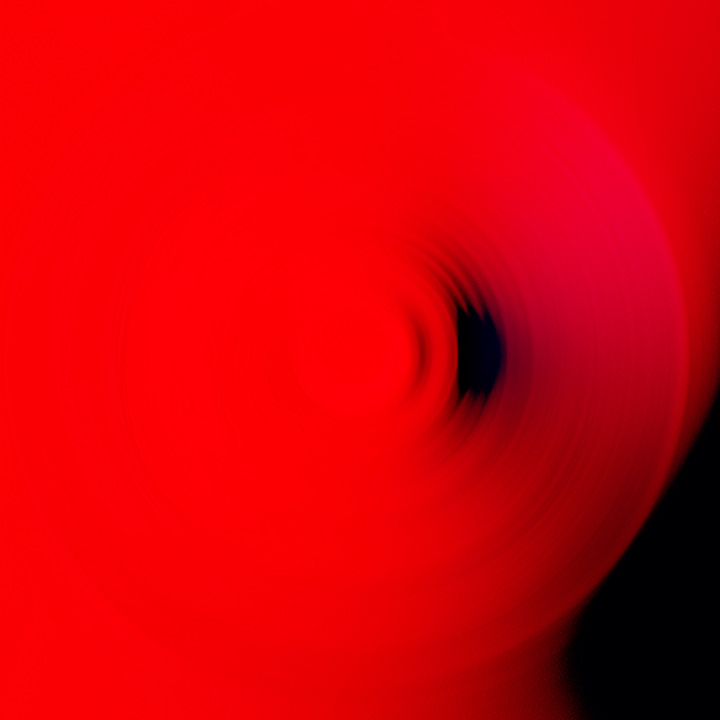
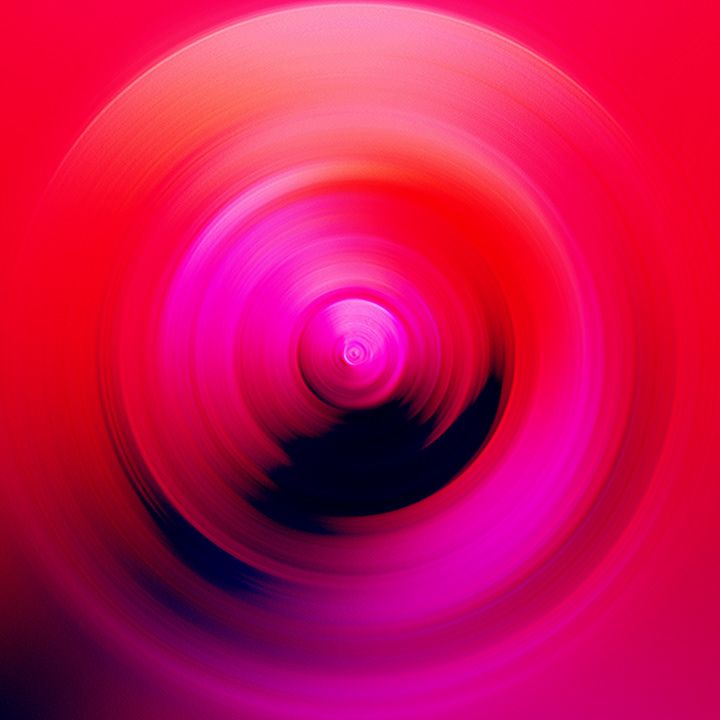
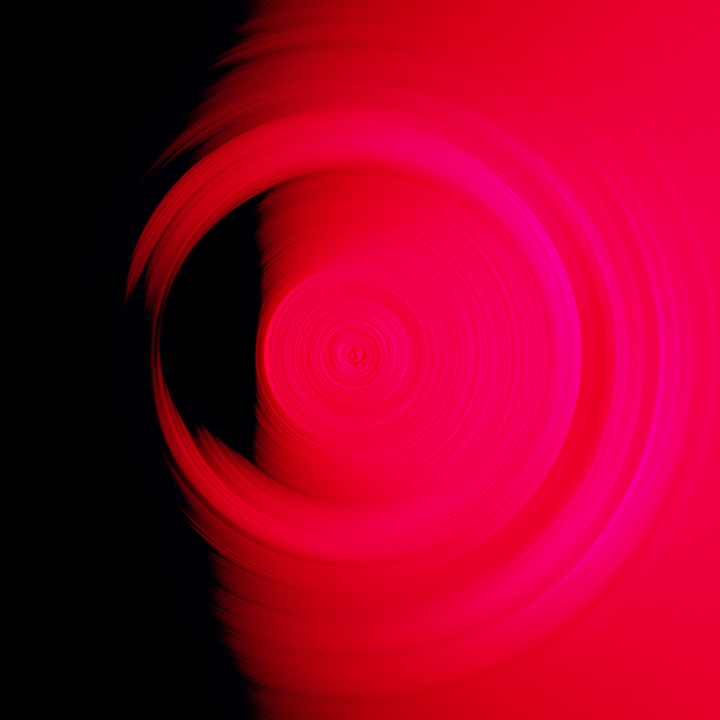
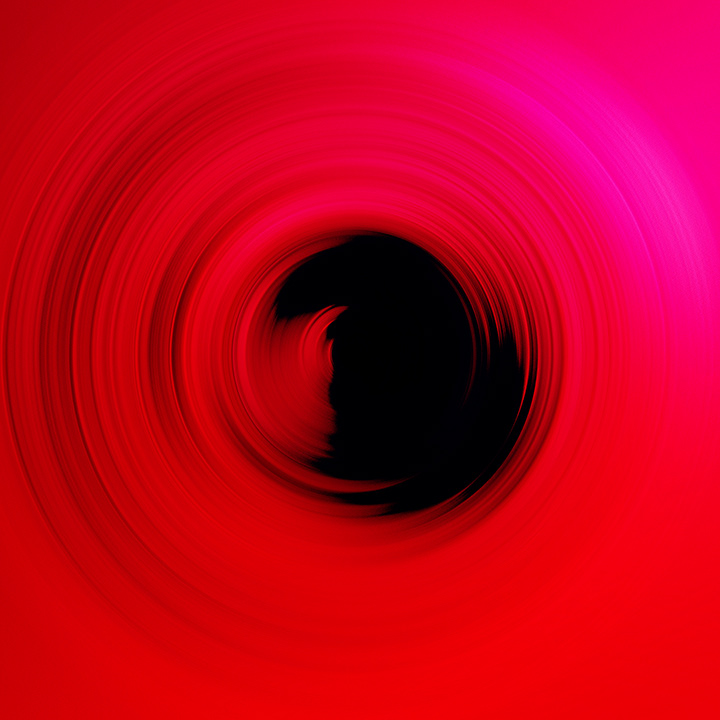
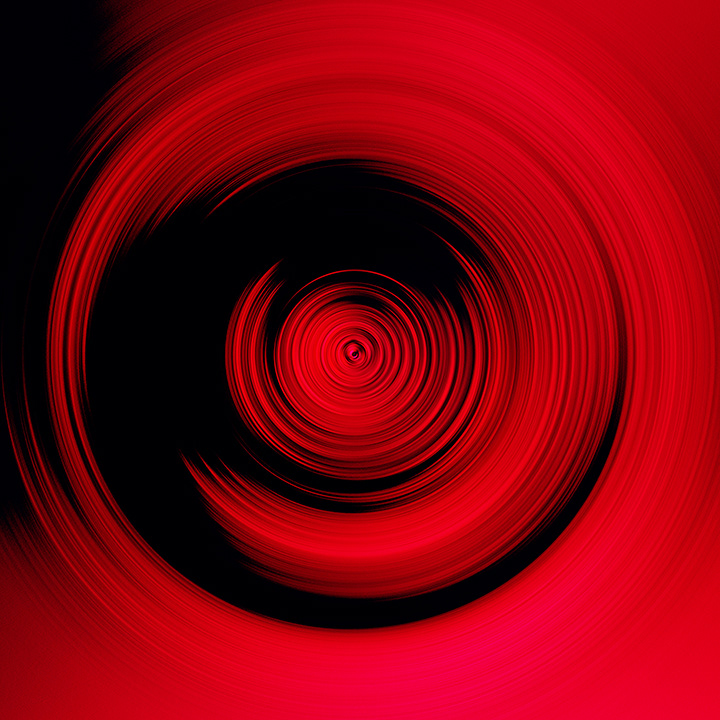
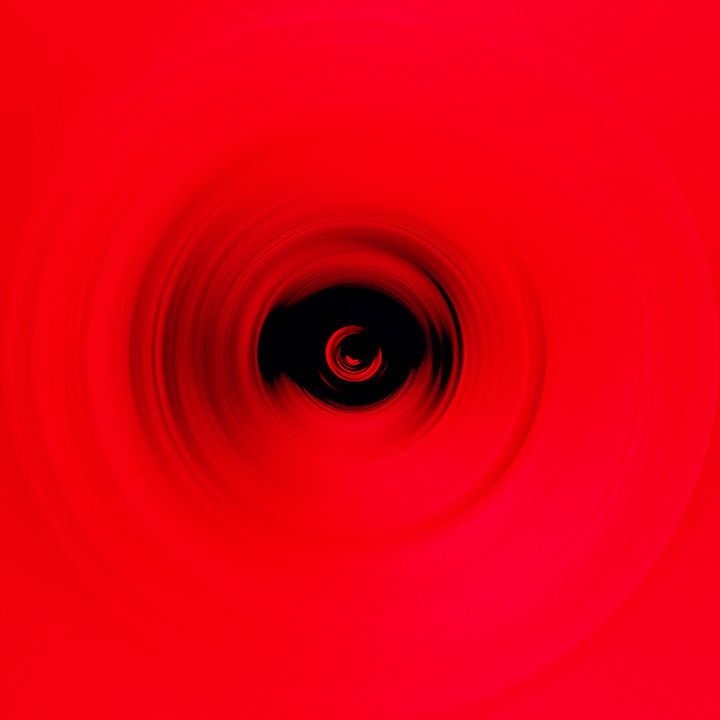
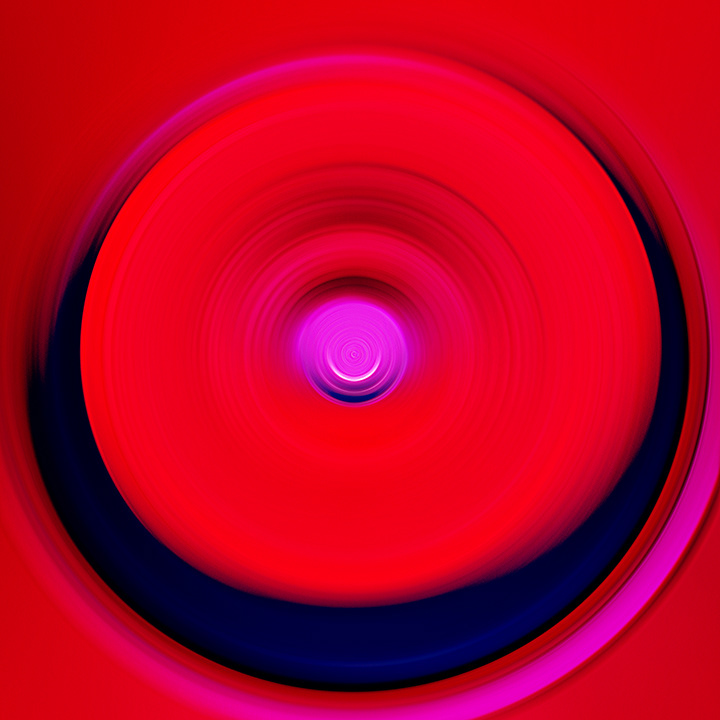
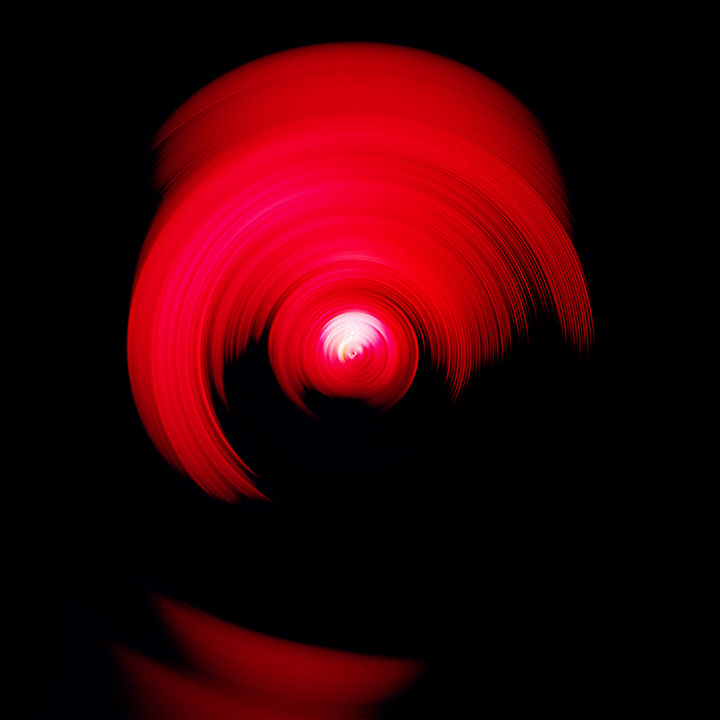
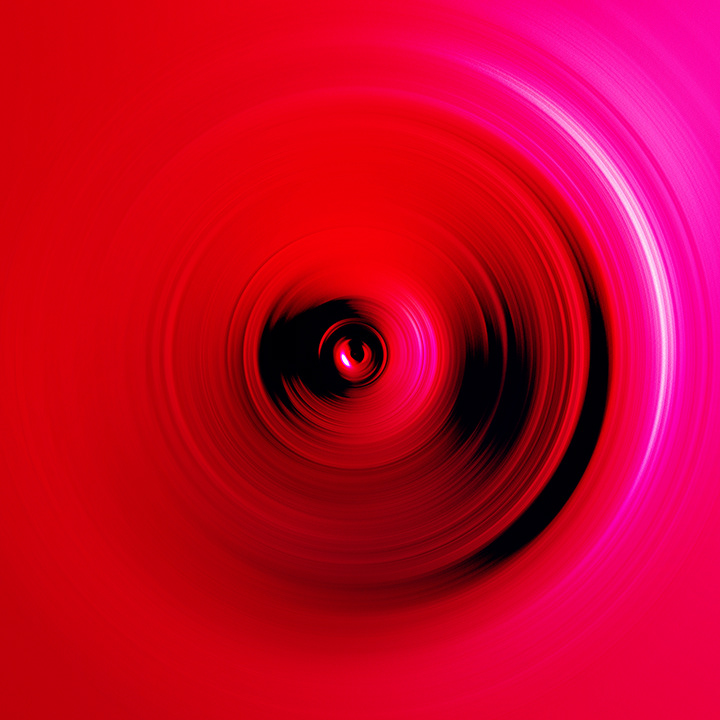
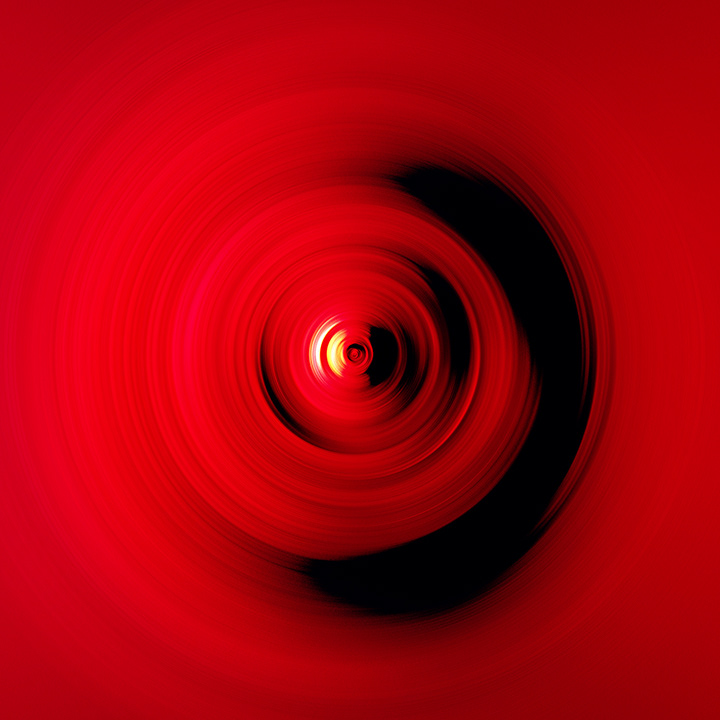
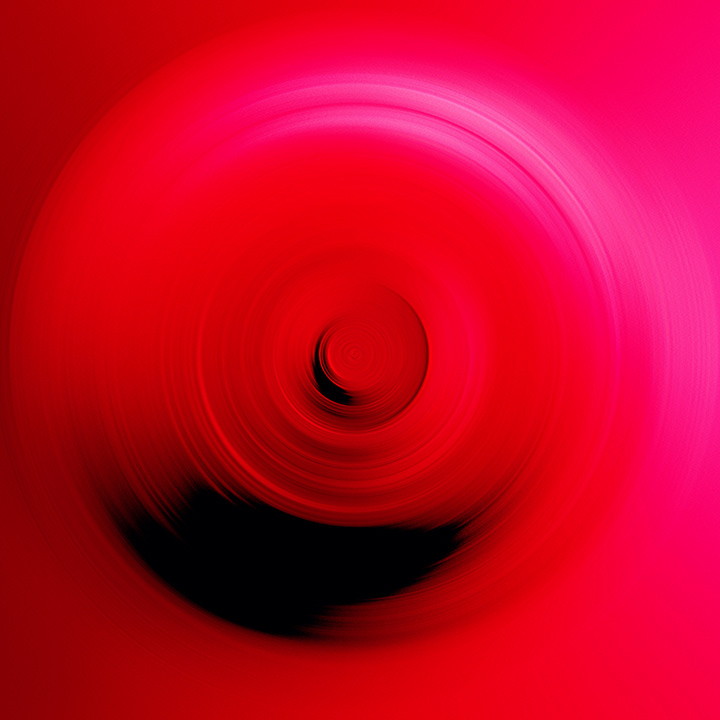
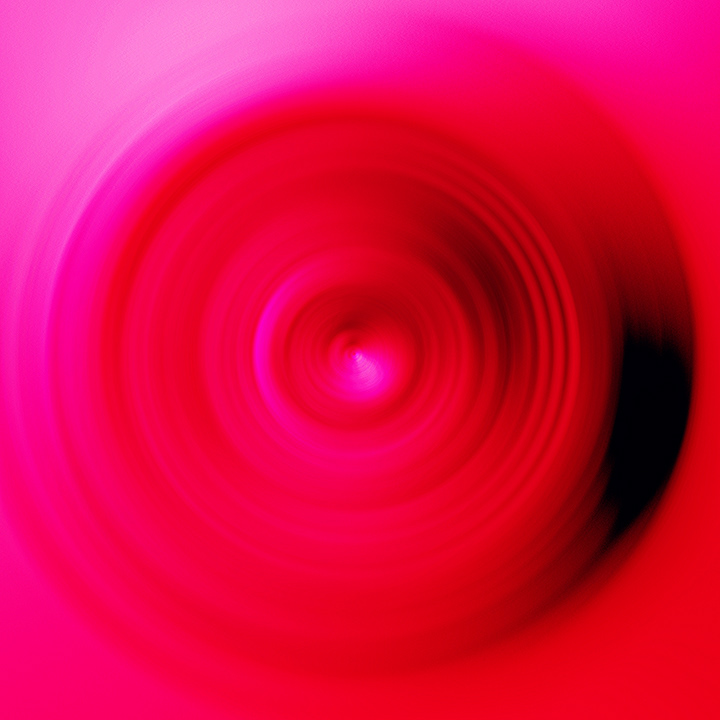
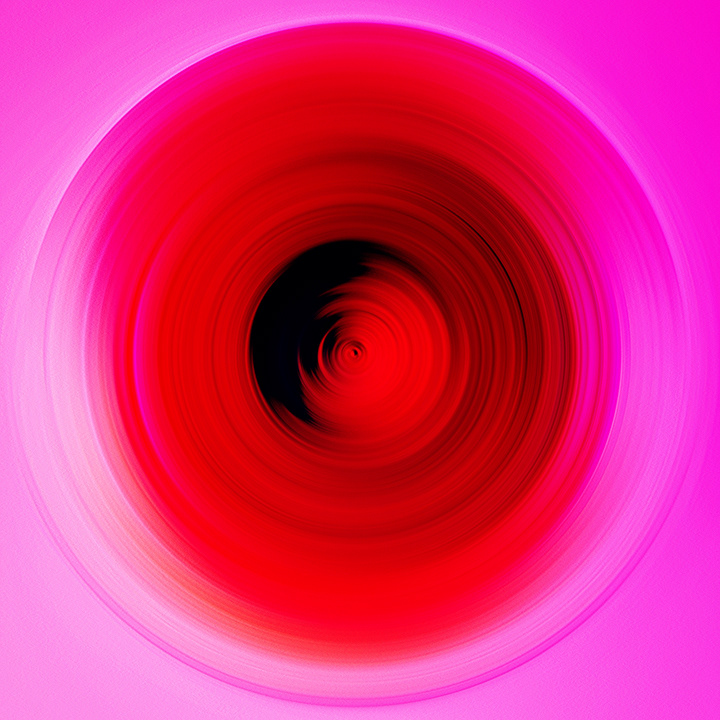
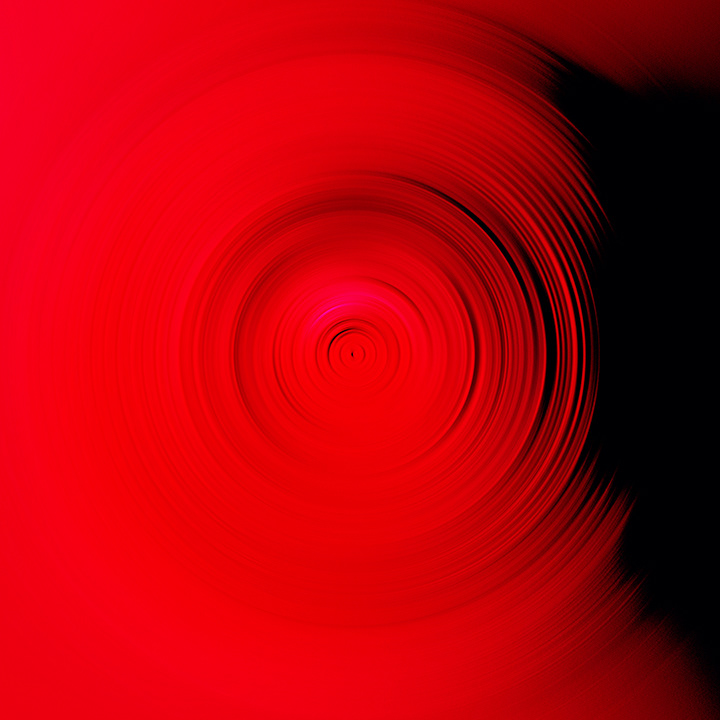
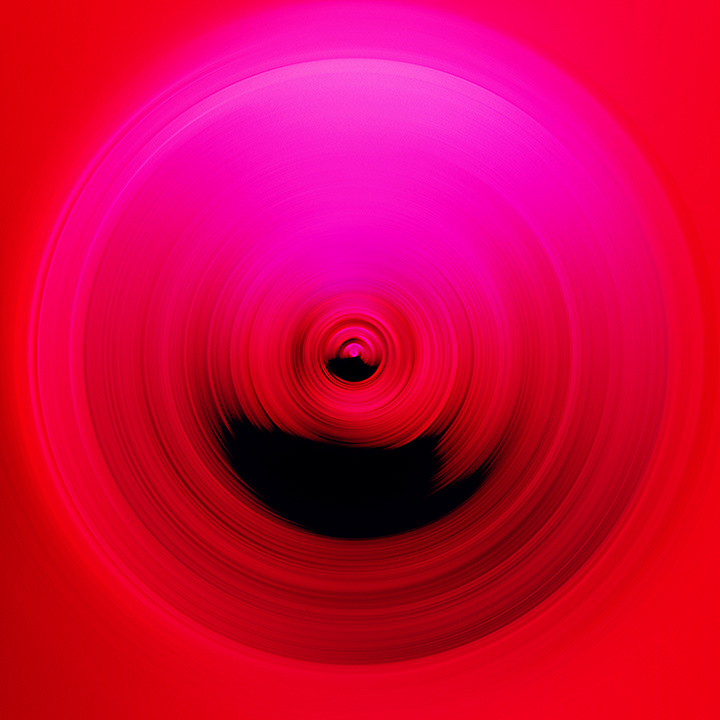
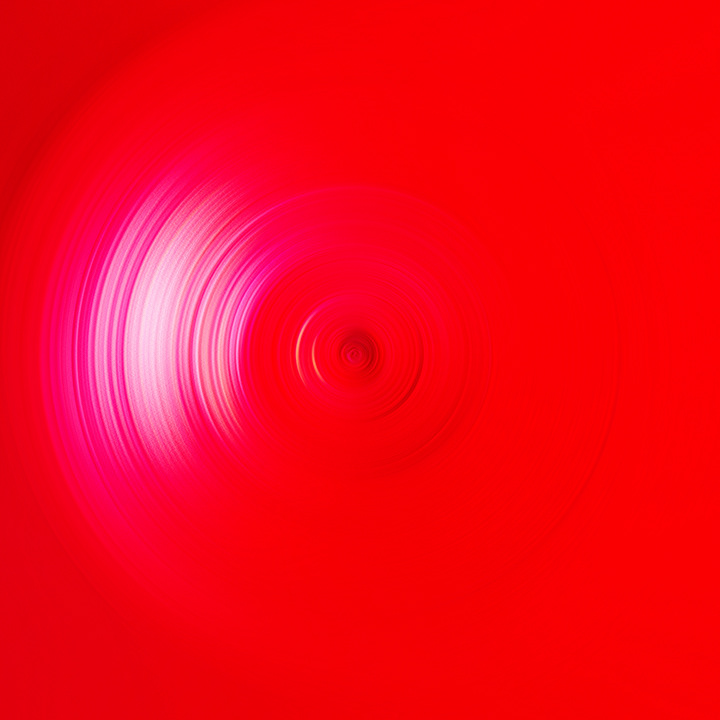
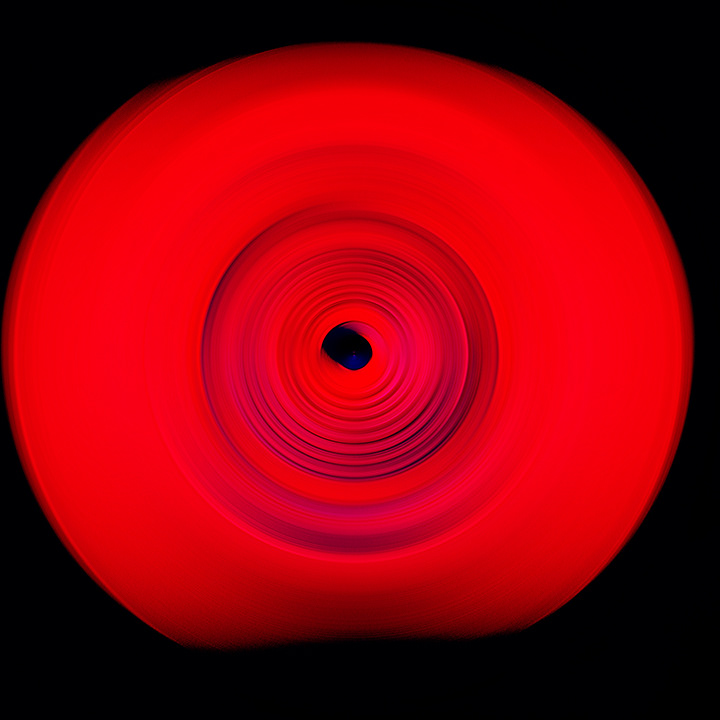
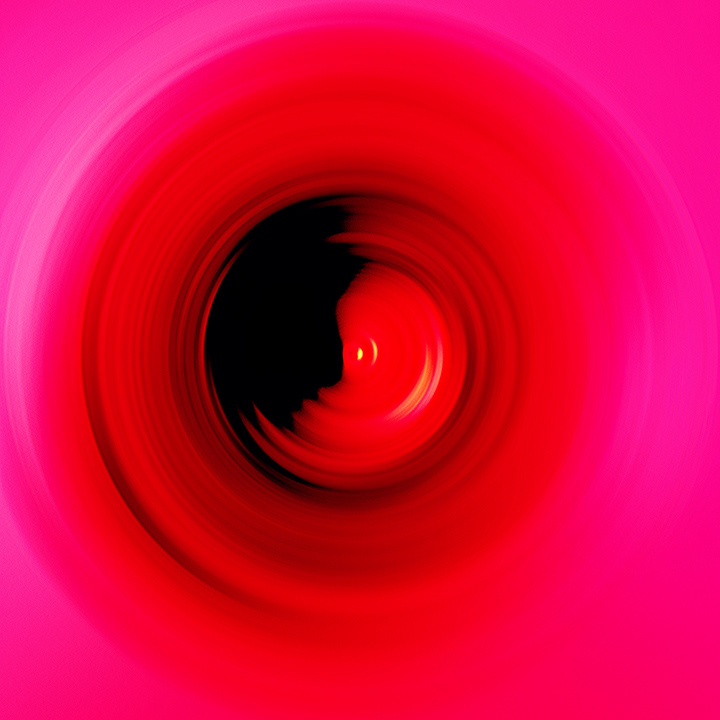
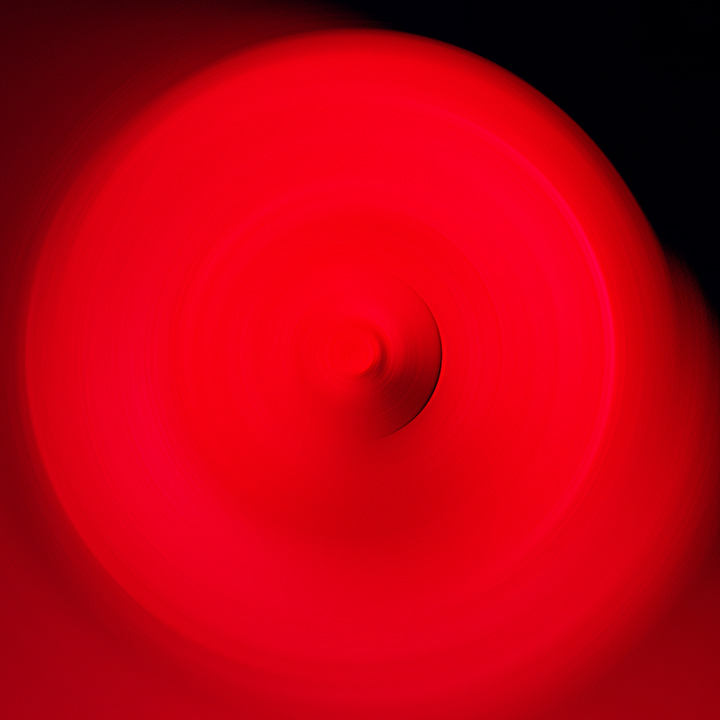
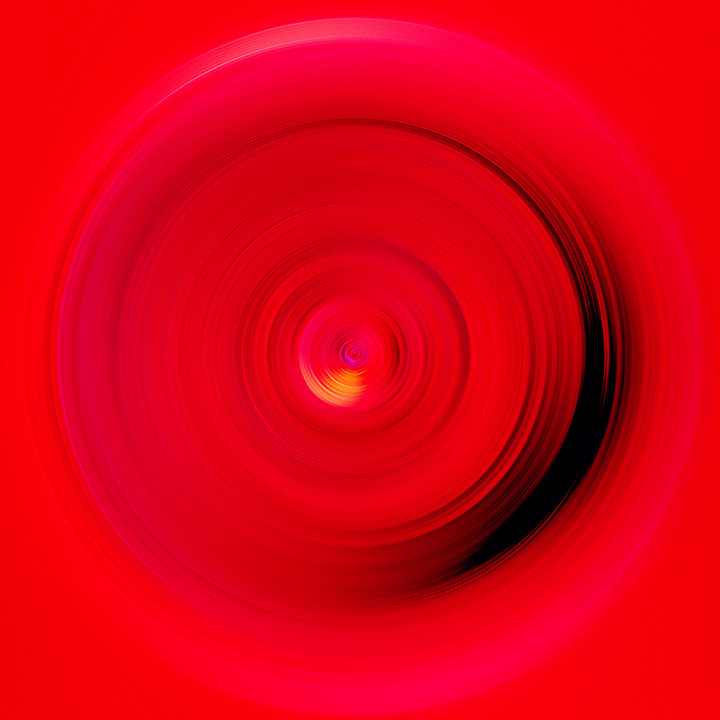
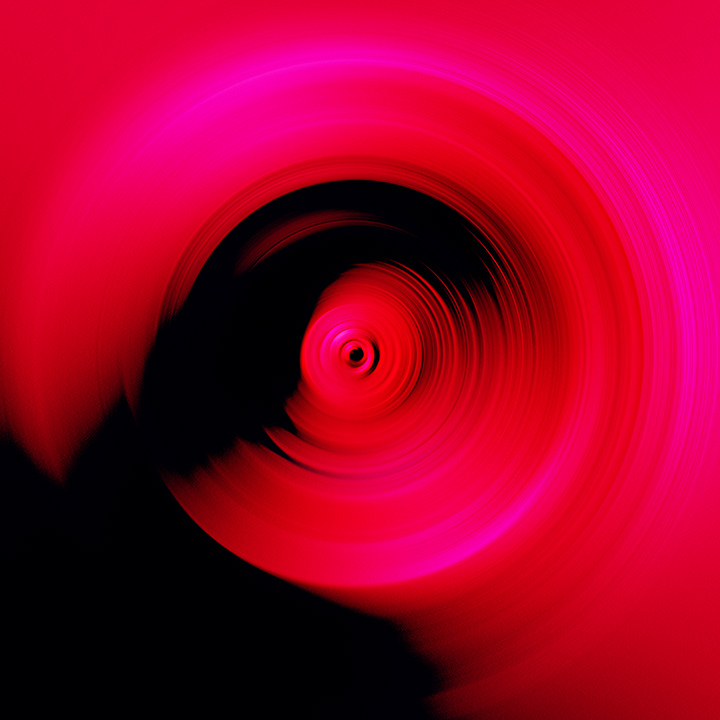
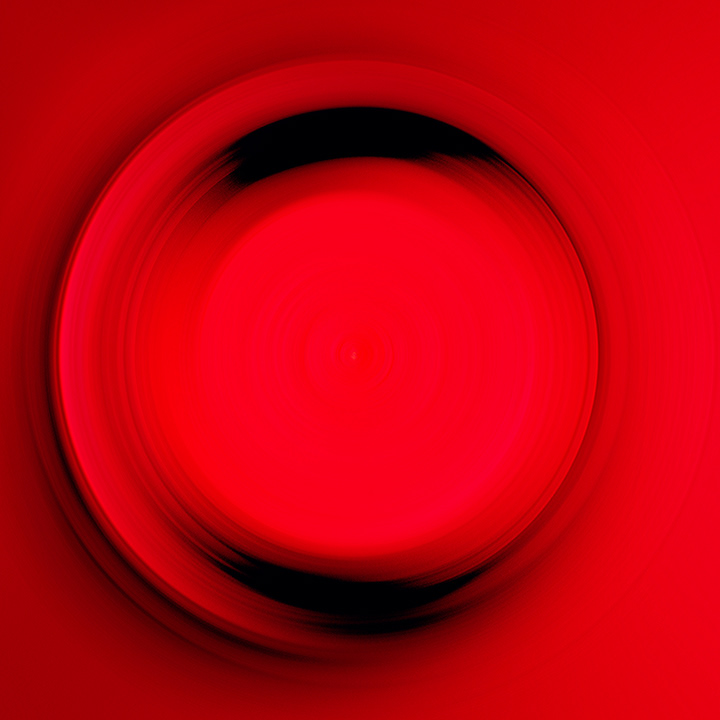
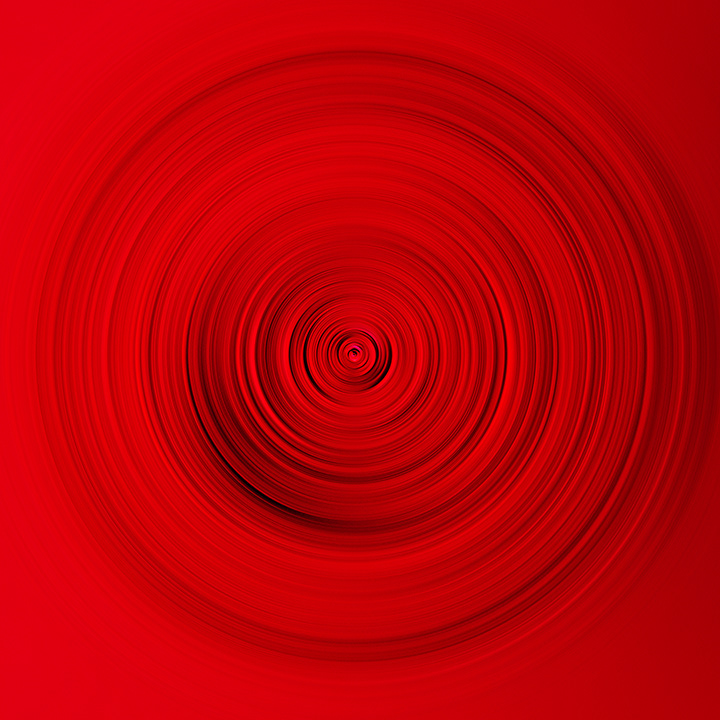
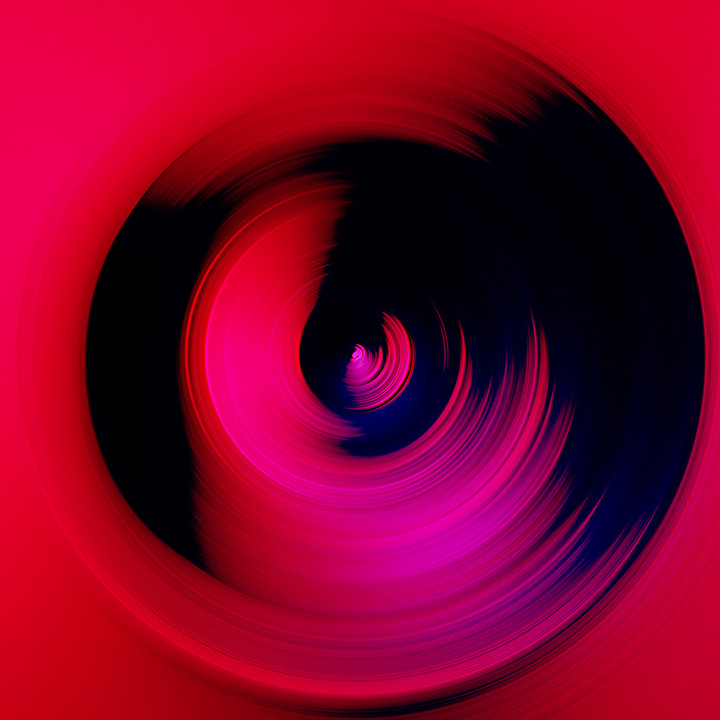
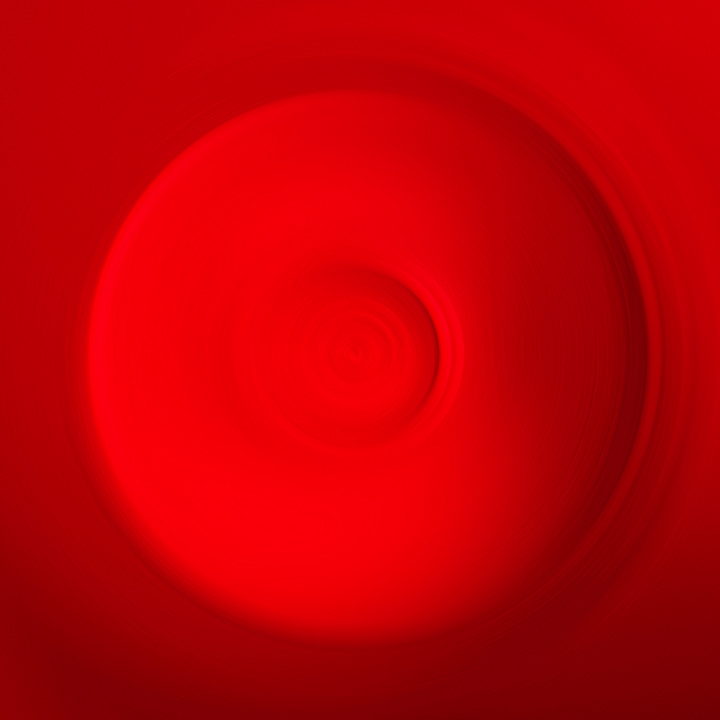
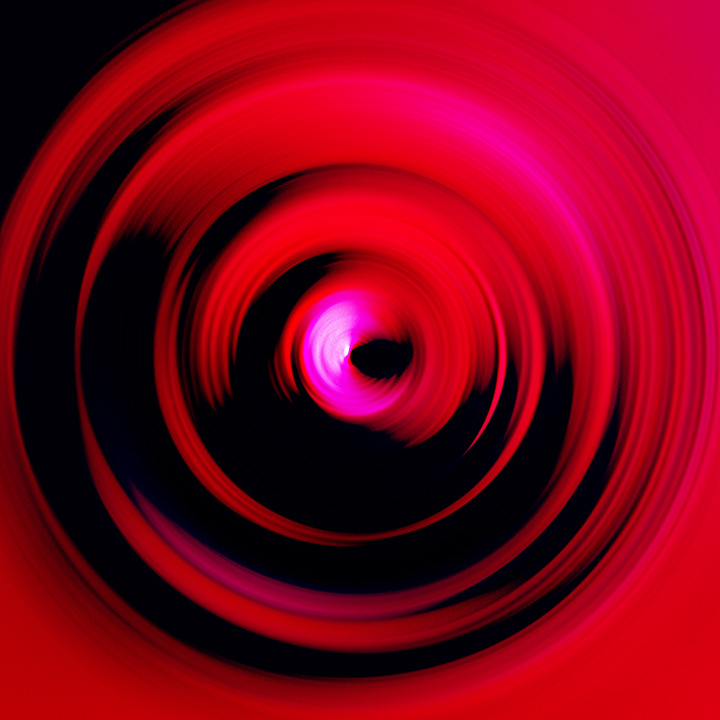
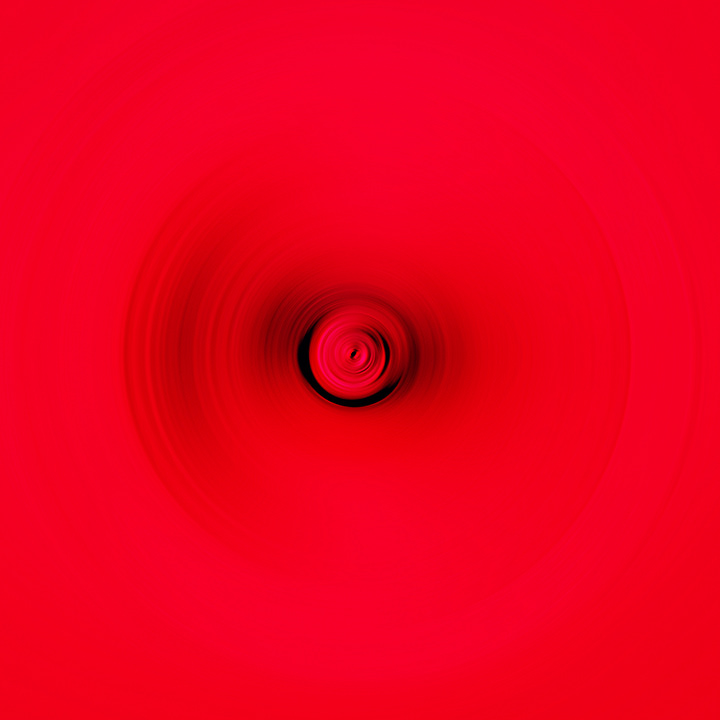
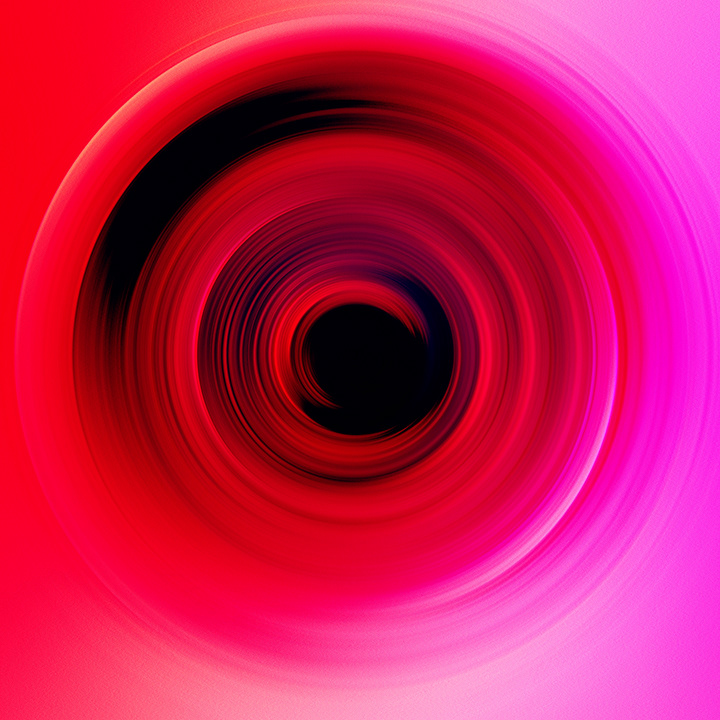
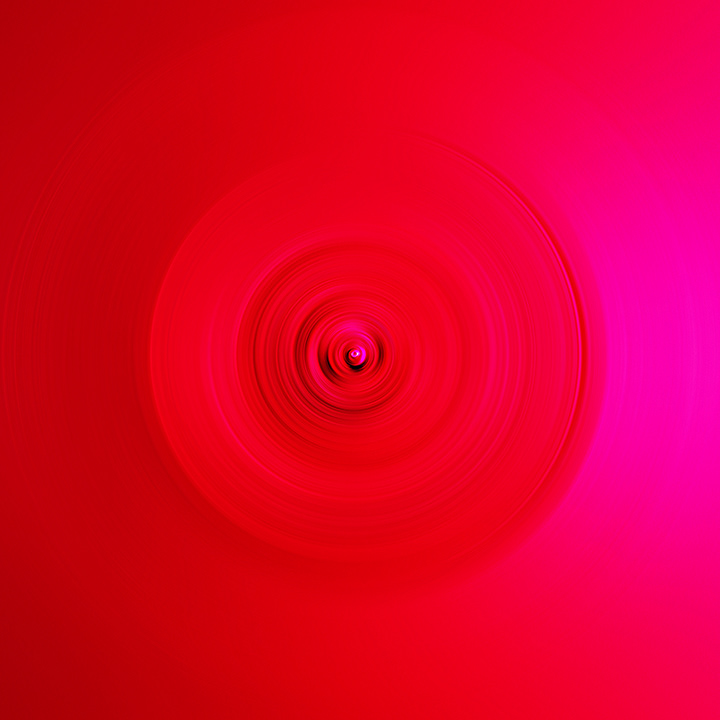
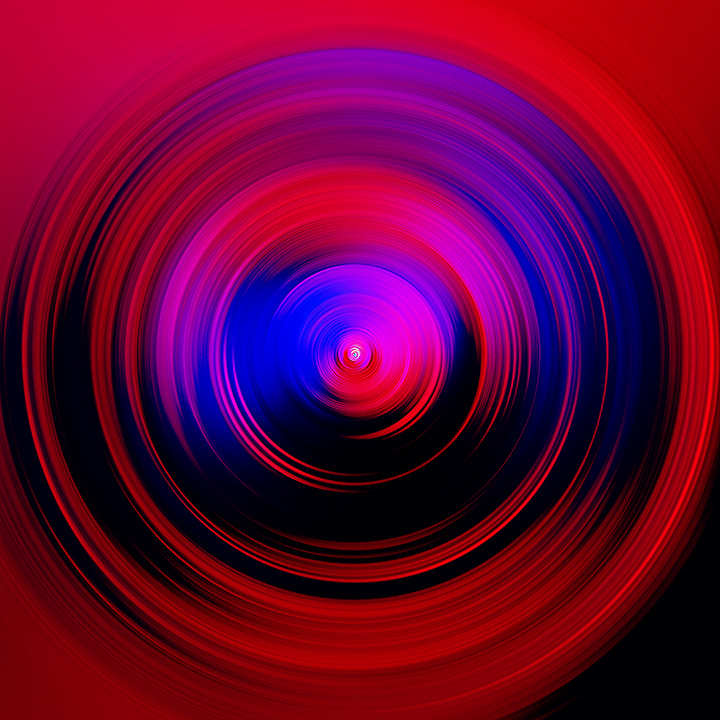
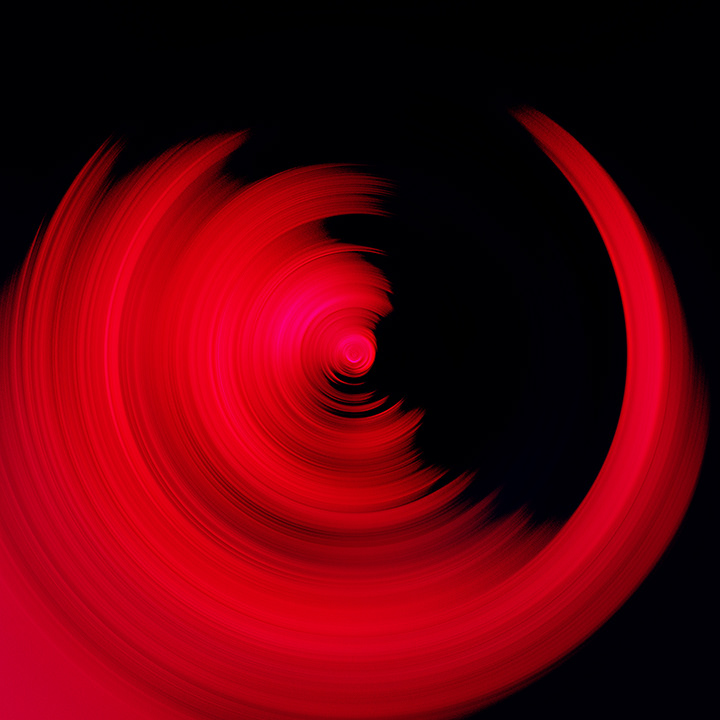
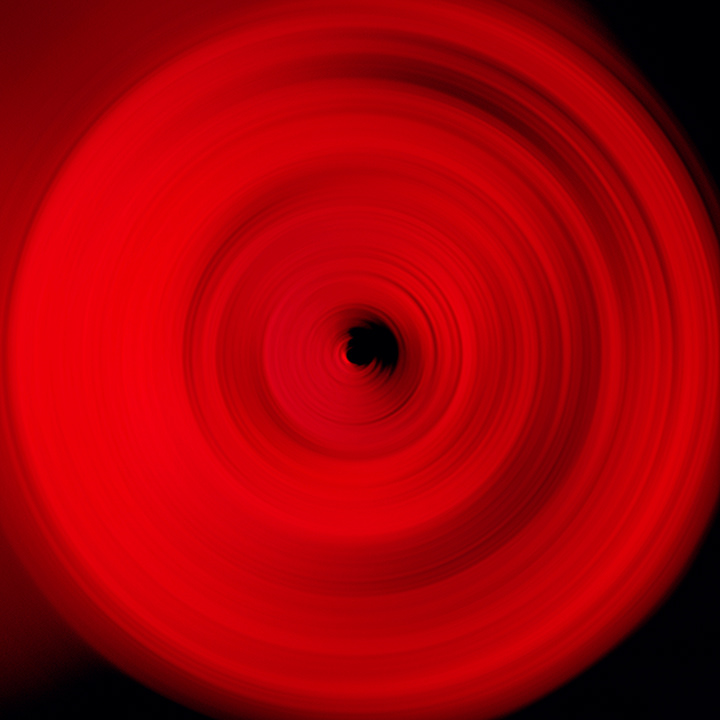
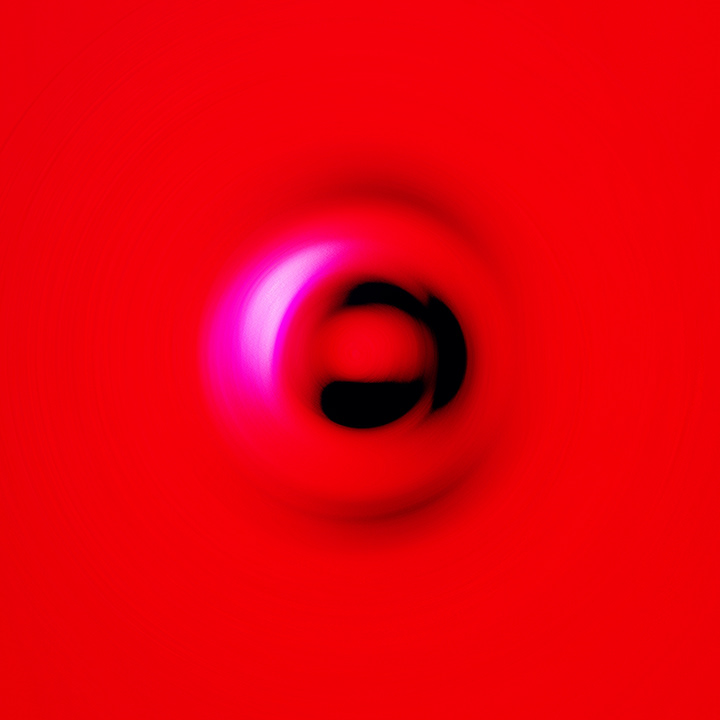
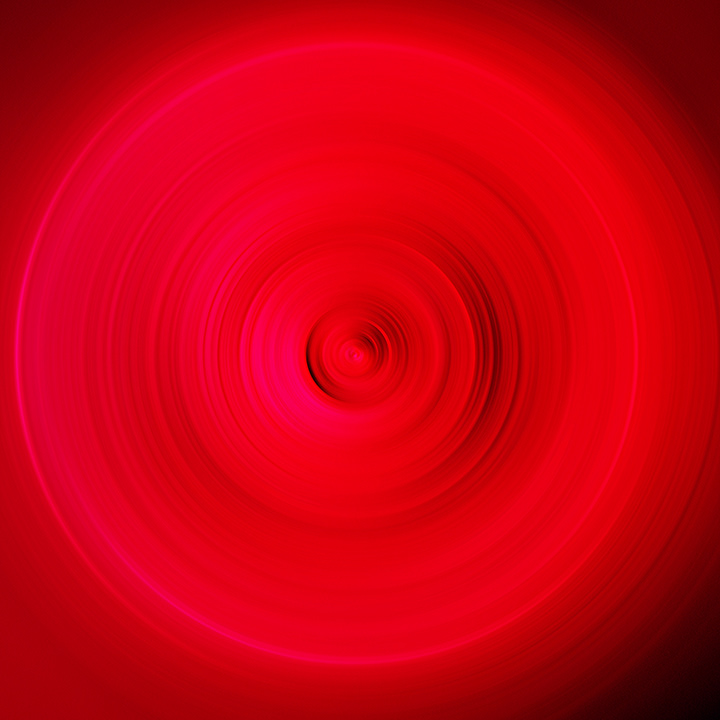
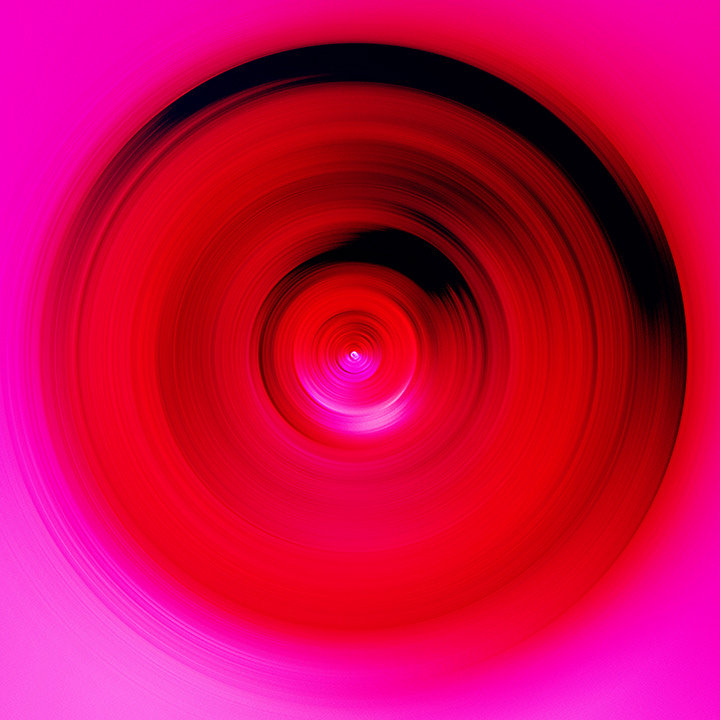
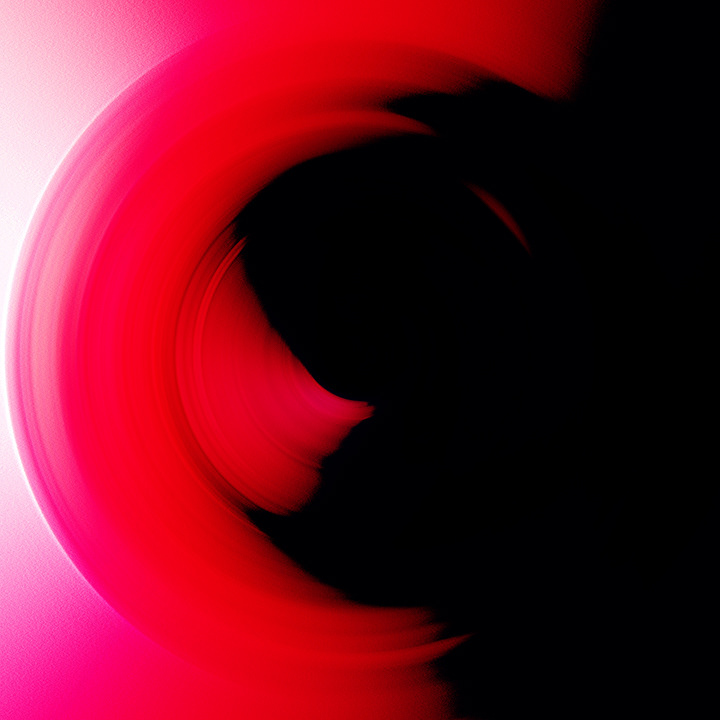
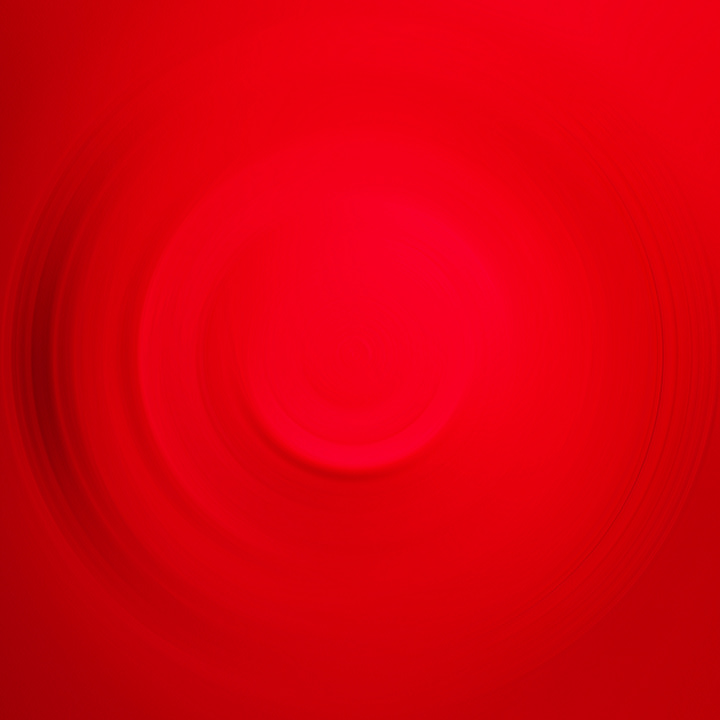
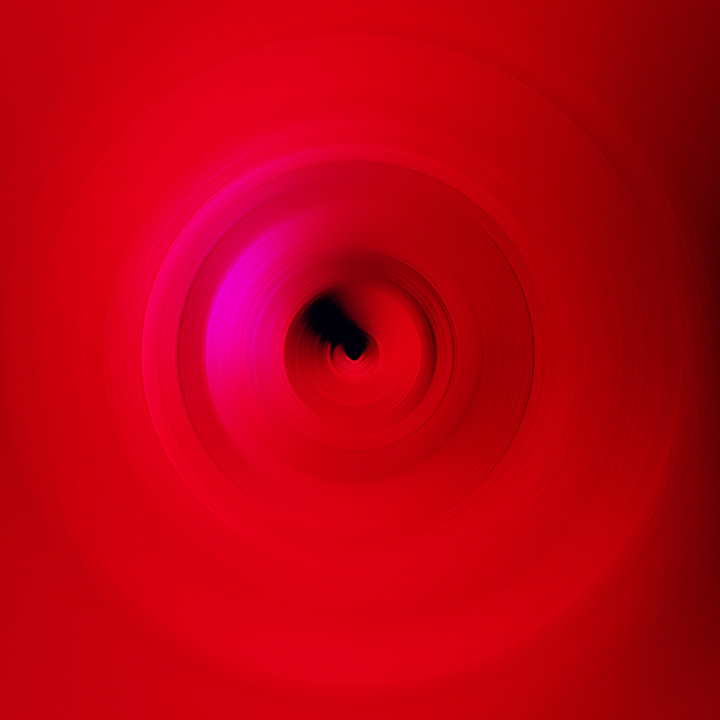
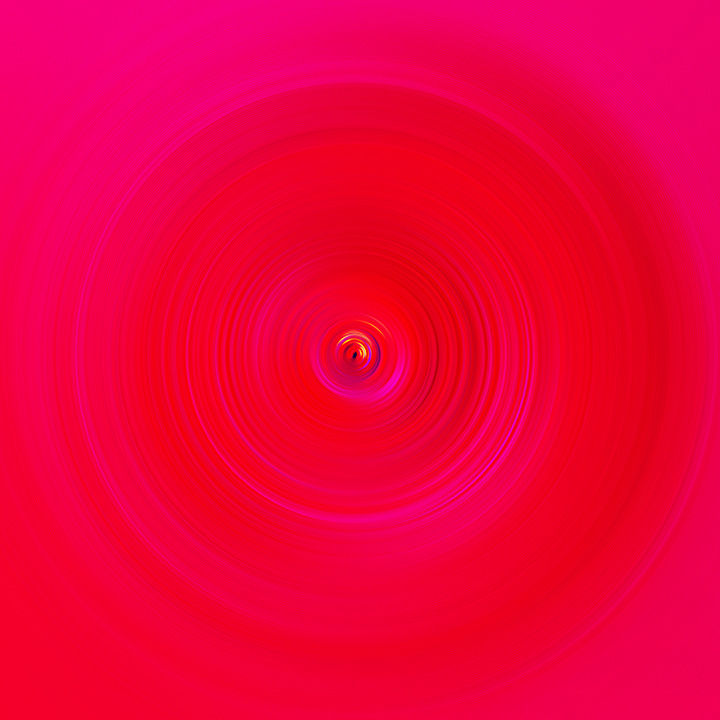
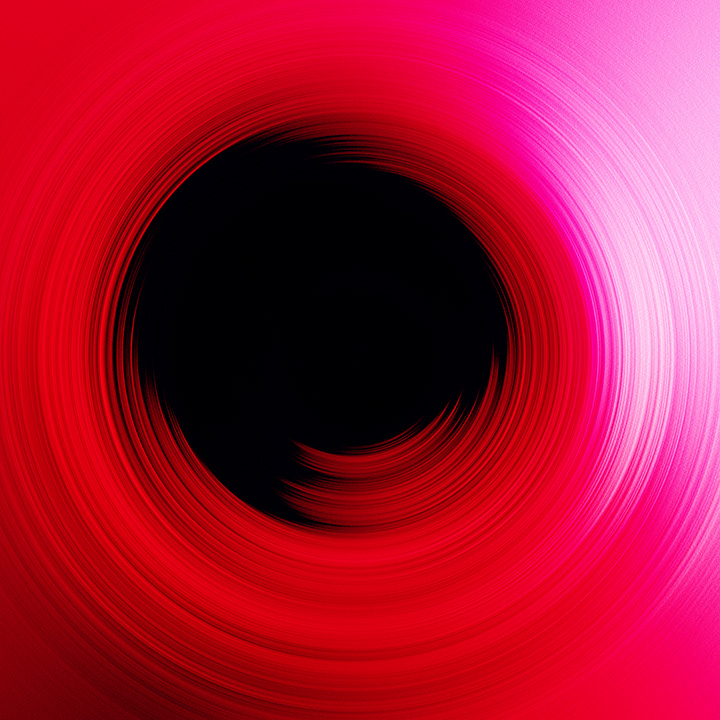
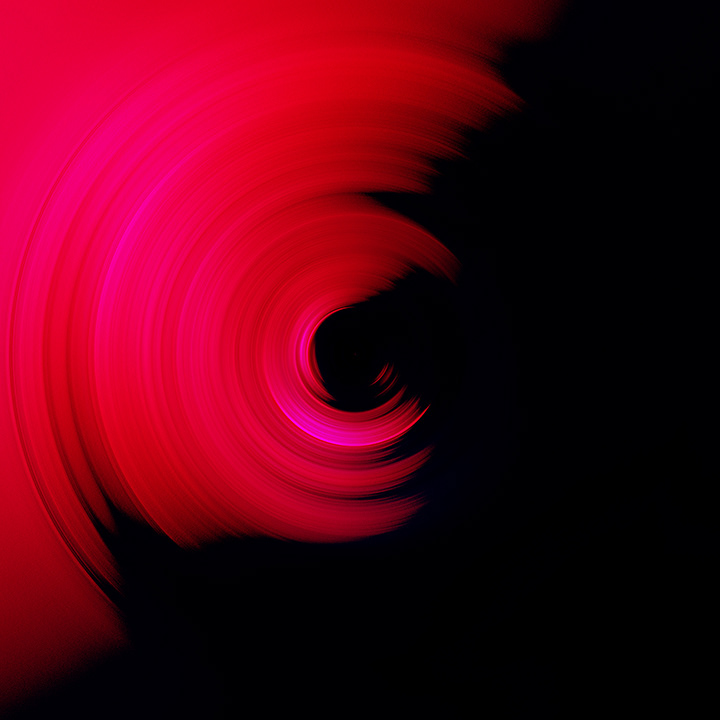
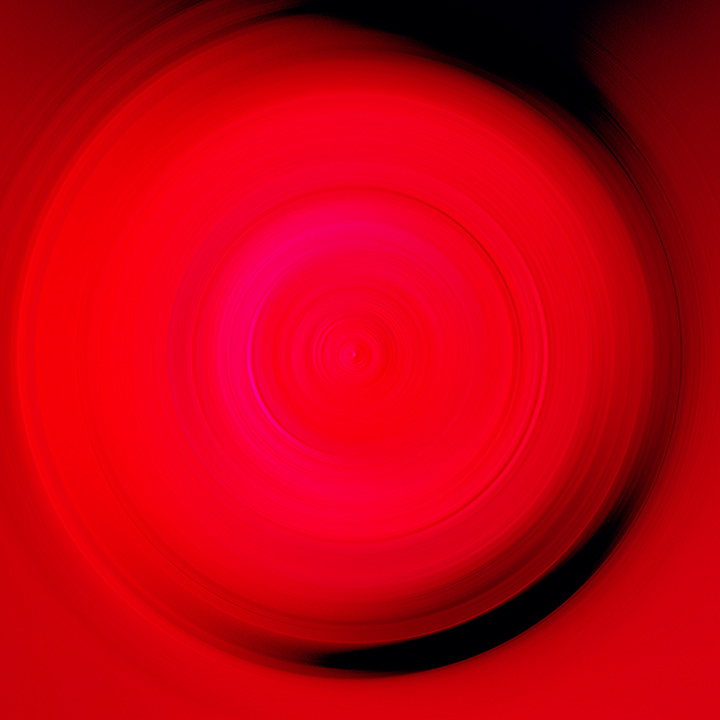
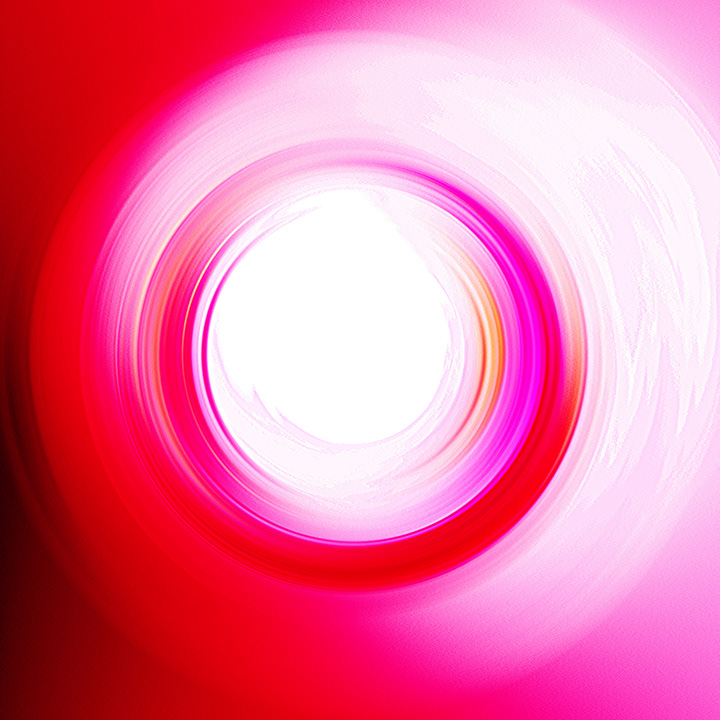
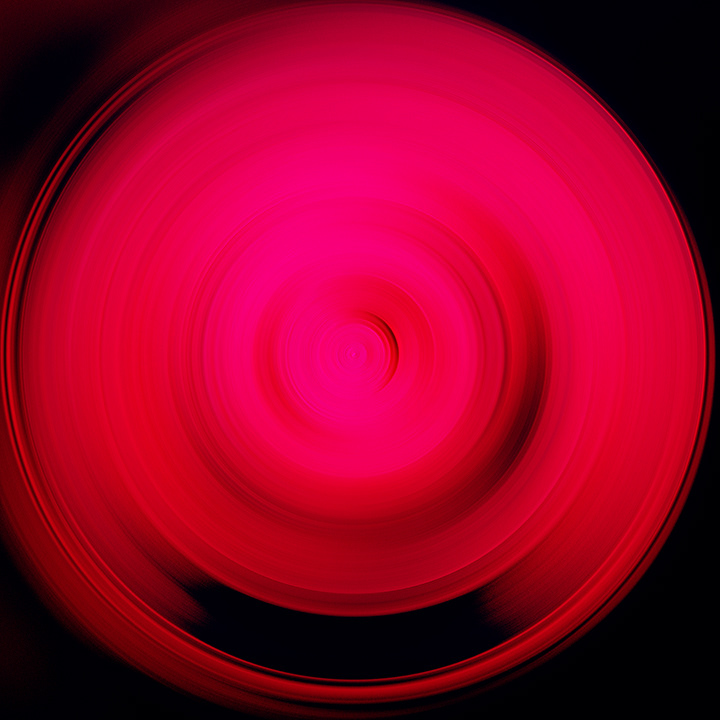
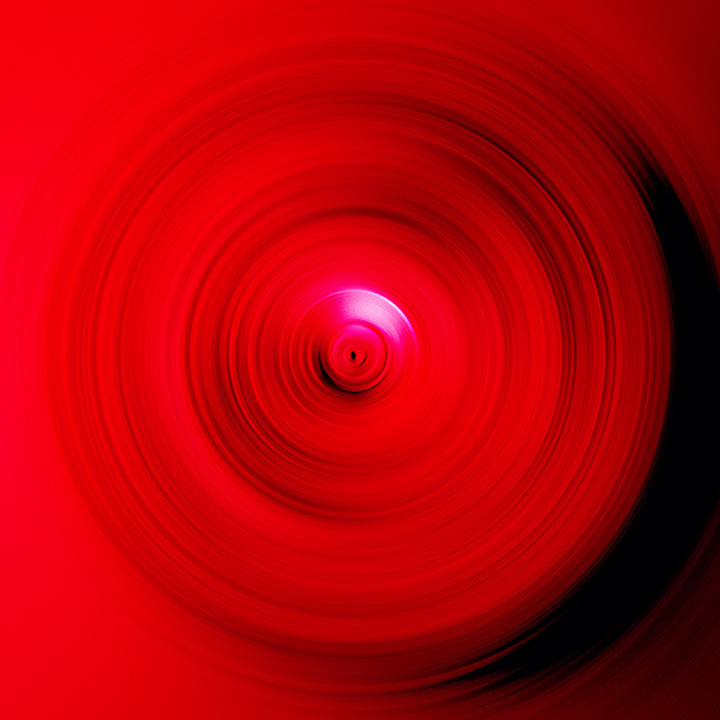
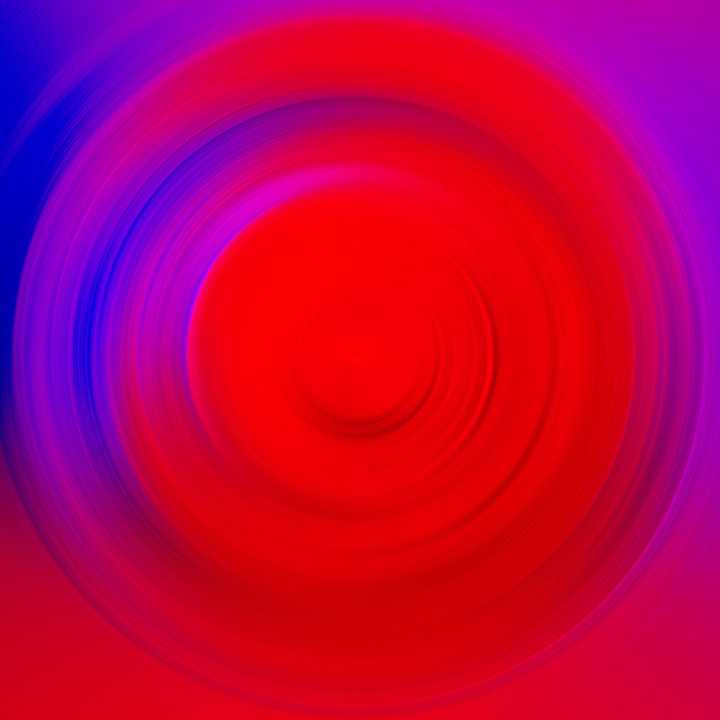
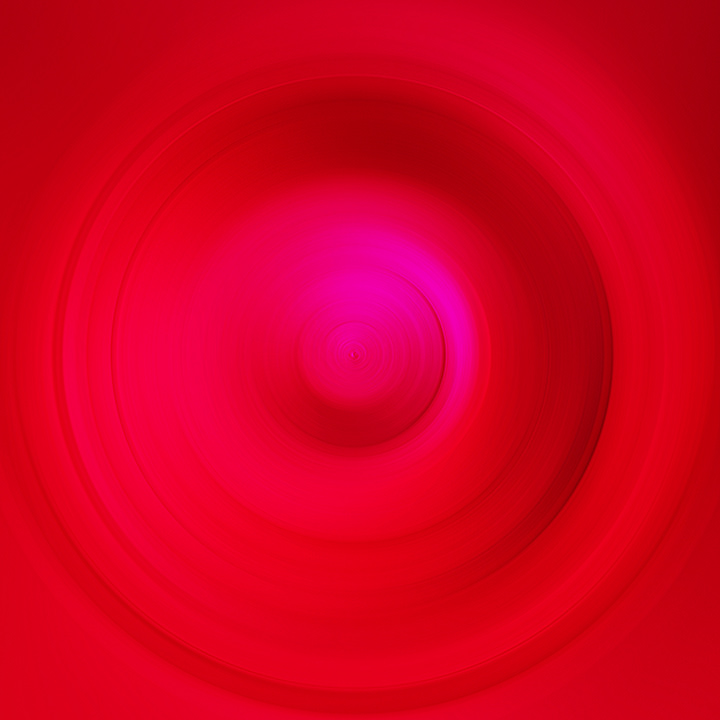
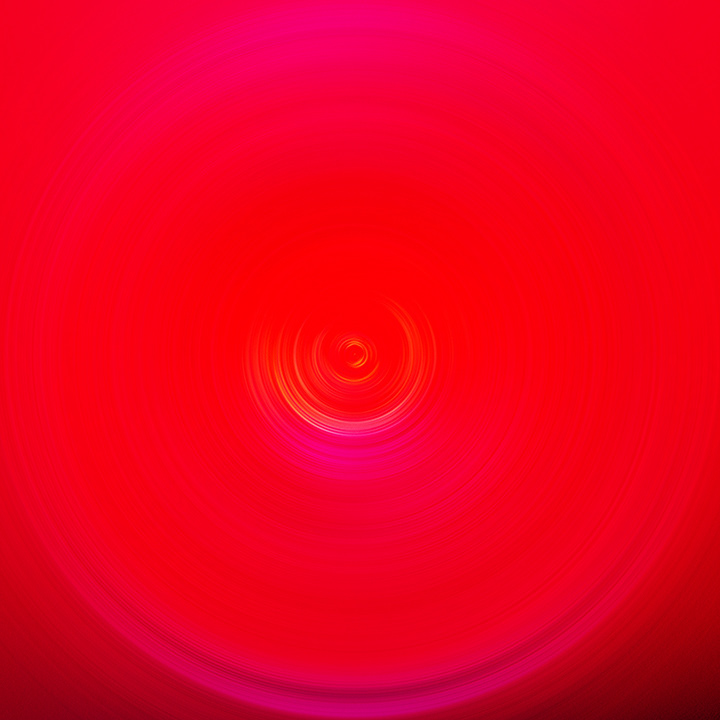
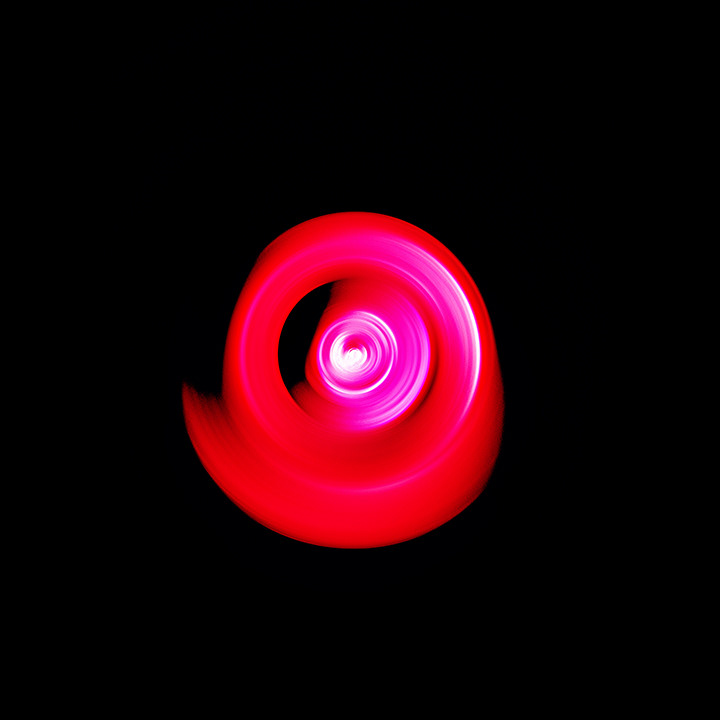
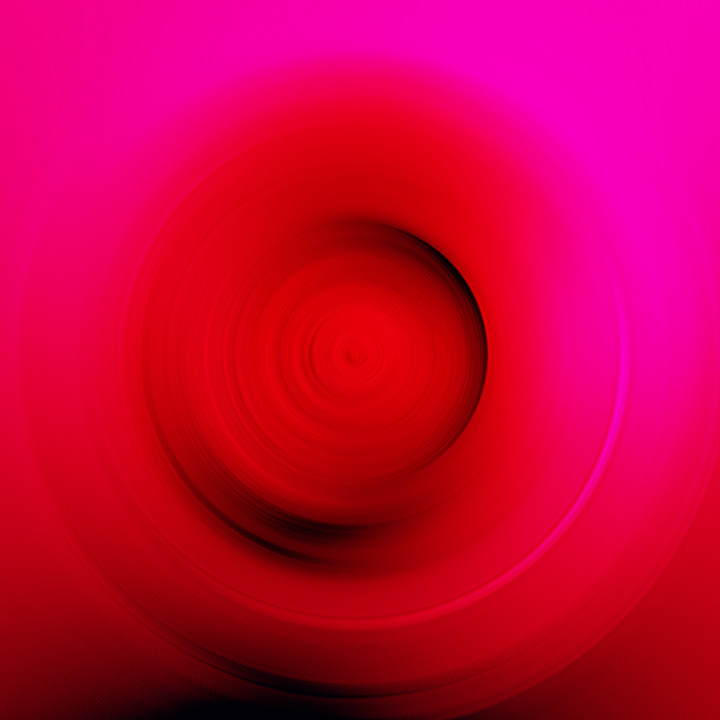
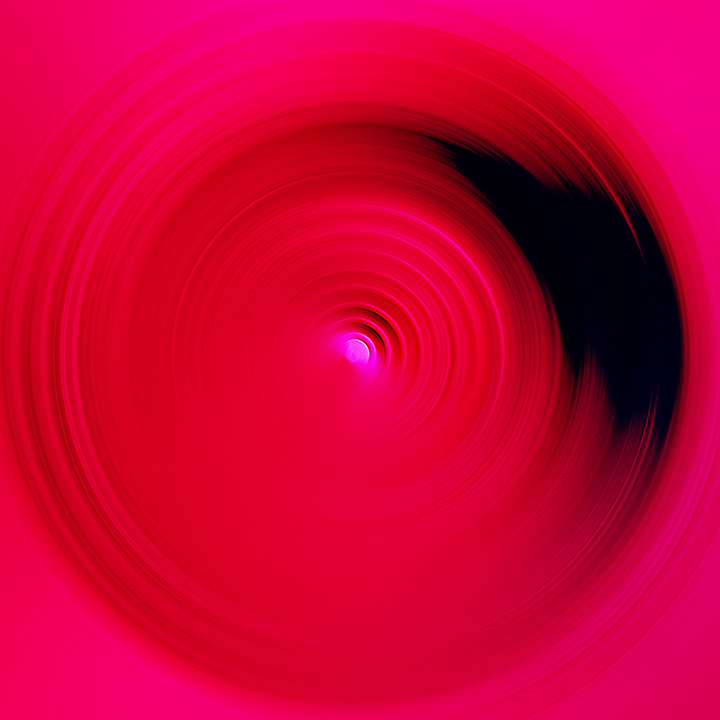
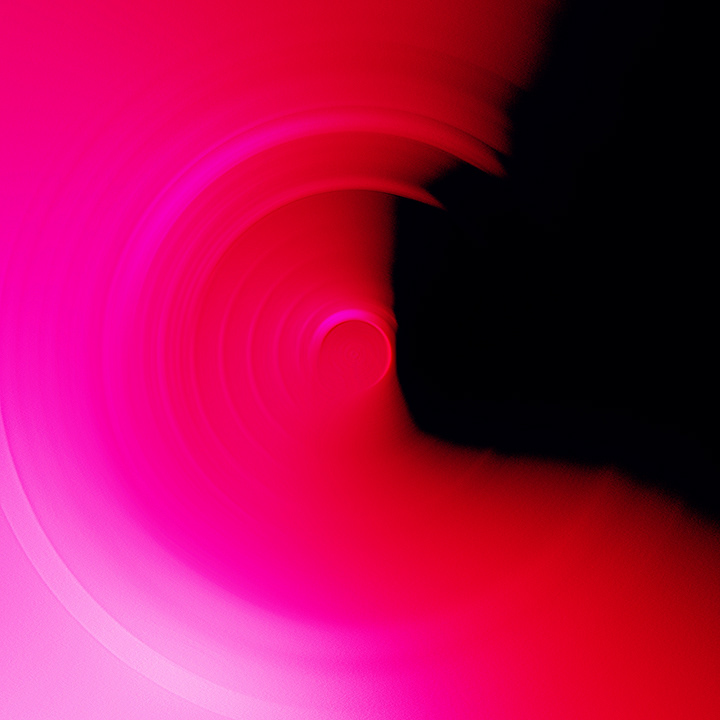
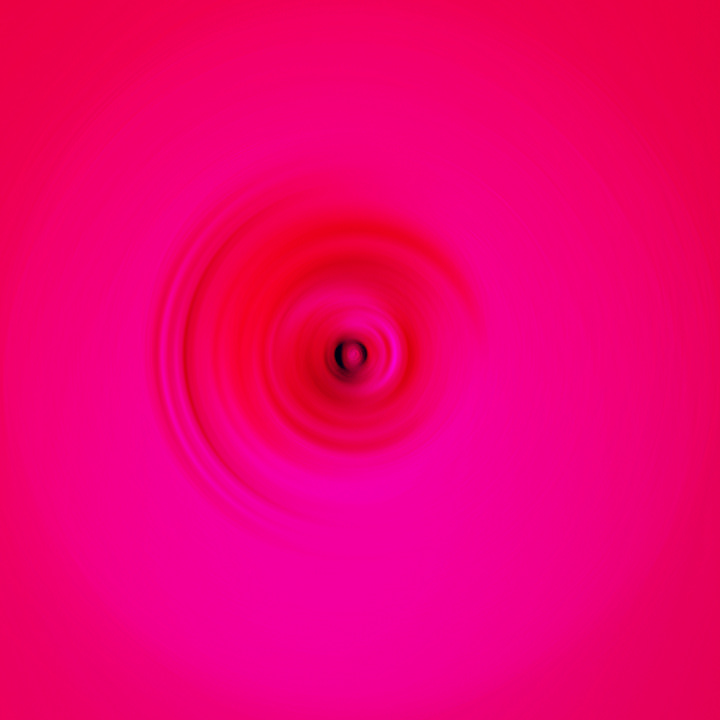
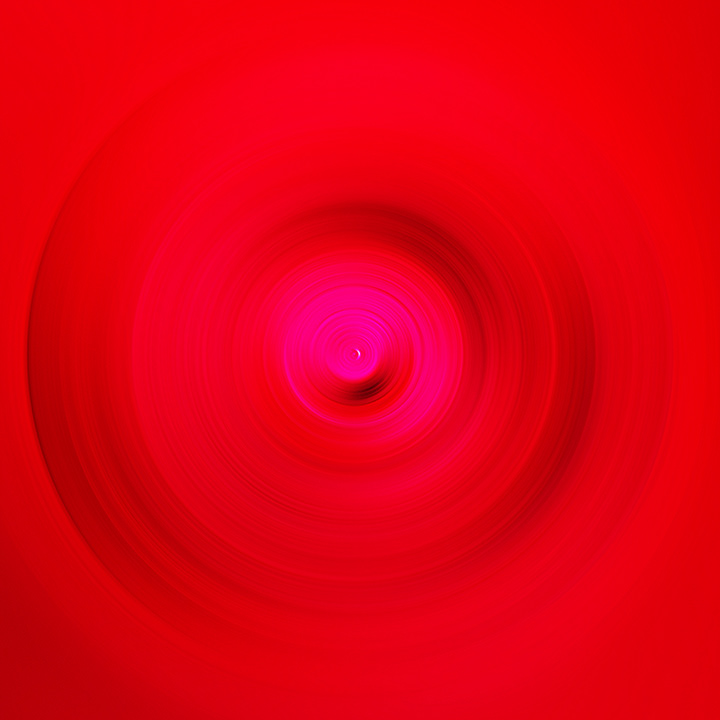
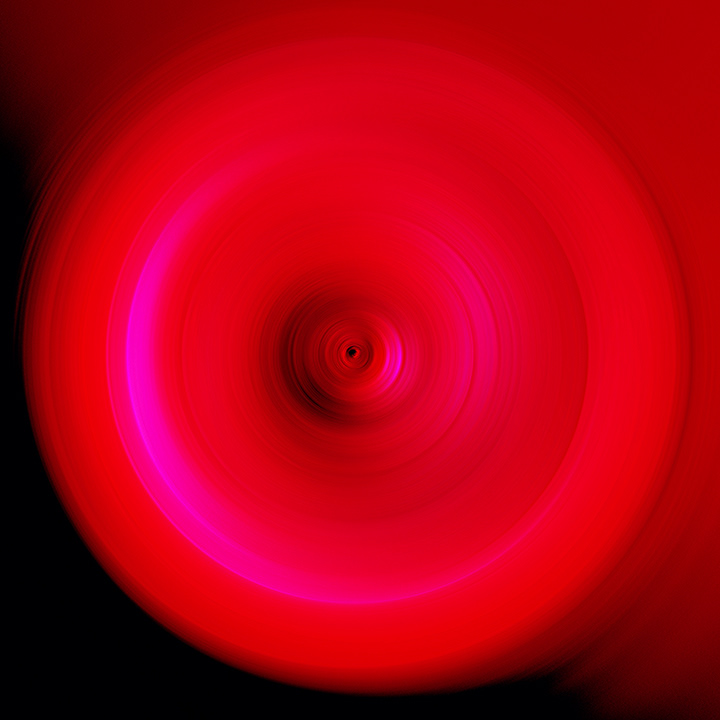
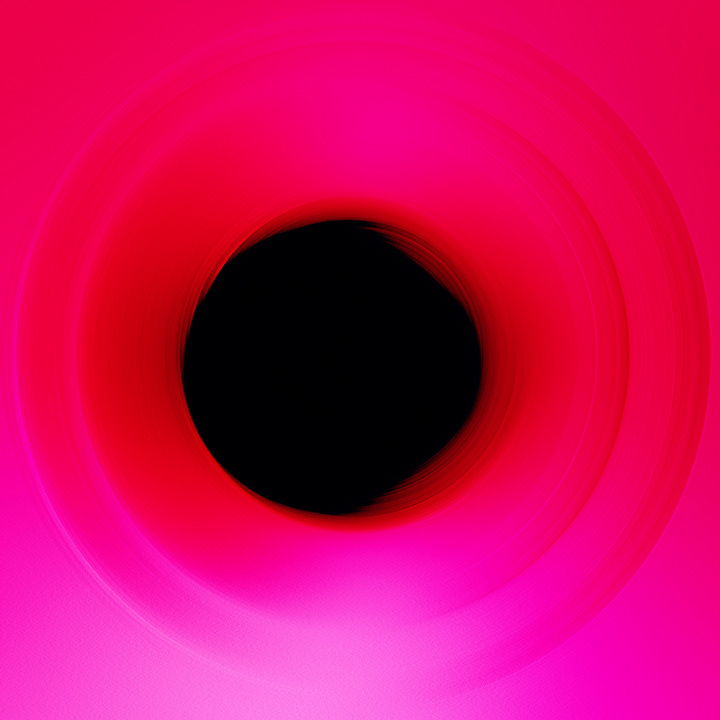
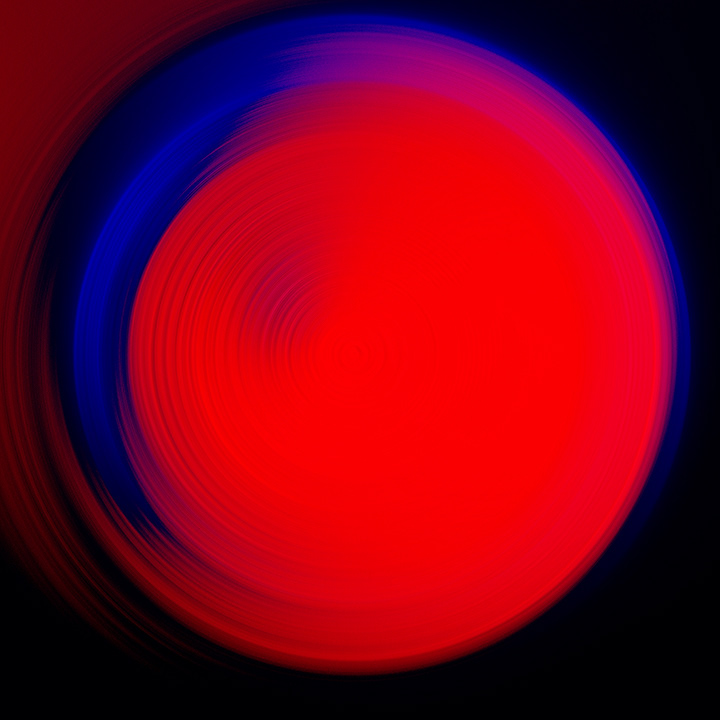
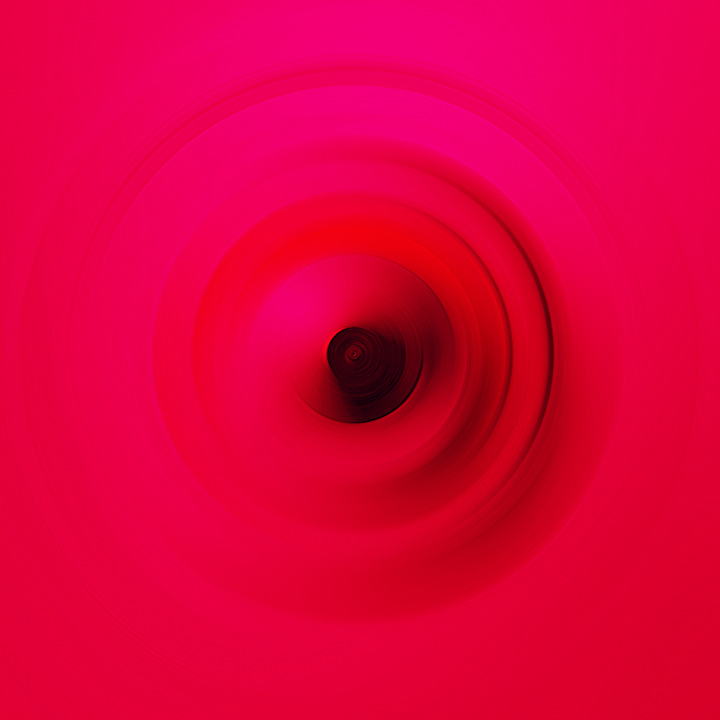
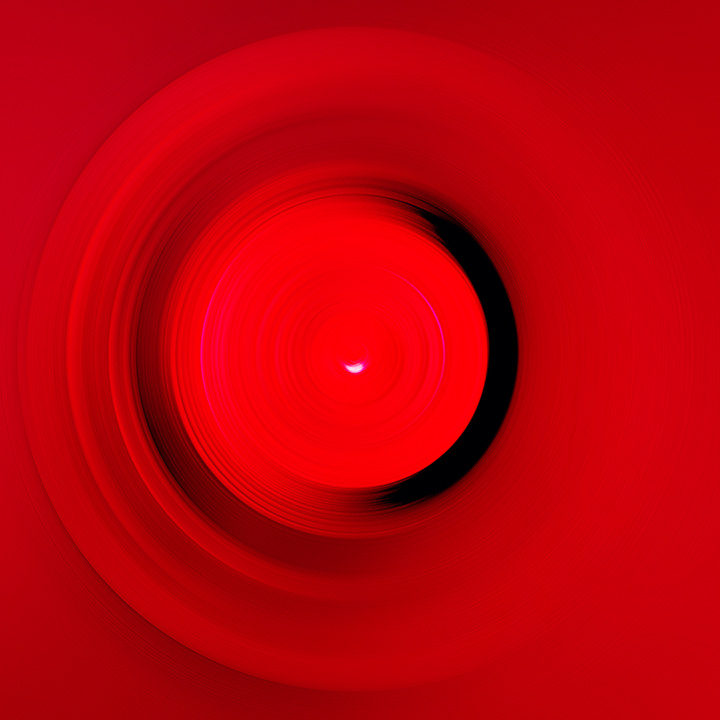
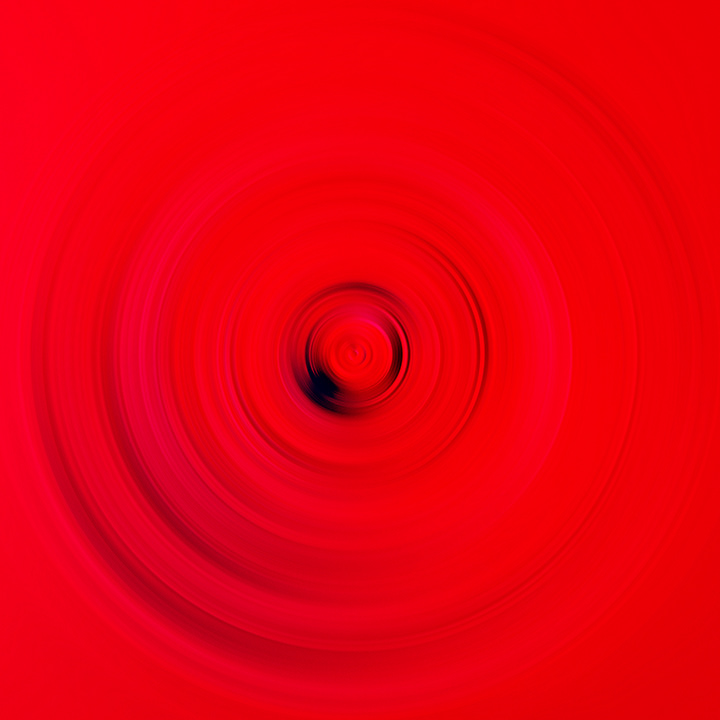
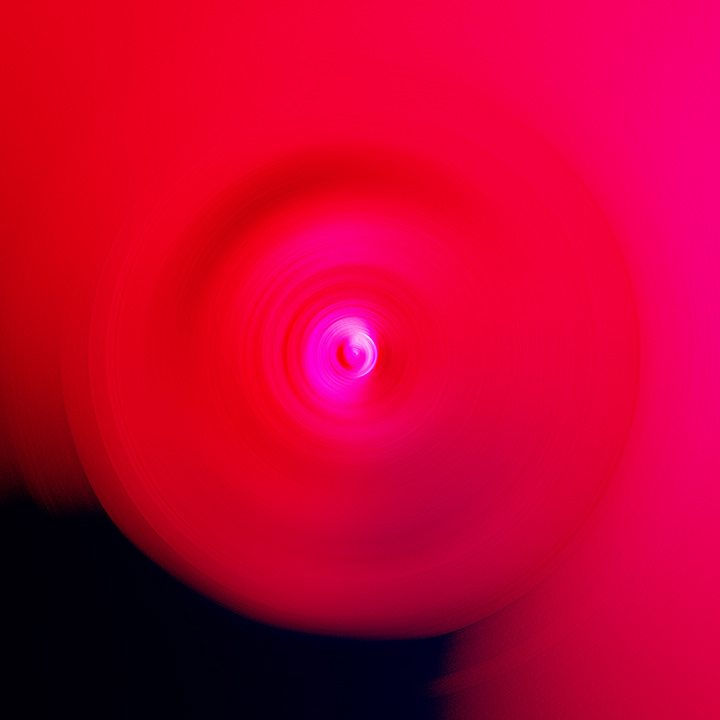
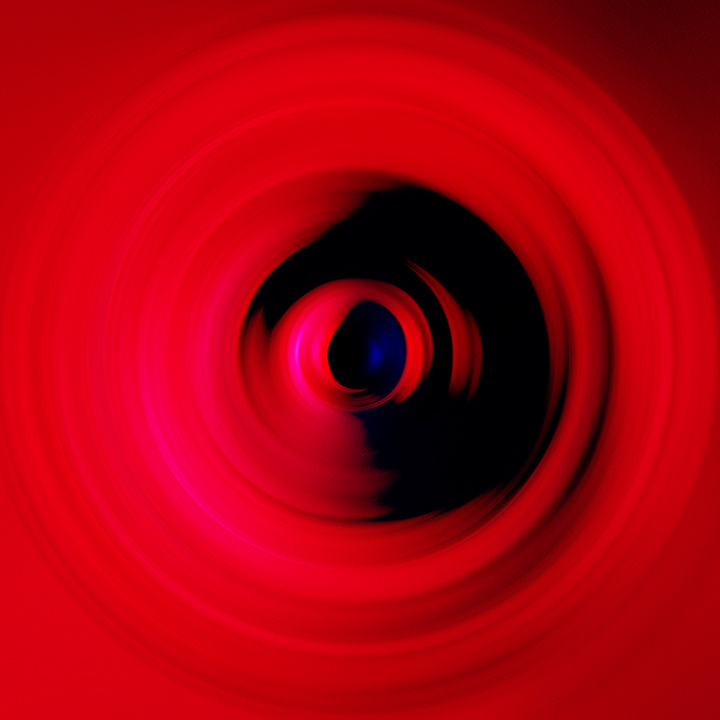
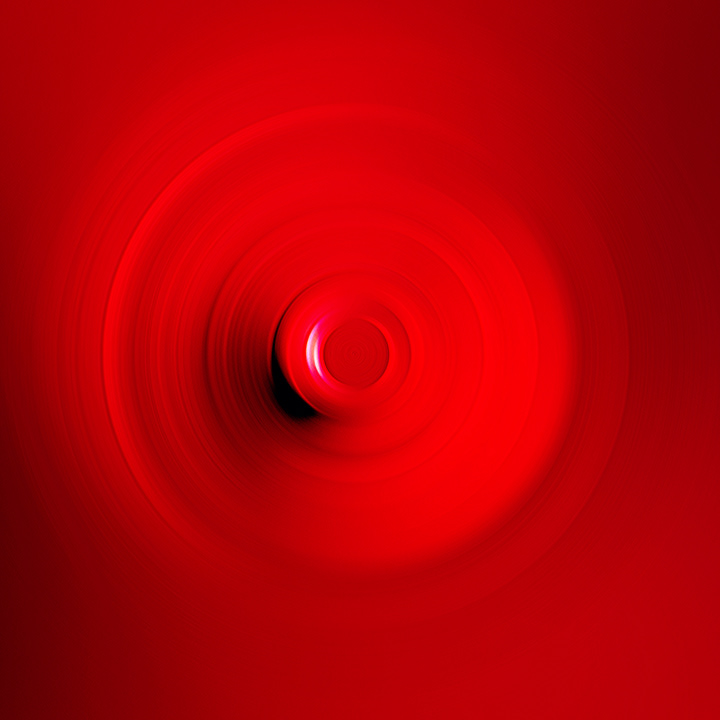
Super Nova, 2015
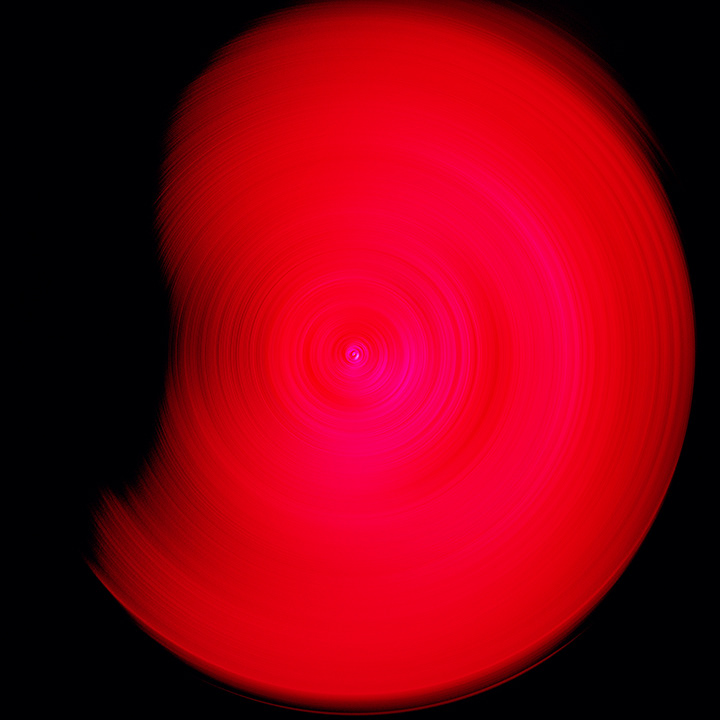
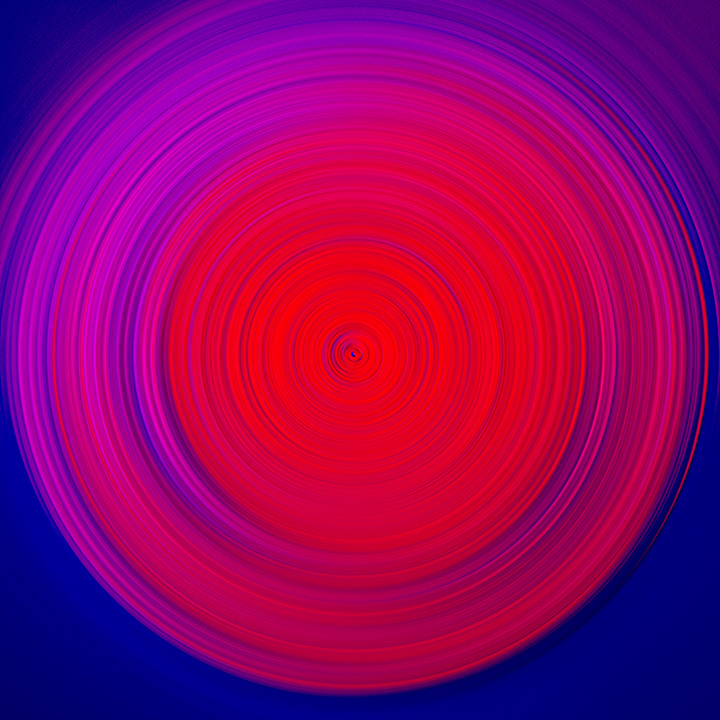
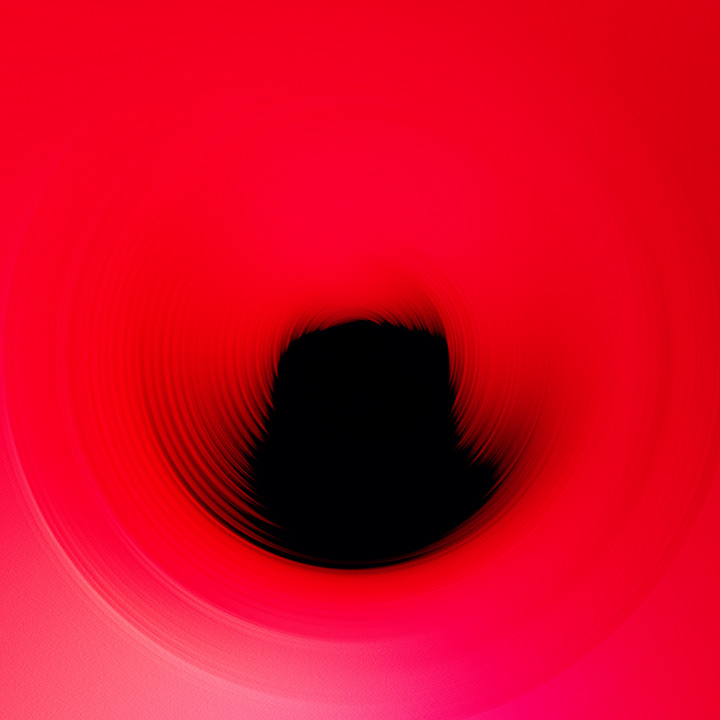
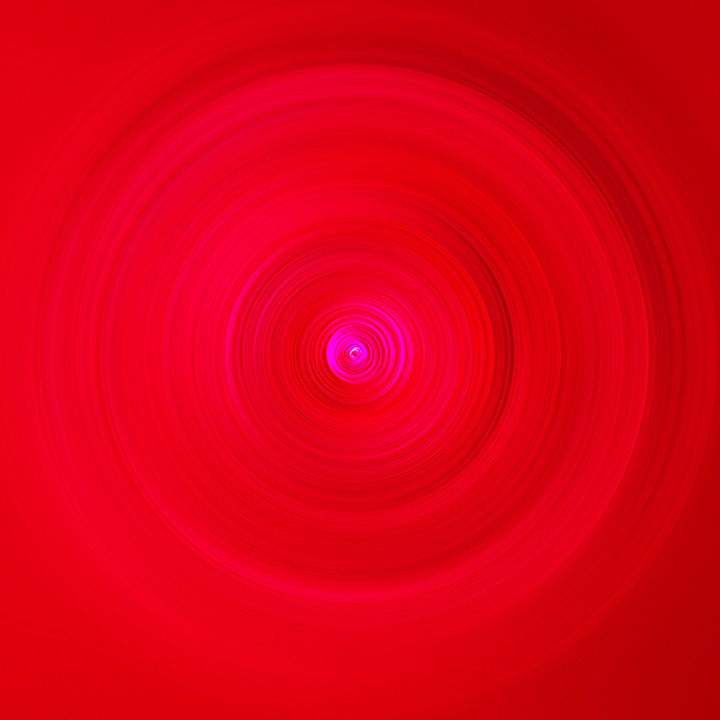
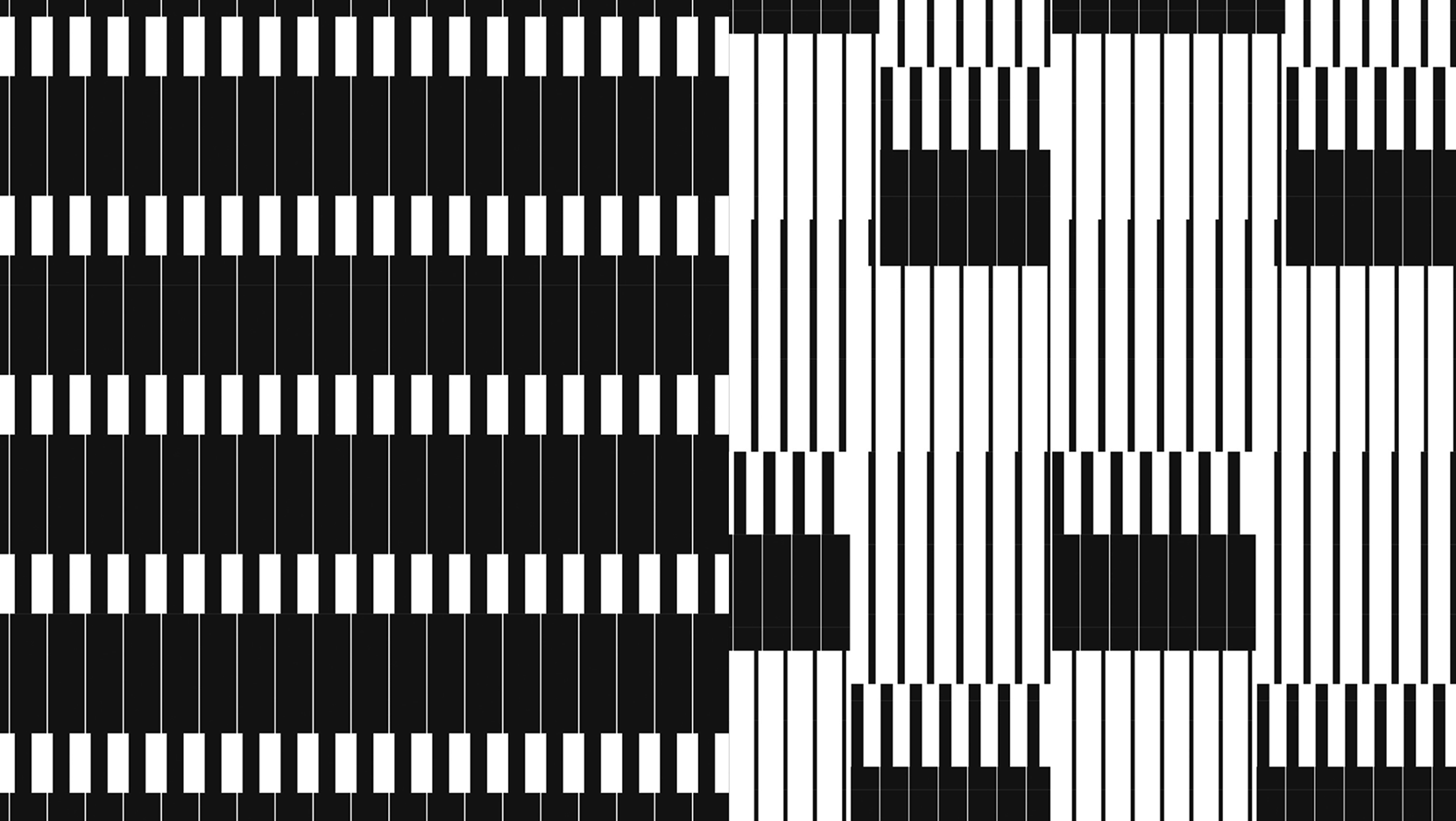
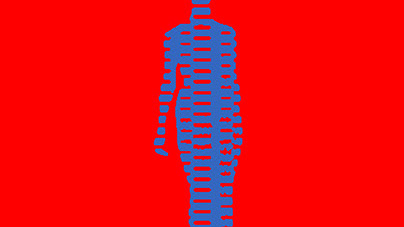
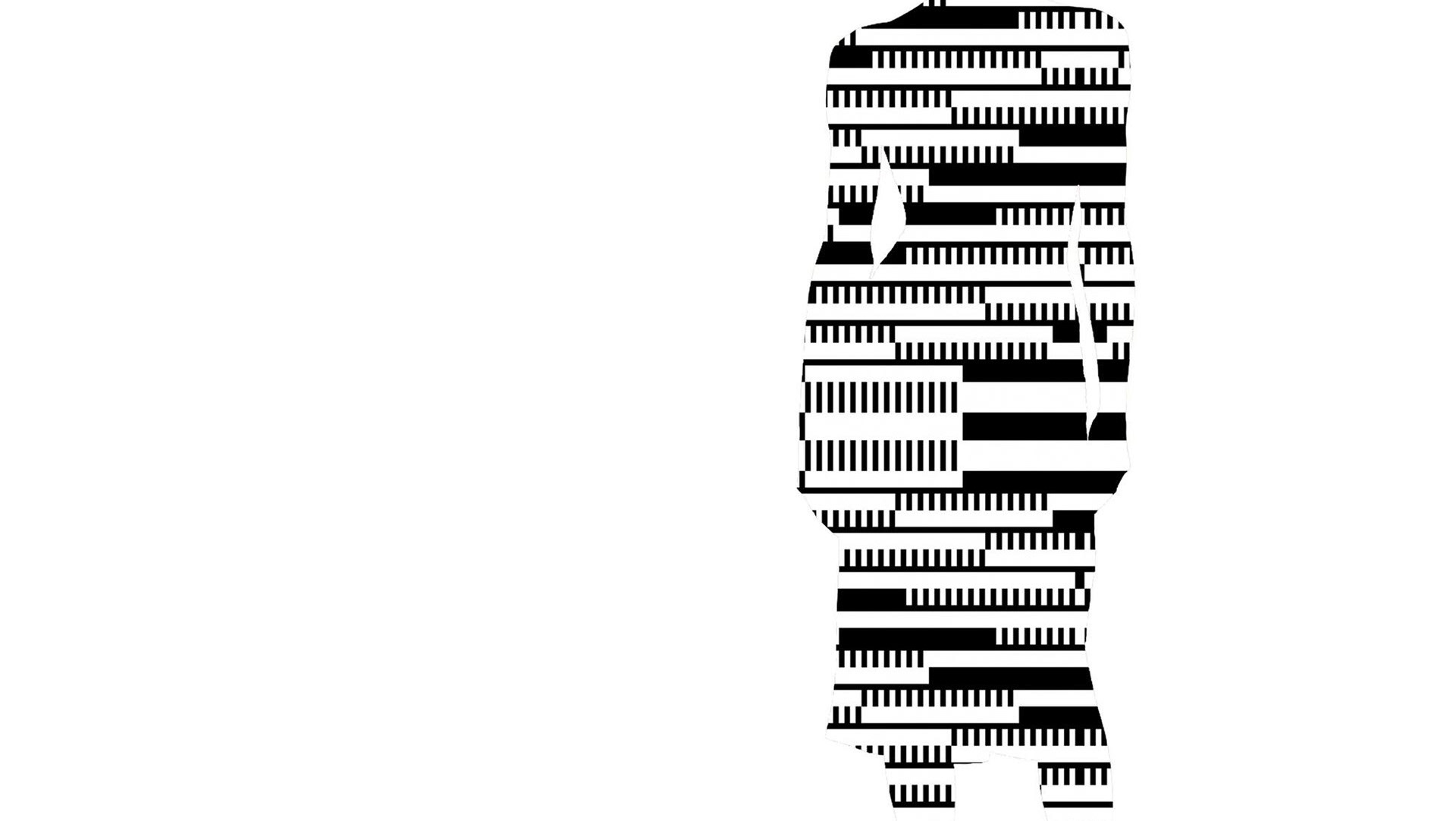
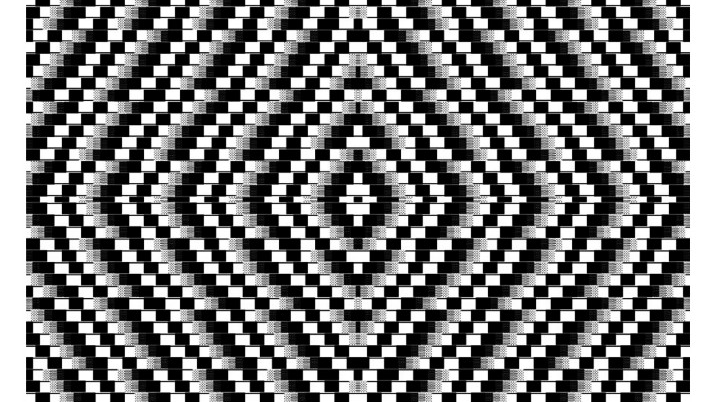
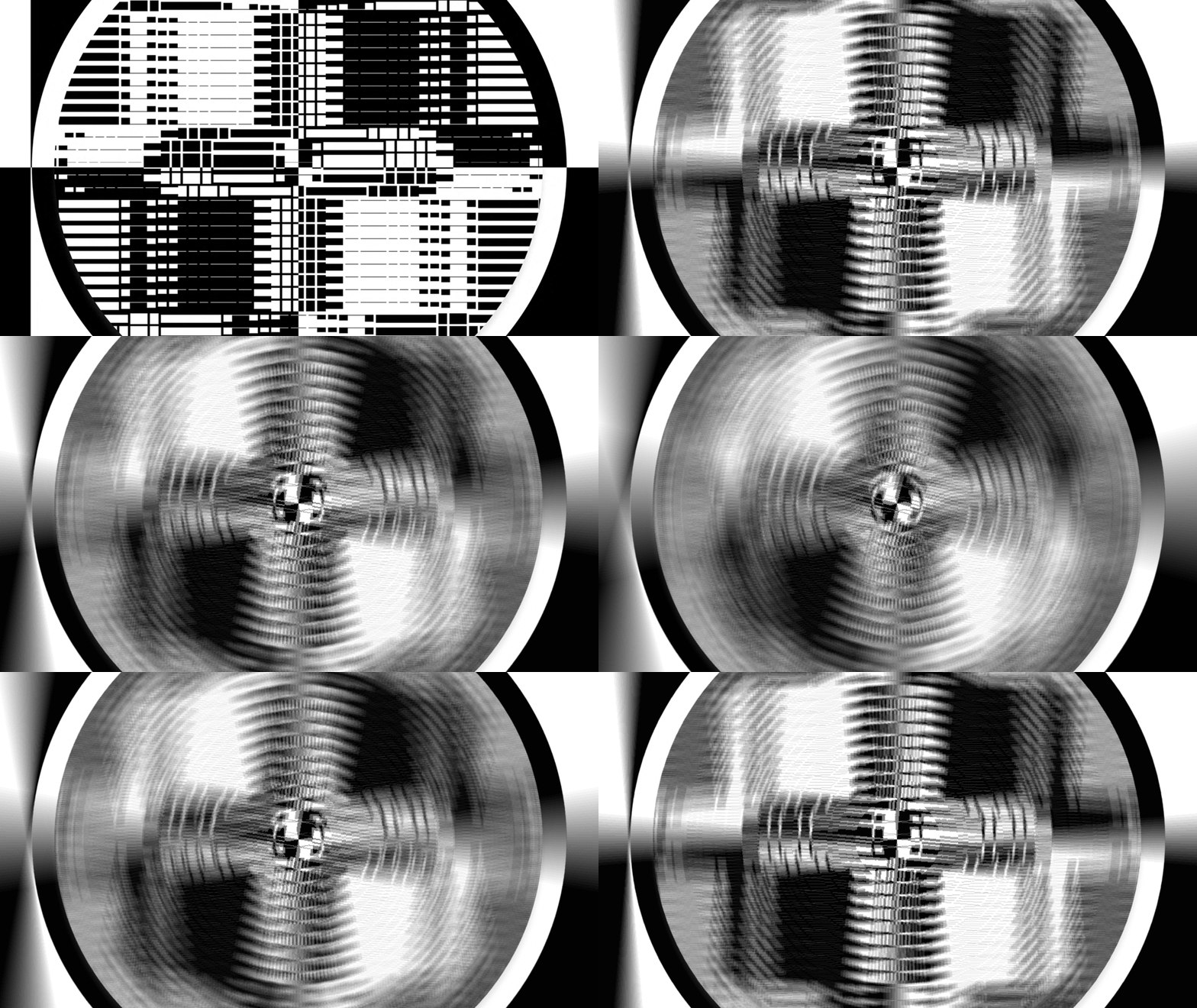
In 2015, I began exploring the reuse and recycling of existing digital images as raw material for abstract art. Rather than treating found imagery as finished content, I developed automated Photoshop Actions that systematically stripped source images of their original context through a carefully sequenced matrix of commands, transformations, and visual parameters.
Once established, the system could be applied repeatedly to a large archive of digital images. Every source image passed through the same automated sequence, yet the resulting compositions were never fully predictable. The structure, color, density, and residual information of each source image interacted with the programmed rules to produce distinct and often unexpected visual outcomes. Through this process, I generated more than 1,500 new abstract images.
This tension between automation and unpredictability is central to SuperNova. I designed the system and established its rules, but I did not manually compose each resulting image. Instead, I created a generative process in which repetition produces variation and the transformation of existing visual information becomes a mechanism for visual discovery.
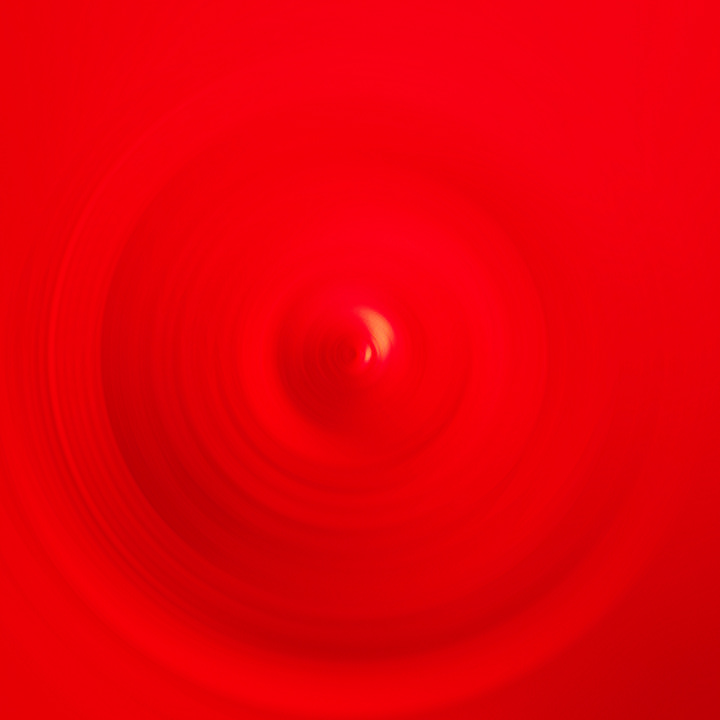
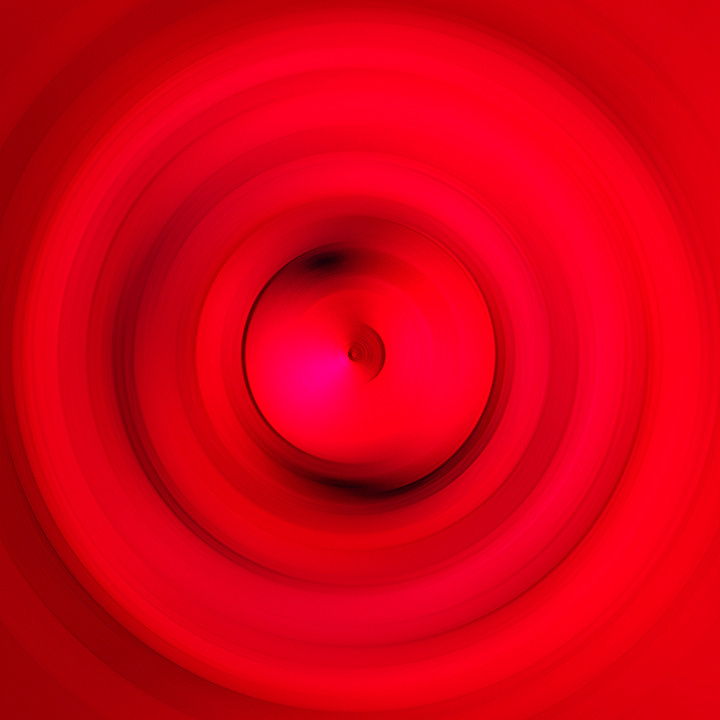
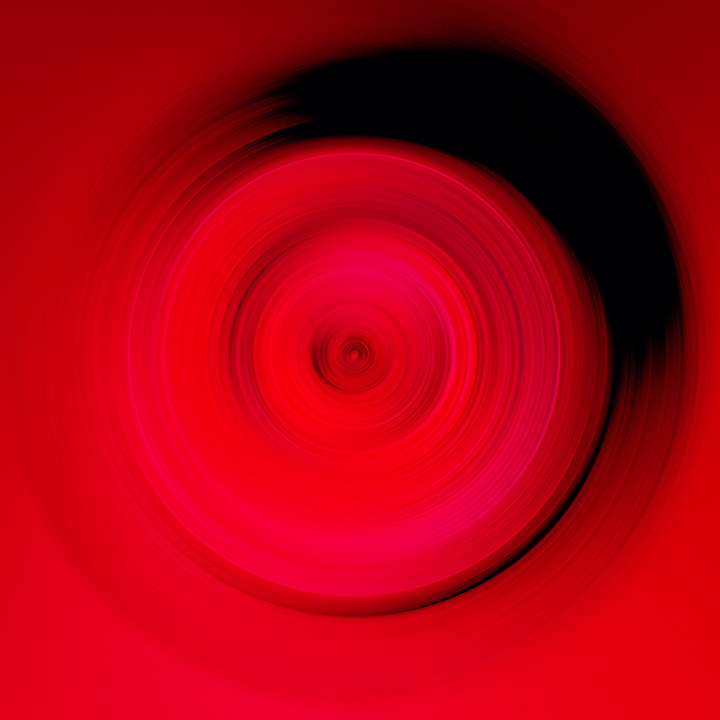
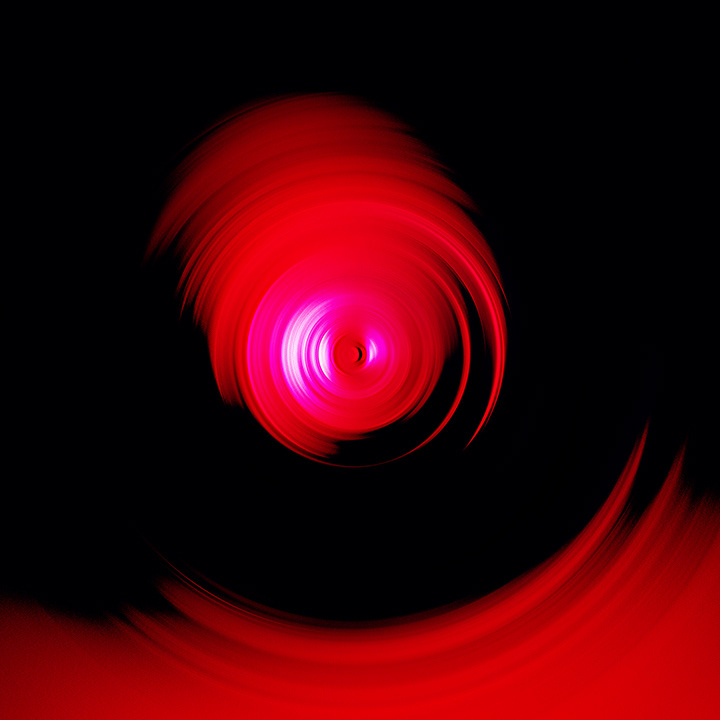
The title SuperNova extends this process into a cosmic metaphor. A supernova is simultaneously an event of catastrophic collapse and a mechanism for redistributing matter, releasing the elements from which new structures can emerge. Similarly, my automated design system forces existing digital imagery into a state of visual collapse, recycling its residual data into luminous abstract forms characterized by intense color, radiating light, spatial depth, and kinetic movement.
SuperNova therefore explores digital destruction as a generative act. Existing images become raw material within an automated system that transforms inherited visual data into new forms through the interplay of algorithmic repetition, controlled chaos, source-dependent variation, and unpredictable visual discovery.